
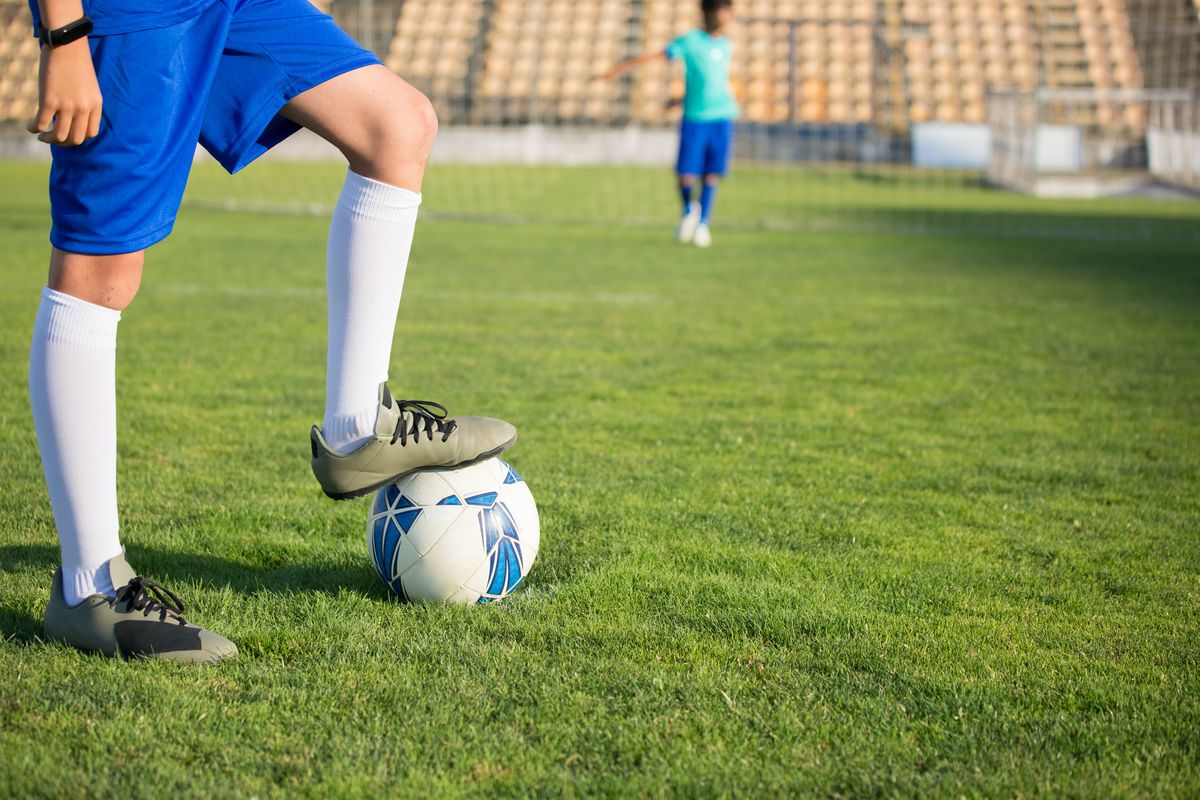
Choosing the right soccer cleats is essential for improving your game and correcting your posture. Whether playing on soft ground or artificial grass, the right footwear can make a significant difference in your performance. This article explores the key factors to consider when selecting soccer cleats for different playing surfaces and the impact they have on your posture and game.
Key Takeaways
- Selecting the right soccer cleats can significantly improve your game and posture on different playing surfaces.
- Consider your foot type, playing position, and the surface you’ll be playing on when choosing soccer cleats.
- Ankle support, stability, and traction are crucial factors to look for in soccer cleats for posture correction.
- Proper traction and support from the outsoles and studs of soccer cleats can enhance stability and control during gameplay.
- Comfort, fit, and material quality of soccer cleats play a vital role in ensuring a comfortable and supportive experience on the field.
High-Top vs Low-Profile: Ankle Support and Stability
Read more: Soccer Cleats Color Restoration: Reviving Your Shoe’s Look clean soccer cleats
After exploring the aesthetic rejuvenation of your soccer cleats, we turn our attention to the functional aspects that enhance balance and stability. The design of soccer cleats is crucial in maintaining not just the look but also the posture and performance on the field. The insole, stud configuration, and heel counter are key components that contribute to this stability.
While aesthetics are important, never underestimate the impact of well-designed cleats on your game.
Insole design, in particular, plays a significant role in postural stability. Custom orthotic insoles can be a game-changer, offering tailored support that aligns with your foot’s unique contours. Here’s a quick guide to the elements that affect your balance and stability in soccer cleats:
- Insole: Provides cushioning and support, can be customized for better posture correction.
- Stud Configuration: Determines the grip and traction on various playing surfaces.
- Heel Counter: Adds stability and helps in preventing ankle rolls.
Remember, the right soccer cleats do more than just protect your feet; they enhance your agility and control on the pitch. So, lace up with confidence, feel the grip of the studs beneath your feet, and change the game with every step.
What is the Difference Between High-Top and Low-Profile Soccer Cleats?
Read more: Soccer Cleats with Ankle Support: Stability in Every Step
We understand the importance of ankle support in soccer cleats, especially when it comes to preventing injuries and enhancing performance. High-top soccer cleats are often the go-to choice for those seeking extra stability around the ankle, acting similarly to an ankle brace. These cleats are designed to snugly fit and support the ankle, which is particularly beneficial for players who have experienced injuries in the past or those who wish to take preventive measures.
On the flip side, low-profile soccer cleats are favored for their lightweight feel and agility on the field. While they may not offer the same level of ankle support as high-tops, they provide greater freedom of movement, which can be crucial for certain playing styles.
- High-top cleats: Enhanced ankle support, reduced injury risk
- Low-profile cleats: Lightweight, increased agility
When selecting soccer cleats, it’s essential to consider both your playing style and the need for ankle support. The right balance can lead to improved performance and a reduced risk of injury.
Ultimately, the choice between high-top and low-profile soccer cleats comes down to personal preference and playing needs. Whether you prioritize support or speed, make sure your cleats align with your foot’s biomechanics and the demands of the game.
Studs, Heels, and Outsoles: Traction and Support
Read more: Soccer Cleats 2024: Anticipating the Next Wave of Innovation
As we look towards the future of soccer footwear, we’re excited about the innovations in cleat technology that are on the horizon. The best soccer cleats for 2024 are expected to feature advanced designs that not only enhance performance but also prioritize player health and comfort.
Advanced features in soccer cleats are not just about aesthetics; they’re about improving the player’s experience on the field. From posture correction to superior grip, the next generation of cleats is set to revolutionize the way we play.
Here are some key aspects to consider when choosing soccer cleats for different playing surfaces:
- Orthotic insoles for arch support and cushioning
- Stud configurations for optimal traction
- Waterproofing technologies to keep feet dry
- Blades for cutting-edge traction on the pitch
Remember, the right cleat can make all the difference in your game. Whether you’re playing on grass, turf, or indoor surfaces, make sure to select cleats that offer the best fit for your feet and the right features for the surface.
Conclusion
In conclusion, choosing the right soccer cleats is essential for improving your game and correcting your posture. Whether playing on soft ground or artificial grass, the right footwear can make a significant difference. It’s crucial to consider factors such as foot type, playing position, and the surface you’ll be playing on when selecting soccer cleats. Brands like Adidas, Nike, and Puma offer a variety of options to cater to different needs. Remember, comfort, traction, and support are key elements to look for in soccer cleats to enhance your performance and protect your posture. So, make an informed choice and enjoy the game with the best soccer footwear for your needs.
Frequently Asked Questions
How do you choose the right soccer cleats?
Choosing the right soccer cleats involves considering your foot type, playing position, and the surface you’ll be playing on. Adidas, Nike, and Puma manufacture soccer cleats for different foot types and playing circumstances.
What is the difference between high-top and low-profile soccer cleats?
High-top soccer cleats provide more ankle support and stability, while low-profile cleats offer a lighter weight and more freedom of movement. The choice depends on personal preference and playing style.
How does the choice of soccer cleats impact traction?
The traction of soccer cleats depends on the stud configuration and the type of outsole. Conical studs provide excellent traction on hard surfaces, while bladed studs are great for artificial grass. Proper traction helps maintain stability and control, impacting the player’s posture and performance.
What makes a soccer cleat comfortable?
A comfortable soccer cleat offers a snug fit, good cushioning, and proper ventilation. The upper material, whether leather or synthetic, should conform to the foot’s shape, while the midsole should provide adequate cushioning to absorb shock.
How do soccer cleats impact posture and game performance?
Soccer cleats play a crucial role in correcting posture and enhancing game performance. Choosing the right cleats with proper fit, traction, and support can improve overall comfort, stability, and biomechanics during play.
What are the key features to look for in soccer cleats for different playing surfaces?
When choosing soccer cleats for different playing surfaces, consider the stud configuration, outsole type, and material of the cleats. For example, conical studs are ideal for firm ground, while bladed studs are suitable for artificial grass. The right cleats can enhance traction, stability, and performance on various surfaces.