
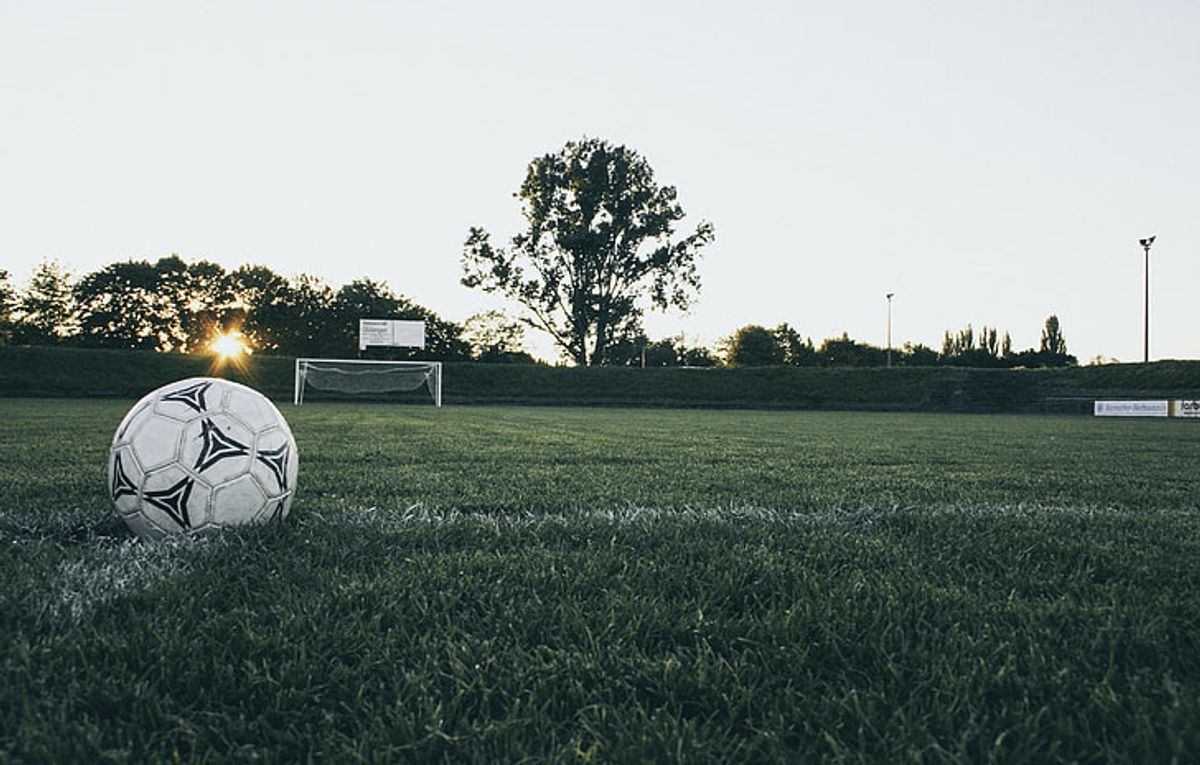
Soccer Rondo is a blog that educates users about the sport and the latest equipment. It includes tips and tricks, reviews, and explanations. In this article, we delve into the world of soccer balls, comparing the top choices for professional players, training sessions, innovative technology, and special edition collectors’ items.
Key Takeaways
- Performance features and durability are crucial for professional players.
- Training-specific design and quality materials are essential for effective training sessions.
- Innovative soccer balls with advanced technology offer smart ball features and enhanced aerodynamics.
- Special edition soccer balls for collectors often feature limited edition designs and authentic signatures.
- Consider the price range and value for money when choosing the right soccer ball for your needs.
Top Soccer Balls for Professional Players
Performance Features
When we evaluate the top soccer balls for professional players, we prioritize performance features that can make or break the game. These balls are designed with aerodynamics in mind, ensuring that each kick translates into precise trajectories and maximum speed.
- Enhanced grip for better control
- Optimal pressure retention for consistent play
- Thermal bonding for a seamless surface
The right soccer ball can significantly influence a player’s ability to control the ball and execute plays. It’s not just about the material or the brand; it’s the science behind the ball that gives it superior flight and touch characteristics.
While performance is paramount, we also consider the integration of new technologies that complement a player’s skill set. For instance, some balls feature micro-textures that aid in aerodynamic stability, allowing for more accurate shots and passes.
Durability and Longevity
When we consider the top soccer balls for professional play, durability and longevity are non-negotiable. These balls are designed to withstand the rigors of intense training sessions and competitive matches. A high-quality soccer ball should retain its shape and performance characteristics over time, even after repeated use.
Materials play a pivotal role in the lifespan of a soccer ball. The outer cover, stitching, bladder, and valve are critical components that determine how well the ball will age. We’ve observed that balls with polyurethane covers and strong internal bladders, such as latex or butyl, tend to last longer.
It’s essential to balance performance with durability. A ball that can maintain a consistent flight and touch over months of play is a worthy investment for any professional player.
Here’s a quick rundown of the factors that contribute to a soccer ball’s longevity:
- Quality of materials used in construction
- Type of stitching and seam reinforcement
- Resistance to abrasion and weather conditions
- Frequency and type of usage
By prioritizing these aspects, players and teams can ensure they’re selecting a ball that will serve them well throughout the season and beyond.
Price Range
When we consider the price range for top-tier soccer balls, we’re looking at a spectrum that reflects both quality and brand prestige. Professional-grade balls often command a higher price, but they also promise superior performance and longevity. It’s not just about the cost; it’s an investment in a ball that will stand up to the rigors of intense play.
Here’s a quick breakdown of what you can expect to pay for professional soccer balls:
- TRAINING (High quality): Around $20.00 – $35.00
- Match Balls: $40.00 – $160.00
- Premium Match Balls (FIFA Approved): $100.00 – $165.00
It’s crucial to balance cost with need. While some may opt for the top-of-the-line models, others might find that mid-range balls offer the best compromise between quality and expense.
Remember, the best value comes from considering how the ball will be used. A high-end match ball might be overkill for casual play, but indispensable for competitive matches. The SUMMIT Advance X, for instance, is noted for being a superb training ball that rivals many match balls in quality.
Best Soccer Balls for Training Sessions
Training Specific Design
We understand that training sessions require a different kind of soccer ball, one that can withstand repetitive drills and provide consistent performance. Training-specific soccer balls are designed with a unique blend of durability and playability to aid in skill development. For instance, some balls feature a textured surface for better grip and control during practice.
Training balls often come in various sizes to cater to different age groups and skill levels. Here’s a quick rundown of the most common sizes:
- Size 3: Under 8 years old
- Size 4: Ages 8-12
- Size 5: Ages 12 and up
It’s crucial to choose the right size for effective skill progression. A ball that’s too large or too small can hinder a player’s ability to develop proper technique.
When selecting a ball for training, it’s also important to consider the type of surface you’ll be playing on. Indoor balls differ from outdoor balls in material and design, ensuring the best possible experience in each environment.
Quality Materials
We understand that the materials used in soccer balls are crucial for both performance and durability. High-quality materials ensure that the ball not only feels right but also withstands the rigors of intense training sessions. For instance, the outer cover of a training ball is typically made from polyurethane or PVC, materials known for their resilience.
Thermally bonded panels are a significant advancement in soccer ball construction, reducing water uptake and maintaining the ball’s shape. This technology is especially beneficial during the wet and cold months, as highlighted by the adidas Unisex-Adult Tiro Pro Winter Ball, which is recognized for its all-weather capabilities.
The choice of bladder—latex or butyl—also affects the ball’s feel and air retention. Latex bladders offer a softer touch, whereas butyl bladders are praised for their ability to hold air for extended periods.
To give you a clearer picture, here’s a comparison of common materials used in training soccer balls:
| Material | Benefits | Typical Use |
|---|---|---|
| Polyurethane (PU) | Durable, soft touch | Professional training |
| Polyvinyl Chloride (PVC) | Water-resistant, affordable | Amateur training |
| Rubber | High durability, economical | Recreational play |
Choosing the right materials can significantly impact your training efficiency and the longevity of your soccer ball.
Value for Money
When we consider the value for money of training soccer balls, we’re looking at the intersection of quality, durability, and cost. Not all affordable balls are created equal, and it’s crucial to find a balance that doesn’t sacrifice performance for price.
- Youth: Affordable, durable, and size-appropriate.
- Amateur: Good touch, decent durability, cost-effective.
- Semi-Pro: Higher quality, consistent performance, reasonable price.
- Professional: Top-tier quality, may be pricier but worth the investment for serious training.
It’s essential to remember that the best value comes from a ball that can withstand the rigors of regular practice while providing the feel of a match ball.
Our age tier list is a testament to the fact that players at different stages of their development have varying needs. A ball that’s perfect for a youth player might not be the best choice for an adult. By considering the age and skill level of the player, you can make a more informed decision that ensures you’re getting the best bang for your buck.
Innovative Soccer Balls with Advanced Technology
Smart Ball Technology
We’ve entered an era where soccer is not just a game, but a symphony of data and analytics. Smart ball technology is revolutionizing the way we understand and interact with the sport. These balls are equipped with sensors that provide real-time data on their movement, spin, and impact.
- Sensors track the ball’s position to within a few centimeters, enhancing the accuracy of offside calls.
- Data collected includes speed, trajectory, and force of impact, which can be used for player training and game analysis.
- The technology also allows for better viewer engagement, with instant statistics available for broadcasts.
The integration of smart ball technology into professional leagues is not just an advancement; it’s a transformation that’s reshaping the game.
The recent announcement of a high-tech soccer ball for Euro 2024 highlights the growing trend. This ball promises more accurate offside decisions, a testament to the technology’s impact on the game. As we look forward to its debut in Germany, we anticipate a new level of precision in soccer.
Enhanced Aerodynamics
We’ve witnessed a significant evolution in the design of soccer balls, particularly with the introduction of enhanced aerodynamics. The latest models boast features that reduce air resistance and improve flight stability, which is crucial during high-stakes matches.
The seamless exterior and textured surfaces of these balls are engineered to grip the air just enough to maintain a predictable trajectory. This is not just about the ball traveling faster; it’s about precision and the ability for players to place the ball exactly where they want it.
- Improved panel shapes
- Micro-textured coverings
- Wind tunnel tested designs
The attention to aerodynamic detail is evident in every aspect of these soccer balls, from the materials used to the very stitching that holds them together. This meticulous craftsmanship ensures that players can rely on the ball to perform consistently, game after game.
Impact Resistance
We’ve all witnessed the frustration of a soccer ball that can’t withstand the rigors of intense play. Impact resistance is a critical factor that determines the lifespan and performance of a soccer ball. Manufacturers are now integrating advanced materials and design techniques to enhance this aspect.
Durability is not just about withstanding hits but also about maintaining shape and air retention over time. Here’s a snapshot of the improvements we’ve seen in the latest soccer balls:
- Use of reinforced bladder materials for better air retention
- Implementation of robust outer layers to resist abrasion and cuts
- Introduction of cushioned panels to absorb impacts
The focus on impact resistance ensures that players can rely on a consistent experience with every strike, pass, and save.
In our ongoing Soccer Ball Research and Development in 2023-24, we’ve noted a significant trend towards sustainability. The industry’s pivot to eco-friendly practices is commendable, with innovations in using recycled materials playing a pivotal role.
Special Edition Soccer Balls for Collectors
Limited Edition Designs
We take pride in showcasing Limited Edition soccer balls that are not just sports equipment but also pieces of art. These balls often commemorate significant events or collaborations with famous designers and brands.
The Limited Edition AO Impact Soccer Ball by Hayworth Athletic is a prime example of such craftsmanship. Each ball is 100% handmade, ensuring that from the first stitch to the last, quality is woven into its very fabric. This particular model celebrates the partnership between Hayworth Athletic and The American Outlaws, embodying a classic thirty-two panel design that harks back to the golden era of soccer.
Collectors and enthusiasts alike will appreciate the attention to detail and the exclusivity that these balls offer. With limited production runs, owning one becomes a statement of passion for the beautiful game.
Here’s a glimpse of what makes these balls so special:
- Commemorative designs
- Partnership with iconic brands
- Handcrafted quality
- Limited availability
Authentic Signatures
We understand the thrill of collecting soccer balls that bear the signatures of the sport’s legends. These balls often come with digitally printed autographs from the world’s most renowned players. For instance, the Liverpool FC Signature Soccer Ball is a prime example of a collector’s item that features authentic player signatures.
- Official licensed products like these not only serve as a testament to a fan’s devotion but also as a piece of history.
- The signatures are typically printed using advanced techniques to prevent fading over time, ensuring that your collectible remains in pristine condition.
The value of these signed soccer balls can appreciate over time, making them not only a treasured possession but also a potential investment.
It’s important to note that while some balls are signed during public signing events, others are produced with pre-printed signatures. Always verify the authenticity of the signatures before making a purchase to avoid counterfeit items.
Collectible Packaging
We understand that for collectors, the packaging of a soccer ball is almost as important as the ball itself. The right packaging not only protects your treasure but also enhances its display quality and overall value. Collectors seek out designs that are both protective and aesthetically pleasing, often featuring logos, team colors, or special artwork.
For instance, consider the b21design Full Size Soccer Ball Football Display Case Stand Box. This product exemplifies the kind of high-quality packaging that collectors desire. It’s not just a box; it’s a showcase that turns a soccer ball into a centerpiece. Below is a list of features that make this type of packaging a must-have for serious collectors:
- Artificial turf grass base for a realistic display
- Clear acrylic for unobstructed viewing
- A riser to elevate the ball, highlighting its significance
The value of a collectible soccer ball is greatly influenced by its packaging. A well-designed case can turn an ordinary ball into a coveted piece of sports memorabilia.
Remember, when you’re adding a new ball to your collection, the packaging is a crucial element that should never be overlooked. It’s the final touch that completes the collector’s experience.
Conclusion
In conclusion, this article has provided a comprehensive comparison of the top soccer balls of the year. Through expert reviews and analysis, readers have gained valuable insights into the features, performance, and quality of these soccer balls. As soccer enthusiasts seek the best equipment for their game, the information presented here from Soccer Rondo’s expertise will guide them in making informed decisions. Stay informed with Soccer Rondo for more tips, tricks, and reviews on the latest soccer equipment.
Frequently Asked Questions
What makes a soccer ball suitable for professional players?
Professional soccer balls are designed with high-quality materials, advanced technology, and precise construction to enhance performance on the field.
How can I ensure the durability and longevity of a soccer ball?
To maintain the durability and longevity of a soccer ball, it is important to use it on appropriate surfaces, keep it clean and properly inflated, and store it in a cool, dry place when not in use.
What is the typical price range for soccer balls used by professional players?
Soccer balls for professional players can range from mid-tier to high-end prices, depending on the quality of materials, technology, and brand reputation.
What features should I look for in a soccer ball designed for training sessions?
Training-specific soccer balls should have durable construction, consistent performance, and suitable weight and size for practicing various skills and drills.
How do innovative soccer balls with advanced technology enhance gameplay?
Soccer balls with smart ball technology can provide data on performance metrics, enhanced aerodynamics improve accuracy and flight, and impact resistance increases durability during intense play.
What makes special edition soccer balls appealing to collectors?
Special edition soccer balls often feature limited edition designs, authentic player signatures, and collectible packaging, making them valuable and sought after by collectors.