
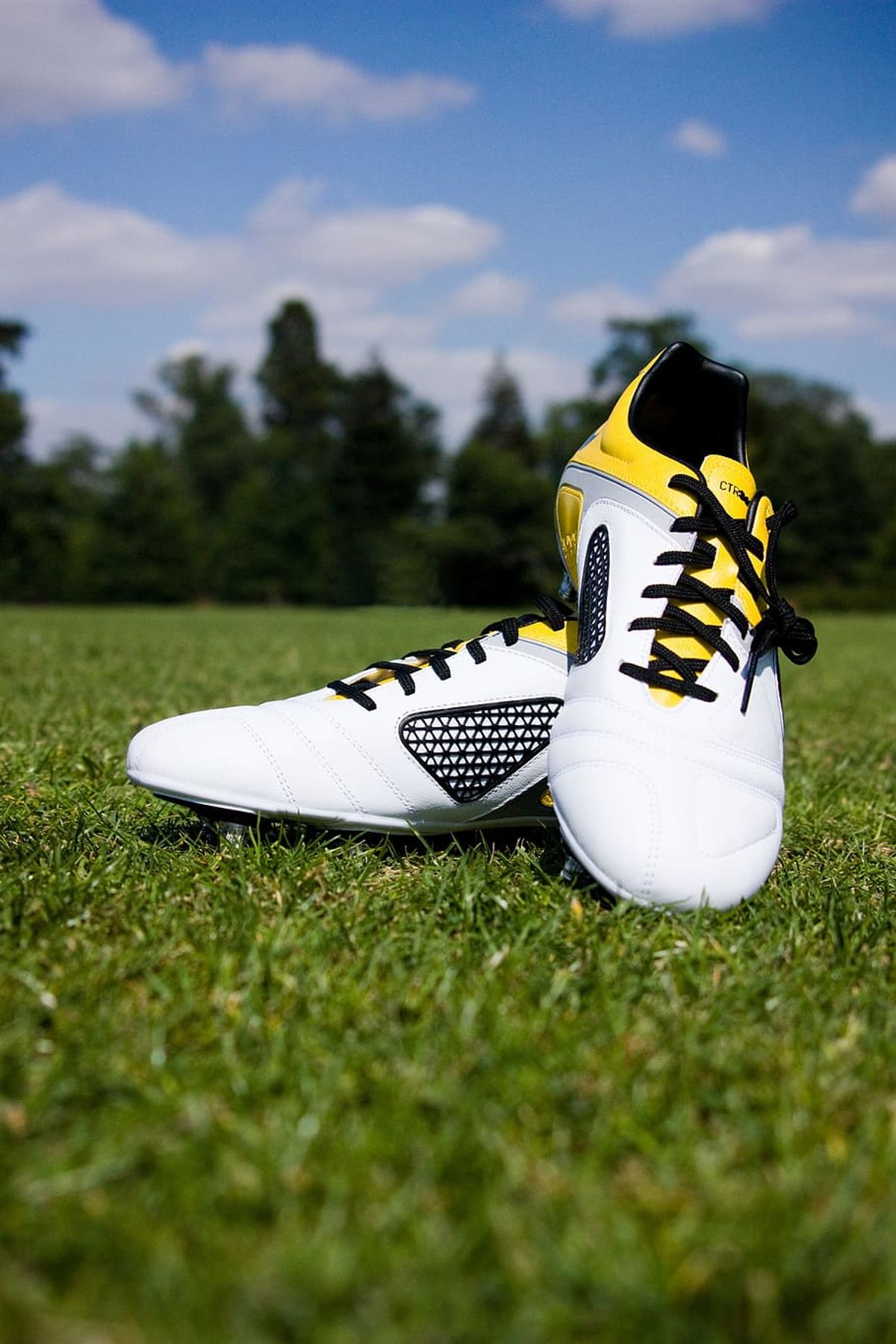
Soccer cleats are essential gear for any soccer player, and choosing the right pair can significantly impact your performance on the field. In this comprehensive guide, we will explore key factors to consider when selecting soccer cleats, the different types of cleats for various playing surfaces, how to properly size and fit your cleats, and tips for caring for and maintaining them. Whether you’re a beginner or a seasoned player, understanding these aspects will help you make an informed decision when investing in your soccer footwear.
Key Takeaways
- Choose soccer cleats made of high-quality materials for durability and performance.
- Ensure a proper fit by trying different sizes and styles to find the most comfortable option.
- Select the appropriate style of cleats based on the playing surface to optimize traction and stability.
- Properly size your soccer cleats by measuring your feet and prioritizing comfort over tightness.
- Maintain your soccer cleats by cleaning them after each use, storing them properly, and replacing them when they are worn out.
Key Factors to Consider When Choosing Soccer Cleats
Material
When we’re on the hunt for new soccer cleats, we always start with the material, as it’s crucial for both performance and comfort. There are primarily two types of materials to choose from: leather and synthetic. Leather cleats are often favored for their ability to provide a supple feel and enhance ball control. However, synthetic materials have made significant strides, offering lightweight alternatives that are also durable and supportive.
- Leather Cleats: Offer a natural feel and mold to the foot over time.
- Synthetic Cleats: Provide consistent shape and are often weather-resistant.
It’s essential to weigh the pros and cons of each material against our personal playing style and preferences. While leather might offer that perfect touch, synthetic options can excel in adverse weather conditions, maintaining their shape and performance.
Ultimately, the choice between leather and synthetic materials should align with our individual needs on the pitch. Whether we prioritize touch, durability, or weather resistance, the right material can make all the difference in our game.
Fit
When we’re on the hunt for new soccer cleats, fit is paramount. It’s not just about the size; it’s about how the cleat conforms to the unique shape of our feet. A proper fit can mean the difference between a good game and a great one. We must ensure that the cleats are snug but not too tight, allowing for optimal control and comfort.
Comfort is key, and it’s often a good idea to try on different brands as they all have their unique fit. Here’s a quick checklist to keep in mind:
- Ensure there’s a thumb’s width of space between your toes and the cleat’s front.
- Check that there’s no excessive movement at the heel.
- Confirm that the width of the cleat matches the width of your foot, avoiding any unnecessary pressure points.
Remember, the right fit will enhance your performance and reduce the risk of injury. It’s worth taking the time to find the perfect pair.
Lastly, consider the material of the cleat as it can affect the fit over time. Materials like leather tend to stretch, while synthetic materials usually maintain their shape. Referencing our guide on soccer cleats guides, we know that each material offers a different experience, and selecting the right one is crucial for achieving the best fit.
Style
When we talk about the style of soccer cleats, we’re not just referring to their aesthetic appeal. Style can significantly influence your confidence and performance on the pitch. It’s about finding a design that resonates with your personal taste and the image you want to project as a player.
- Classic: Timeless designs that focus on functionality over flashy looks.
- Modern: Bold colors and innovative designs that stand out on the field.
- Signature: Player-endorsed models that reflect the style of soccer icons.
Remember, while style is subjective, it should never compromise the quality and functionality of the cleats. Opting for a pair that’s been recognized, such as the ‘Best Overall Soccer Cleats’ by a reputable source, can be a testament to their excellence in both performance and design.
Different Types of Soccer Cleats for Various Playing Surfaces
Firm Ground Cleats
When we step onto the pitch, the cleats we choose can make all the difference. Firm ground cleats are designed for use on natural grass pitches that are hard or have a slight give. They typically feature molded studs or blades that provide optimal traction and stability on the field.
Durability is a key factor when selecting firm ground cleats, as they need to withstand regular use in varying conditions. Here’s a quick rundown of what to look for:
- Stud shape and configuration
- Quality of materials
- Level of foot support and cushioning
Remember, the right cleats not only enhance performance but also reduce the risk of injury.
It’s important to note that while firm ground cleats are versatile, they are not suitable for all surfaces. For instance, using them on artificial turf can lead to increased wear and tear. Always match your cleats to the playing surface to ensure the best experience and longevity of your gear.
Soft Ground Cleats
When we’re playing on wet and muddy pitches, soft ground cleats are our go-to choice. These cleats are designed with longer, often metal, studs that provide us with the necessary traction to navigate slippery surfaces. It’s crucial to choose the right pair to avoid slipping and to maintain control during play.
Durability is a key factor when selecting soft ground cleats, as the conditions they’re used in can be quite harsh on footwear. Here’s what we look for:
- Stud configuration: Optimal for maximum grip
- Stud material: Usually metal for better penetration
- Sole flexibility: To adapt to uneven surfaces
Remember, while soft ground cleats are excellent for specific conditions, they’re not suitable for all playing surfaces and can lead to injury if used improperly.
Lastly, it’s worth mentioning that brands like Nike offer a wide range of soft ground soccer cleats and shoes, tailored to meet the needs of different players. Whether we’re amateurs or aspiring professionals, there’s a pair that fits our level of play and personal preferences.
Artificial Turf Cleats
When we play on artificial turf, the demands on our footwear change significantly. Artificial turf cleats are specifically designed to provide optimal performance on synthetic grass surfaces. These cleats typically feature a multitude of shorter studs or blades, which help in reducing the pressure on the foot that comes from playing on harder surfaces.
Durability is a key factor for artificial turf cleats, as the abrasive nature of synthetic grass can wear down footwear more quickly than natural grass. Here’s a quick guide to the features you should look for:
- Stud Pattern: Look for a high-density pattern to distribute weight evenly.
- Material: Synthetic uppers are often more resistant to abrasion.
- Cushioning: Adequate midsole cushioning to absorb shock.
Remember, the right cleat not only enhances performance but also reduces the risk of injury. Choosing a cleat with good traction and support is crucial for safety on artificial turf.
It’s important to note that while some cleats are marketed as suitable for multiple surfaces, there’s no substitute for a pair designed specifically for artificial turf. Investing in the right pair can make a significant difference in your game.
How to Properly Size and Fit Soccer Cleats
Measuring Your Feet
Before we try on any soccer cleats, it’s crucial to measure our feet accurately. This isn’t just about the length; the width of our feet plays a significant role in finding the perfect fit. We’ll wrap a measuring tape around the widest part of our foot, typically across the ball of the foot, to get this measurement.
Remember, a proper fit is not just about the size, but also about the comfort and support your feet need during the game.
Once we have our measurements, we can consult size charts to find the corresponding cleat size. However, keep in mind that sizes can vary between brands. Here’s a simple list to ensure we’re on the right track:
- Measure both feet, as they can be of different sizes.
- Write down the measurements for both the length and width.
- Compare your measurements with the brand’s size chart.
- Consider the socks you’ll be wearing during the game when measuring.
Trying Different Sizes
Once we’ve measured our feet, the next step is to try on different sizes of soccer cleats. It’s crucial to remember that sizes can vary between brands and even within different lines of the same brand. Therefore, we should never assume our size without trying the cleats on first.
- Start with your usual shoe size.
- Try on multiple pairs in different sizes.
- Walk around and feel for any discomfort or slippage.
It’s essential to wear the same type of socks that you would during a game when trying on cleats. This ensures the fit is as close to game conditions as possible.
Finding the right fit is more than just picking a number; it’s about how the cleat conforms to the contours of our feet. Pay attention to any areas of tightness or excess space. The ideal cleat should feel snug but not constrictive, allowing for optimal performance without risking injury or discomfort.
Ensuring Comfort
When we’re on the pitch, comfort is paramount. Proper cushioning and support can make a significant difference in our performance and reduce the risk of injury. We must pay attention to the insole and midsole of our cleats, as these components are crucial for comfort.
Breathability is also essential, especially during long matches or practices. Here’s a quick checklist to ensure our cleats offer the comfort we need:
- Check for adequate padding around the ankles and heel.
- Ensure there’s enough room to wiggle our toes.
- Look for a flexible upper that moves with our foot.
- Confirm the insole provides sufficient arch support.
Remember, if our cleats aren’t comfortable, they’re not the right fit, no matter how well they perform in other areas. Comfort should never be compromised.
Caring for and Maintaining Your Soccer Cleats
Cleaning After Each Use
After each game or practice, it’s crucial to clean our soccer cleats to extend their lifespan and maintain optimal performance. Start by removing any excess dirt using a soft-bristled brush, being careful not to damage the material. It’s important to remove the shoelaces before washing, as this allows us to clean more thoroughly.
To ensure that our cleats are not only clean but also free from bacteria and odor, we should wash them regularly with mild soap and water.
Here’s a simple guide to follow:
- Knock off any loose dirt by gently tapping the cleats together.
- Use a soft-bristled brush to gently clean dirt from the top side.
- Remove the shoelaces and wash them separately.
- Wipe down the cleats with a damp cloth and mild soap, then air dry them away from direct sunlight.
Proper Storage
After each game or practice, we know the importance of cleaning our soccer cleats, but equally crucial is their storage. Proper storage ensures the longevity and performance of our cleats. We should always store our cleats in a cool, dry place away from direct sunlight to prevent the materials from deteriorating.
Moisture is the enemy of soccer cleats, leading to unwanted odors and potential damage to the material. To combat this, we recommend stuffing the cleats with newspaper to absorb any residual moisture and maintain the shape of the cleats. Here’s a simple list to follow:
- Store in a cool, dry place
- Avoid direct sunlight
- Stuff with newspaper to absorb moisture
- Do not store in a plastic bag
Remember, a bit of space at the front of the cleats is necessary for comfort and growing room, especially for children. However, avoid leaving too much space as it can lead to discomfort and lack of control while playing.
Replacing When Worn Out
After many matches and training sessions, we’ll eventually face the reality that our soccer cleats are past their prime. Knowing when to replace your cleats is crucial for maintaining performance and preventing injury. Look for signs of excessive wear such as a smooth soleplate, visible tears, or detachment of the upper from the sole.
It’s essential to monitor the condition of your cleats regularly and acknowledge that even the best care won’t make them last forever.
When it’s time to replace your cleats, consider the following steps:
- Assess the durability of your current pair and what could be improved.
- Research the latest advancements in cleat technology to enhance your game.
- Choose a new pair that aligns with your playing style and the demands of your position on the field.
Remember, investing in a new pair of soccer cleats is an investment in your performance and safety on the pitch.
Conclusion
In conclusion, selecting the right soccer cleats is crucial for enhancing your performance on the field. By considering factors such as fit, material, and traction, you can find the perfect pair that suits your playing style and needs. Remember to stay informed about the latest trends and technologies in soccer gear to stay ahead of the game. Soccer Rondo, with its valuable insights and reviews, is a great resource to guide you in making informed decisions about your soccer equipment.
Frequently Asked Questions
What material is best for soccer cleats?
The best material for soccer cleats is usually leather or synthetic leather for durability and comfort.
How do I know if my soccer cleats fit properly?
Your soccer cleats should fit snugly but not too tight, with about a thumb’s width of space between your toes and the front of the cleats.
What style of soccer cleats is most popular among professional players?
Professional players often prefer low-cut soccer cleats for agility and speed on the field.
Can I use firm ground cleats on artificial turf?
It is not recommended to use firm ground cleats on artificial turf as they may cause injury and damage to the turf.
How often should I clean my soccer cleats?
It is recommended to clean your soccer cleats after each use to maintain their condition and performance.
When should I replace my soccer cleats?
You should replace your soccer cleats when they show signs of wear and tear, such as worn out studs or lack of support.