
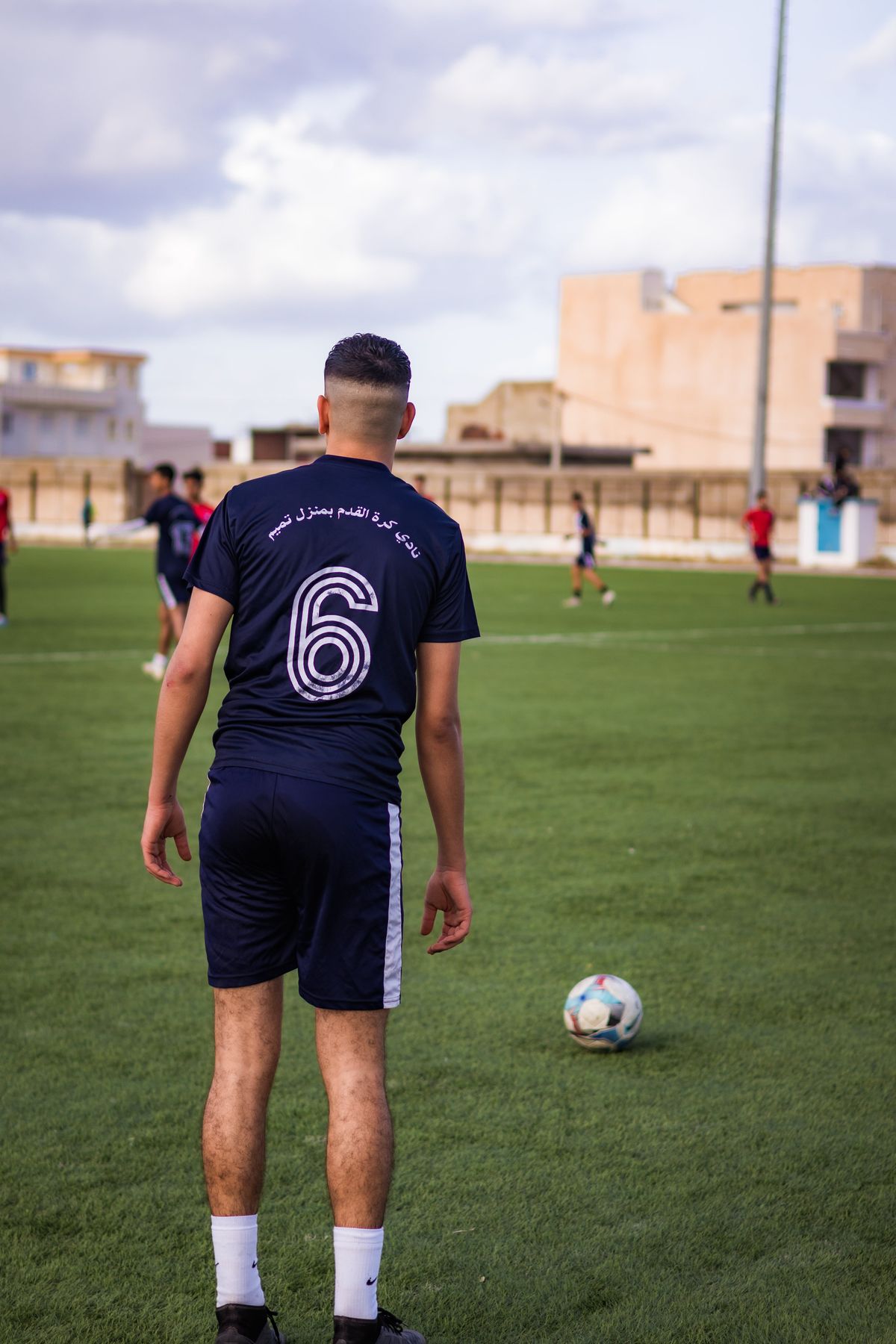
Soccer fitness is crucial for soccer players to perform at their best on the field. In this article, we will explore essential exercises that can help players achieve peak performance and improve their overall game. From dynamic warm-up exercises to strength and conditioning workouts, each aspect of soccer fitness plays a vital role in enhancing player’s skills and endurance.
Key Takeaways
- Soccer fitness is essential for peak performance on the field.
- Dynamic warm-up exercises like leg swings, high knees, and lateral lunges are important for preparing the body for intense activity.
- Strength and conditioning workouts such as plyometric exercises, core strengthening workouts, and agility drills help improve player’s strength, speed, and agility.
- Incorporating soccer fitness training into your routine can enhance overall performance and reduce the risk of injuries.
- Consistent practice and dedication to soccer fitness can lead to significant improvements in player’s game.
The Importance of Soccer Fitness Training
Benefits of Soccer Fitness Training
We understand the importance of staying at the top of our game, and that’s where soccer fitness training comes into play. It enhances our overall performance on the field, ensuring we’re always a step ahead of the competition. By focusing on soccer-specific fitness, we improve our endurance, speed, and strength, which are crucial for the demands of a 90-minute match.
Stamina is a key factor in soccer, and through targeted fitness training, we can significantly increase our ability to maintain high levels of performance throughout the entire game. Here’s a quick list of benefits we reap from dedicated soccer fitness training:
- Improved cardiovascular health
- Increased muscular endurance
- Enhanced agility and flexibility
- Better coordination and balance
Emphasizing soccer fitness training is not just about being able to run for longer periods; it’s about optimizing our movement and energy usage on the pitch to outperform and outlast our opponents.
Key Components of Soccer Fitness Training
When we talk about soccer fitness training, we’re referring to a comprehensive approach that targets several key areas. Endurance, strength, flexibility, and speed are the pillars that support a player’s performance on the field. Each component is crucial and requires dedicated attention during training sessions.
- Endurance training involves activities that improve cardiovascular health, allowing players to maintain a high level of play throughout the match.
- Strength training focuses on building the muscles needed for powerful shots and tackles.
- Flexibility exercises enhance a player’s range of motion, reducing the risk of injury.
- Speed drills develop quick reflexes and fast-paced movements essential for beating opponents.
It’s essential to create a balanced training plan that addresses all these components. A well-rounded athlete is more effective on the pitch and can adapt to the dynamic nature of soccer.
Our training plan is inspired by the best practices in the industry. It’s structured to ensure that players can achieve peak physical condition. For example, a typical week might include fundamental footwork techniques to enhance agility, drills for foot speed enhancement, sessions for ball mastery skills, and exercises aimed at developing a lower center of gravity.
Incorporating Soccer Fitness Training into Your Routine
Incorporating soccer fitness training into our routine is crucial for maintaining peak performance throughout the season. We must be strategic in our approach, ensuring that each exercise complements our playing style and position-specific demands.
Consistency is key in seeing the benefits of our fitness regimen. To help us stay on track, here’s a simple weekly plan we can follow:
- Monday: Strength training focusing on lower body
- Wednesday: Core strengthening workouts
- Friday: Agility drills and plyometric exercises
Recovery is just as important as the workouts themselves. We should always allocate time for proper cool-down and stretching after each session to prevent injuries and promote muscle recovery.
By dedicating specific days to different aspects of soccer fitness, we ensure a balanced approach that targets all the necessary areas. This not only improves our game but also minimizes the risk of overtraining certain muscle groups.
Dynamic Warm-Up Exercises for Soccer Players
Leg Swings
As we prepare for an intense soccer session, leg swings are an essential exercise to kickstart our warm-up routine. They help in loosening the hip flexors and hamstrings, which are crucial for those powerful kicks and sprints on the field.
Dynamic stretching, such as leg swings, not only prepares our muscles for the activity ahead but also improves our range of motion. Here’s how we do it:
- Stand tall and hold onto a steady object for balance.
- Swing one leg forward and backward, gradually increasing the height with each swing.
- Perform 10 to 15 swings with each leg.
Remember, the goal is to warm up the muscles, not to overextend. Keep the movements controlled and smooth.
Incorporating leg swings into our daily practice can significantly enhance our flexibility and reduce the risk of injury. It’s a simple yet powerful tool in our soccer fitness arsenal.
High Knees
After completing leg swings, we transition to high knees, an exercise that emphasizes cardiovascular fitness and enhances lower body strength. This drill is particularly effective for improving our knee lift and stride frequency, which are crucial for explosive movements on the soccer field.
To perform high knees correctly, follow these steps:
- Stand with your feet hip-width apart.
- Begin jogging in place, lifting your knees as high as possible.
- Pump your arms in sync with your leg movements.
- Maintain a straight posture and engage your core throughout the exercise.
Consistency is key. Aim to incorporate high knees into your routine at least twice a week, gradually increasing the duration and intensity as your fitness improves.
Remember, the goal is to get your knees up quickly and maintain a brisk pace. This exercise not only warms up your muscles but also builds endurance and coordination, making it a staple in our soccer fitness regimen.
Lateral Lunges
After completing high knees, we’ll transition into lateral lunges, an exercise that targets the adductors, glutes, and quadriceps. This movement enhances our lateral stability, crucial for soccer where side-to-side movements are frequent.
Flexibility and strength in these muscle groups are vital for maintaining balance and preventing injuries on the pitch. Here’s how we perform lateral lunges effectively:
- Stand with your feet together.
- Take a large step to the side with one foot.
- Lower your hips back and down while bending the knee of the stepping leg.
- Keep the other leg straight and your foot flat on the ground.
- Push off with the stepping leg to return to the starting position.
- Repeat on the other side.
Remember, the depth of the lunge should be adjusted according to your level of comfort and flexibility. It’s not about how low you can go, but rather maintaining proper form throughout the exercise.
Strength and Conditioning Workouts for Soccer
Plyometric Exercises
In our quest for peak soccer performance, we’ve come to rely on plyometric exercises as a cornerstone of our strength and conditioning routine. These explosive movements are crucial for developing the power and speed essential for soccer.
Plyometrics, often known as jump training, involve muscles exerting maximum force in short intervals. This helps in improving our overall muscular power and explosiveness, which translates directly to better performance on the pitch. Here’s a simple list of plyometric exercises we incorporate:
- Box Jumps
- Squat Jumps
- Lateral Hops
- Tuck Jumps
- Depth Jumps
Remember, the key to effective plyometric training is quality over quantity. Focus on the form and intensity of each jump rather than the number of repetitions.
It’s important to gradually increase the intensity and complexity of these exercises to prevent injury and to maximize gains. Start with lower heights and simpler movements, and as our fitness improves, we can introduce more challenging variations.
Core Strengthening Workouts
We understand the pivotal role that a strong core plays in soccer performance. A robust core is the foundation for powerful shots, quick turns, and overall stability on the field. To enhance our core strength, we focus on exercises that challenge our stability and endurance.
Core workouts are not just about crunches; they involve a variety of movements that engage multiple muscle groups. Here’s a short list of exercises we’ve found particularly effective:
- Plank with Weight
- Axial Crawl with Weight
- Hollow Hold Pullover
- Chaos Pallof Hold
- Quadruped Dumbbell Drags
By consistently incorporating these exercises into our routine, we’ve seen significant improvements in our balance, power, and injury prevention.
Remember, the key to reaping the benefits of core workouts is regular practice and progressive overload. Challenge yourself, but always prioritize proper form to avoid injury.
Agility Drills
We’ve covered the strength and plyometric aspects of soccer fitness, and now it’s time to focus on agility drills. These exercises are crucial for developing quick feet, sharp turns, and explosive changes of direction. Agility is key to outmaneuvering opponents on the pitch, and it’s something we can always improve on.
- Cone drills: Zigzag through cones to enhance lateral quickness.
- Shuttle runs: Sprint short distances, touch the ground, and quickly change direction.
- T-Drill: Form a ‘T’ with cones and practice sprinting and side-stepping.
Remember, the goal of agility drills is not just speed, but also control. It’s about the ability to maintain balance and coordination at high velocities.
Incorporating these drills into our routine will pay dividends during a match. As highlighted by A-Champs, ‘These drills, that can be practiced at home and individually, are designed to improve various aspects of a player’s game, from ball control to endurance.’ This means we can work on our agility even when we’re not on the field, ensuring we’re always at the top of our game.
Conclusion
In conclusion, mastering these essential exercises for peak performance is crucial for soccer players looking to enhance their fitness levels and overall game. By incorporating these exercises into your training routine, you can improve your strength, agility, and endurance on the field. Stay tuned to Soccer Rondo for more valuable insights, tips, and reviews to elevate your soccer game to the next level.
Frequently Asked Questions
What are the benefits of soccer fitness training?
Soccer fitness training helps improve endurance, strength, speed, and agility, essential for peak performance on the field.
What are the key components of soccer fitness training?
The key components include cardiovascular fitness, strength training, flexibility exercises, and agility drills.
How can I incorporate soccer fitness training into my routine?
You can incorporate soccer fitness training by dedicating specific days for different aspects like strength training, agility drills, and cardio workouts.
Why are dynamic warm-up exercises important for soccer players?
Dynamic warm-up exercises help increase blood flow, improve flexibility, and reduce the risk of injuries during training and matches.
What are plyometric exercises and how do they benefit soccer players?
Plyometric exercises are explosive movements that improve power, speed, and jumping ability, crucial for soccer players to enhance their performance on the field.
How do agility drills help in soccer conditioning?
Agility drills improve a player’s ability to change direction quickly, react faster on the field, and enhance overall coordination and balance.