
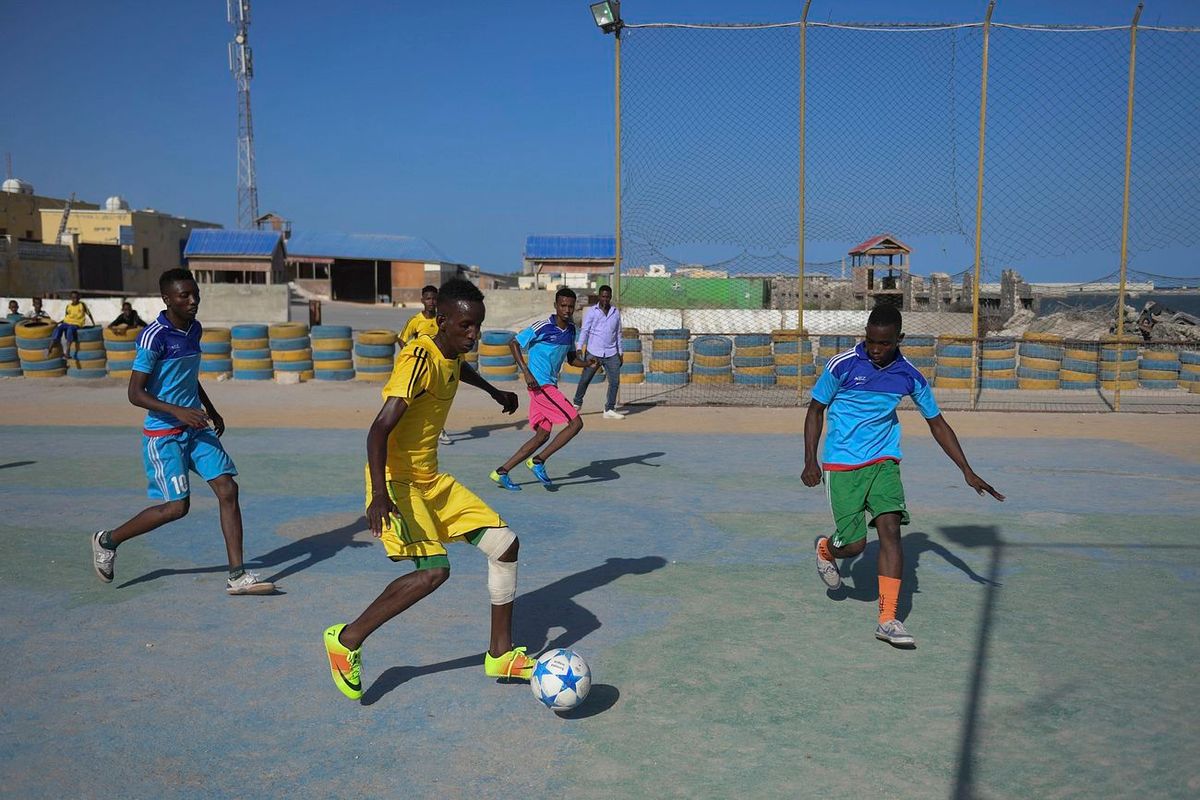
Soccer Rondo is a blog that educates users about the sport and the latest equipment. It includes tips and tricks, reviews, and explanations. In this article, we delve into the secrets of Soccer Rondo success, focusing on mastering ball control, creating space and passing lanes, as well as team coordination and communication.
Key Takeaways
- Mastering ball control is essential for success in Soccer Rondo.
- Creating space and passing lanes efficiently can lead to better team performance.
- Effective communication on the field is crucial for coordinated play.
- Coordinated pressing and defending tactics are key elements in Soccer Rondo.
- Attacking as a unit enhances the team’s overall effectiveness in Soccer Rondo.
Mastering Ball Control
Techniques for Close Control
In our journey to soccer rondo success, we’ve come to understand that the foundation of any great play is mastering the ball at our feet. Keeping the ball close is crucial, and it starts with the basics of dribbling. We focus on keeping our touches light and our movements fluid, ensuring that the ball feels like an extension of ourselves.
Positioning our body between the defender and the ball is a technique we constantly refine. This not only shields the ball but also gives us the advantage of being able to turn in multiple directions. Here’s a simple list of drills we practice to enhance our close control:
- Cone dribbling exercises
- One-on-one shielding drills
- Tight space maneuvering
Mastery of close control allows us to dictate the pace of the game and make decisive moves when the opportunity arises. It’s about making the ball work for us, not the other way around.
We also incorporate small-sided games that simulate tight spaces, encouraging quick decision-making and precision. The goal is to create an instinctual response where control becomes second nature, allowing us to focus on the broader strategy of the game.
Improving First Touch
Our journey to rondo success hinges on the ability to improve our first touch. This skill is the cornerstone of controlling the ball under various conditions and setting ourselves up for the next move. Mastering the first touch allows us to maintain possession and make decisive plays.
To enhance our first touch, we engage in specific drills that simulate match conditions. Here’s a brief rundown of effective exercises:
- Box Drill: Sharpens our spatial awareness and touch in tight spaces.
- Move and Pass Drill: Develops quick thinking and precision under movement.
- Pass Between the Cones Drill: Improves accuracy and control when receiving and redirecting the ball.
It’s crucial to remember that the quality of our first touch can dictate the tempo of the game and our ability to outmaneuver opponents. Regular practice of these drills will not only refine our touch but also build our confidence on the ball.
Using Feints and Body Movement
In our quest to dominate the rondo, we’ve come to realize the power of deception. Utilizing feints and body movements can be the difference between maintaining possession and losing it. A well-executed feint not only confuses defenders but also creates precious seconds for us to make the next move.
Feints are about selling a story to the defender. Whether it’s a fake shot or a sudden change in direction, the goal is to make them believe we’re committing to an action that we’re not. Here’s a simple list to get us started:
- Practice fake shots to draw defenders out of position
- Use body feints to shift their weight the wrong way
- Incorporate shoulder drops to suggest a change in direction
By mastering these techniques, we ensure that our movements are not telegraphed, keeping the opposition guessing and reactive, rather than proactive.
Remember, the key to effective feinting is unpredictability. The more varied our movements, the harder it is for defenders to read our intentions. Let’s keep them on their toes, making space for that killer pass or decisive shot.
Creating Space and Passing Lanes
Understanding Spatial Awareness
In soccer, we often emphasize the importance of technical skills, but we also recognize that spatial awareness is a critical component of Rondo success. Being aware of the space around us and our teammates allows for smarter decision-making and more fluid play.
To enhance our spatial awareness, we focus on the following aspects:
- Constantly scanning the field to anticipate the movement of the ball and players
- Positioning ourselves in such a way to receive the ball with multiple options for the next play
- Recognizing when to hold our position to maintain the structure of the team
By improving our spatial awareness, we not only see the immediate play but also two or three moves ahead, setting the stage for a successful Rondo.
It’s not just about where we are on the pitch; it’s about where we could be. The best players seem to have a sixth sense for open spaces and passing lanes, and it’s this intuition that we strive to develop in our team.
Passing Under Pressure
When we find ourselves in tight situations on the pitch, the ability to pass under pressure becomes crucial. We must remain calm and make decisive movements to keep the ball moving swiftly. Maintaining possession is key, even when opponents are closing in.
Precision in passing is not just about accuracy; it’s about timing and understanding teammates’ movements. Here’s a simple drill we often practice:
- Position players in a circle with two defenders in the middle.
- The objective is to keep the ball away from the defenders with one-touch passing.
- If a defender intercepts, they switch places with the player who lost the ball.
This drill not only hones our passing skills but also teaches us to anticipate the play, making it easier to find pockets of space in real match situations.
Remember, the best Rondo Soccer Drills are designed to simulate the pressures of a game. By consistently practicing these drills, we develop the ability to deliver Soccer Passing Drills that are effective even when we’re being tightly marked.
Utilizing Overlaps and Switches
After mastering overlaps and switches, we find ourselves in a prime position to launch counter-attacks with fluidity and surprise. Our movement off the ball is crucial; it’s not just about the player with possession, but also about those making intelligent runs to draw defenders away and open up space. We practice this in training, one group starting with the ball and aiming to pass it between them, with players making overlapping runs and switching positions as they progress up the pitch.
By constantly changing our points of attack, we keep the opposition guessing and create opportunities for quick, sharp counter-attacks.
To ensure that everyone understands their role during these maneuvers, we use the following checklist:
- Recognize the trigger for an overlap or switch
- Communicate intentions clearly with teammates
- Execute the movement with speed and precision
- Maintain positional discipline to avoid leaving gaps
This approach not only enhances our attacking options but also reinforces our defensive stability by keeping the team shape intact.
Team Coordination and Communication
Effective Communication on the Field
We understand that the foundation of our team’s success lies in how effectively we communicate. Clear, concise, and constant communication is essential, whether we’re signaling for the ball or organizing a defensive line. It’s not just about shouting for a pass; it’s about providing information that helps teammates make better decisions.
- Always address teammates by name to grab their attention.
- Use hand signals to complement verbal cues.
- Provide feedback both during and after the play.
Maintaining eye contact and being aware of each other’s positions are crucial. We must anticipate our teammates’ movements and convey our intentions without hesitation. This non-verbal understanding often speaks louder than words on the pitch.
Remember, a team that communicates well, plays well. It’s about building trust and understanding, so that when the pressure mounts, we move as one cohesive unit.
Coordinated Pressing and Defending
In our quest to perfect the rondo, we recognize that coordinated pressing and defending are pivotal. When we press as a cohesive unit, we not only reclaim possession more effectively but also set the stage for a swift transition to attack. It’s essential to develop strategies for coordinated pressing, where we work together to apply pressure and close down spaces.
- Identify the trigger for pressing
- Communicate player roles clearly
- Move as a unit to compress the play area
By mastering these tactics, we ensure that no opponent has the time or space to break through our defense. This relentless pressure can often lead to forced errors, providing us with opportunities to regain control and initiate our own offensive maneuvers.
Effective communication is the bedrock of this approach. We must be vocal on the field, signaling our intentions and alerting teammates to shifts in play. This harmony in defense translates to a formidable presence on the pitch, one that can intimidate and disrupt even the most skilled adversaries.
Attacking as a Unit
When we attack as a unit, we embody the principle that the whole is greater than the sum of its parts. Our movements become synchronized, creating a fluid and dynamic offensive force. By doing so, we ensure that every player is involved and that the opposition is constantly challenged on multiple fronts.
Positioning is crucial in this phase of play. As attackers, we are often the first line of defense, and conversely, our defenders can initiate the first line of attack. This dual role emphasizes the interconnectedness of our roles on the pitch.
- Communicate constantly to signal intentions and movements
- Move off the ball to create options for the ball carrier
- Exploit spaces left by the opposition’s defensive shifts
By maintaining a high level of coordination, we can disorient the opposition and create scoring opportunities through collective effort rather than individual brilliance.
Conclusion
In conclusion, Soccer Rondo provides valuable insights into the world of soccer, offering a platform for education, tips, and equipment reviews. By unlocking the secrets to soccer rondo success, readers can enhance their understanding of the sport and improve their skills on the field. Stay tuned to Soccer Rondo for more updates and expert guidance on all things soccer.
Frequently Asked Questions
What is Soccer Rondo and what does it focus on?
Soccer Rondo is a blog that educates users about the sport and the latest equipment. It includes tips and tricks, reviews, and explanations.
How can mastering ball control improve my performance in soccer?
Mastering ball control enhances your ability to keep possession, make precise passes, and outmaneuver opponents with ease.
What are some techniques for close control in soccer?
Techniques for close control include using the inside and outside of your foot, shifting your body weight, and keeping the ball close to your feet.
Why is understanding spatial awareness important in soccer rondo?
Spatial awareness helps players anticipate movements, find open spaces, and make quick decisions to maintain possession and create scoring opportunities.
How can coordinated pressing and defending benefit a soccer team?
Coordinated pressing and defending disrupt opponents’ attacks, force turnovers, and create counterattacking opportunities for your team.
Why is effective communication crucial for team coordination in soccer rondo?
Effective communication ensures that players are on the same page, coordinate their movements, and execute strategies efficiently on the field.