
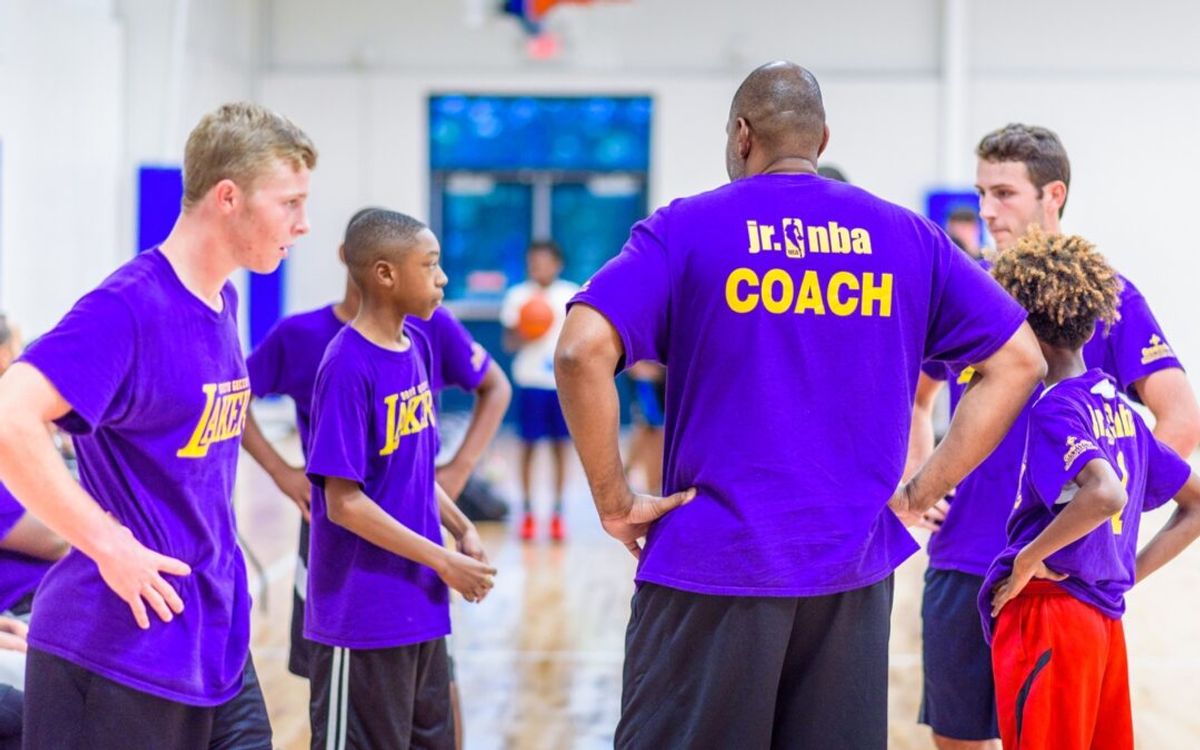
Soccer Rondo is a blog that educates users about the sport and the latest equipment. It includes tips and tricks, reviews, and explanations.
Key Takeaways
- Mastering the basics of soccer rondo is essential for players at all levels.
- Advanced skills and tactics such as creating space and decision making under pressure can elevate your game.
- Training like a pro with a fitness regimen, mental preparation, and recovery techniques is crucial for peak performance.
Mastering the Basics
Passing Techniques
In our journey to master the art of the rondo, we recognize that passing is the cornerstone of this exercise. It’s not just about moving the ball from one point to another; it’s about doing so with precision, timing, and awareness. We’ve identified 3 Fantastic Exercises to Develop Superior Passing Skills, each designed to enhance a different aspect of this critical skill, crucial for teams focused on either maintaining possession or executing swift counterattacks.
- One-touch passing: This drill improves your ability to pass quickly under pressure. The key is to anticipate the ball’s arrival and know where you’re going to send it before it even reaches your feet.
- Triangle passing: Here, we focus on the angles of passing. Three players form a triangle and continuously pass the ball to each other, promoting better spatial awareness and communication.
- Pass and move: After passing the ball, the player must immediately move to a new position, encouraging constant movement and understanding of the game’s dynamics.
Consistency in practice leads to perfection in performance. We must engrave this mantra in our minds as we repeat these drills, ensuring that our passes are not just good, but consistently excellent.
Ball Control Drills
After mastering the basics of passing, we turn our attention to the ball control drills that are essential for keeping possession under pressure. Our ability to maintain control of the ball is what sets the foundation for successful rondos.
One effective exercise we incorporate is the Ball Control 1-on-1 Drill, inspired by Megan Wargo-Kearney. This drill not only enhances our touch but also sharpens our ability to read the game. It’s a dynamic way to get multiple touches and simulate real-game scenarios.
To excel in ball control, focus on the quality of each touch. It’s not just about keeping the ball in play; it’s about setting it up for the next move.
Here’s a simple breakdown of the drill:
- Each player faces a partner across a small grid.
- The ball is played over an imaginary line, mimicking a net.
- Players must control and return the ball with no more than two touches.
- The goal is to force an error from the opponent while maintaining composure and control.
Positioning Strategies
After mastering the basics of passing and ball control, we turn our attention to the nuanced art of positioning. Positioning is pivotal in a rondo, as it dictates the flow and success of the exercise. We focus on the spatial awareness required to maintain possession and create passing lanes.
- Always be on your toes, ready to move
- Communicate with your teammates to adjust positions
- Anticipate the ball’s movement and position accordingly
Positioning is not just about where you are, but also about where you’re going to be. It’s about reading the game and being two steps ahead.
One effective drill we often practice is inspired by the title: "Three-team 4 v 2 rondo at high pace – Julian Nagelsmann". This drill emphasizes retention of possession in tight spaces and at high pace, challenging players to constantly assess their positioning in relation to their teammates and opponents.
Advanced Skills and Tactics
Creating Space
In the dynamic world of soccer, creating space is essential for maintaining the flow of the game and providing options for the player with the ball. We focus on the movement off the ball, which is just as important as the skills we exhibit on it.
To effectively create space, we use a combination of quick sprints, sharp changes in direction, and intelligent positioning. Here’s a simple list to keep in mind during play:
- Always be aware of your surroundings and anticipate where space will open up.
- Communicate with teammates to orchestrate coordinated movements.
- Utilize feints and dummy runs to mislead opponents.
The key to mastering this skill lies in the ability to read the game and react instantaneously. It’s not just about running more, but running smart.
By practicing these techniques, we can manipulate the defense and carve out opportunities for our team. Remember, the best players are not always the ones with the ball, but often those who create the most space for others.
Decision Making Under Pressure
In the heat of a match, the ability to make quick decisions under pressure is what separates good players from great ones. We’ve all experienced those critical moments when the ball comes our way, and we have mere seconds to decide our next move. The key is to stay calm and trust in our training.
To enhance our decision-making ability, we practice specific exercises that simulate match conditions. One effective drill involves a series of rapid passes in a confined space, where players must constantly assess their options and execute with precision. Here’s a simple breakdown of the drill:
- Each player is limited to two touches.
- The space is restricted to a 10×10 yard area.
- Players must make a pass within 3 seconds of receiving the ball.
This drill not only sharpens our decision-making but also improves our technical skills under duress.
By regularly incorporating these high-pressure scenarios into our training sessions, we build the mental resilience to handle real-game situations. It’s about creating an instinctual response that allows us to deliver accurate passes and maintain possession even when opponents are bearing down on us.
Defensive Pressing
In our journey to refine our soccer rondo skills, we’ve come to understand the pivotal role of defensive pressing. This tactic is not just about physical prowess; it’s a mental game where anticipation and teamwork converge to regain possession.
The key to effective defensive pressing is coordination. Each player must understand their role and the triggers that prompt the press. We focus on closing down space quickly, forcing the opponent into making errors. It’s a dance of pressure and restraint, where timing is everything.
- Identify the pressing trigger
- Communicate with teammates
- Close down space rapidly
- Force the opponent into mistakes
In the heat of the game, defensive pressing becomes our silent language. It’s a statement of intent, a collective effort to tilt the balance in our favor.
We also emphasize the importance of fitness; a well-executed press is physically demanding. Players must be in peak condition to sustain the high-intensity efforts required throughout the match. It’s not just about the moments we have the ball, but also about the relentless pursuit when we don’t.
Training Like a Pro
Fitness Regimen
As we delve into our fitness regimen, it’s crucial to understand the commitment required to train like a pro. Our weekly routine is rigorous, involving multiple sessions designed to enhance our cardiovascular and muscular endurance. We typically engage in fitness training 3 to 4 times per week, each session tailored to our specific needs as soccer players.
To maintain peak physical condition, we follow a structured schedule:
- Monday: Cardiovascular workouts
- Wednesday: Strength and conditioning
- Friday: Agility and flexibility training
- Sunday: Active recovery or light cardio
It’s not just about the hours we put in; it’s about the quality of each session. We focus on exercises that mimic the dynamic movements of soccer, ensuring our bodies are prepared for the demands of the game.
Our dedication to fitness is a testament to our passion for soccer. We push ourselves to the limits, knowing that our physical prowess can make the difference between a good player and a great one.
Mental Preparation
We understand that soccer is as much a mental game as it is physical. To excel, we must cultivate a competitive mindset. Consistency in our mental approach is crucial to performance on the pitch. The three keys to developing this mindset are repetition, repetition, and repetition. You cannot consistently perform or implement what you don’t practice regularly.
Our mental preparation involves a series of steps:
- Setting clear, achievable goals
- Visualizing successful plays and outcomes
- Developing a routine that fosters focus and calmness
By dedicating time to mental exercises and visualization, we strengthen our psychological resilience, enabling us to remain composed and decisive during high-pressure situations.
Remember, the mind’s ability to endure and overcome is what often separates the good players from the great ones. We must train our minds with the same rigor we apply to our physical training.
Recovery Techniques
After an intense training session or match, our focus shifts to recovery. We understand that adequate recovery is crucial for maintaining performance and preventing injuries. One of the most effective strategies we’ve adopted is nutritional intake. Ensuring that our bodies receive the right nutrients after exertion helps in muscle repair and energy replenishment.
Recovery isn’t just about what we do post-exercise, but also about the habits we build. Consistent sleeping patterns and active recovery days are as important as the training itself.
Another technique we’ve found beneficial is cold water immersion. It helps in reducing muscle soreness and inflammation. Alongside, we incorporate stretching to improve flexibility and compression garments to support muscle recovery. Here’s a quick rundown of our recovery routine:
- Nutritional intake: Protein-rich meals and hydration
- Cold water immersion: 10-15 minutes post-exercise
- Sleeping: 7-9 hours of quality sleep
- Active recovery: Light activities on rest days
- Stretching: Daily flexibility exercises
- Compression garments: Worn after strenuous activities
Conclusion
In conclusion, Soccer Rondo serves as a valuable resource for soccer enthusiasts looking to enhance their knowledge of the sport and stay updated on the latest equipment trends. Through its informative blog posts, insightful tips and tricks, detailed reviews, and clear explanations, Soccer Rondo provides a comprehensive guide for individuals passionate about soccer. Whether you are a beginner or a seasoned player, Soccer Rondo offers a platform to learn, improve, and engage with the sport on a deeper level.
Frequently Asked Questions
What is Soccer Rondo?
Soccer Rondo is a blog that educates users about the sport and the latest equipment. It includes tips and tricks, reviews, and explanations.
Why is mastering passing techniques important in soccer rondo?
Passing techniques are crucial in soccer rondo as they facilitate quick ball movement and help maintain possession.
How can ball control drills enhance a player’s performance in soccer rondo?
Ball control drills improve a player’s touch, dribbling skills, and overall control of the ball, leading to better performance in soccer rondo.
What are some effective positioning strategies in soccer rondo?
Effective positioning strategies involve maintaining proper spacing, anticipating movements, and creating passing lanes to support teammates during gameplay.
How can players create space effectively in soccer rondo?
Players can create space by making intelligent runs, using feints and body positioning, and communicating with teammates to draw defenders away.
Why is decision making under pressure a key aspect of soccer rondo?
Decision making under pressure is essential in soccer rondo as it helps players react quickly, make informed choices, and execute effective plays in tight situations.