
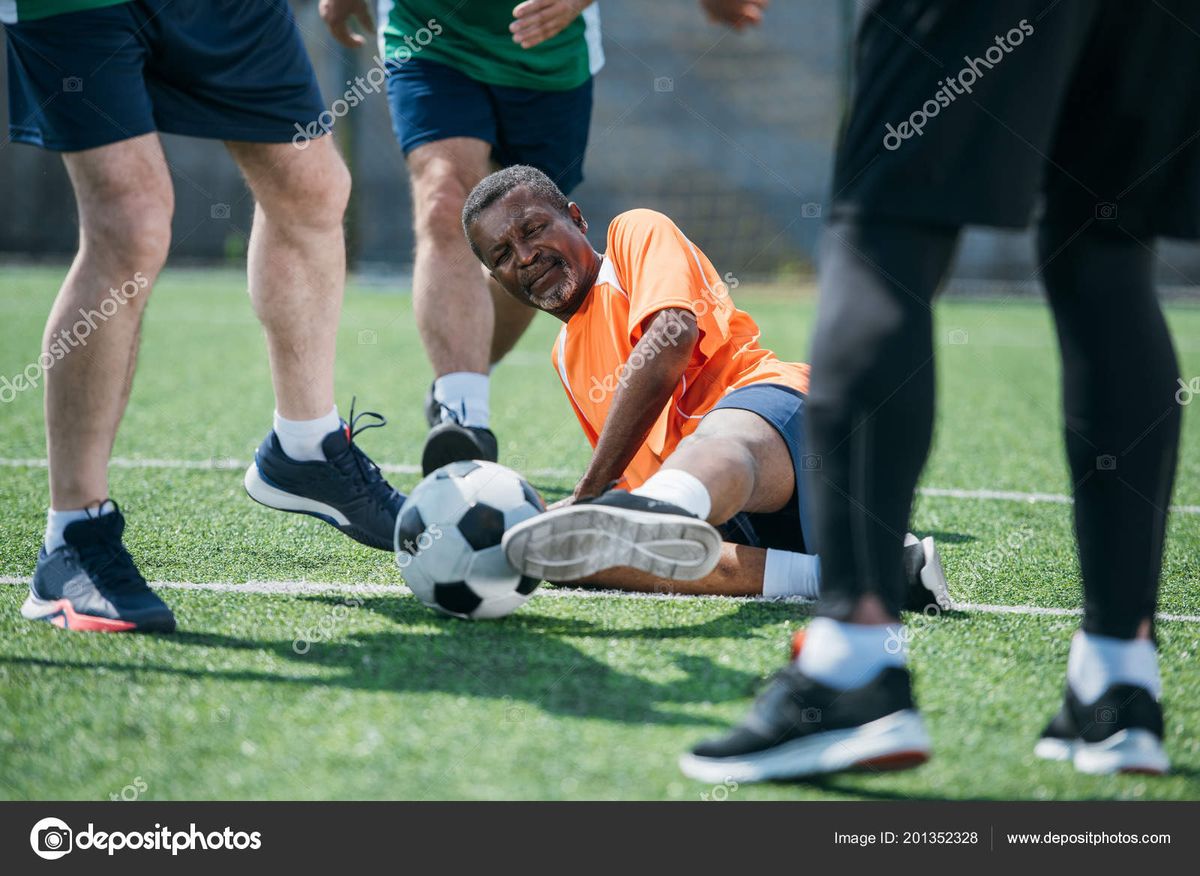
Soccer fitness is essential for players to perform at their best on the field. In this article, we will explore the importance of soccer fitness, dynamic warm-up exercises, agility, and speed drills to help you stay game-ready. Whether you’re a beginner or a seasoned player, incorporating these exercises into your routine can enhance your performance and reduce the risk of injuries. Stay tuned to discover the key takeaways from this comprehensive guide to soccer fitness.
Key Takeaways
- Soccer fitness is crucial for optimal performance on the field.
- Dynamic warm-up exercises help prepare your body for intense physical activity.
- Agility and speed drills improve your quickness and coordination on the field.
- Consistent practice of these exercises can enhance your overall soccer fitness level.
- Incorporating soccer fitness routines into your training regimen can help prevent injuries and boost your endurance.
Importance of Soccer Fitness
Benefits of Soccer Fitness
As we delve into the world of soccer fitness, it’s crucial to recognize the myriad benefits it brings to our game. Staying fit is not just about endurance; it’s about enhancing every aspect of our performance on the pitch. From increased stamina to improved ball control, the advantages are clear.
Agility, speed, and strength are the cornerstones of a soccer player’s physical capabilities. By focusing on fitness, we ensure that these attributes are honed to their peak, allowing us to execute those game-changing plays with precision and confidence.
- Enhanced stamina for sustained effort throughout the match
- Greater agility for quick turns and rapid changes in direction
- Improved speed to outrun opponents
- Increased strength for better ball control and physical duels
By maintaining a high level of fitness, we not only elevate our own game but also contribute positively to the team’s overall performance. A fit player is a valuable asset, capable of making the difference when it matters most.
Key Components of Soccer Fitness
We understand that soccer fitness isn’t just about running for 90 minutes; it’s about optimizing our performance on the pitch. Stamina, strength, agility, and speed are the pillars that keep us game-ready. Each component plays a crucial role in how we handle the ball, evade opponents, and maintain our energy levels throughout the match.
Stamina ensures we can sustain high levels of effort. To build it, we focus on aerobic exercises like jogging and interval training. Strength is crucial for duels and shielding the ball, and we achieve it through weight training and plyometrics.
Agility allows us to make quick turns and sudden stops, which are essential in a dynamic sport like soccer. Speed, on the other hand, gives us the edge to outrun opponents and create scoring opportunities.
Here’s a quick rundown of exercises that target these key components:
- Stamina: Long-distance running, Fartlek training, Interval sprints
- Strength: Squats, Deadlifts, Bench presses
- Agility: Cone drills, Box jumps, Zigzag runs
- Speed: 40-yard dashes, Parachute runs, Acceleration drills
Dynamic Warm-Up Exercises
Lunges and Leg Swings
As we prepare for the intensity of a soccer match, dynamic stretching is crucial for getting our muscles game-ready. Lunges and leg swings, in particular, are excellent for improving flexibility and joint range of motion. We start with forward and side lunges to engage the major leg muscles, ensuring we’re covering all planes of movement.
- Forward lunges: 2 sets of 10 reps per leg
- Side lunges: 2 sets of 10 reps per leg
- Leg swings: 2 sets of 15 reps per leg
By incorporating these exercises into our warm-up routine, we’re not only preparing our muscles for the game but also reducing the risk of injury.
Leg swings are especially beneficial as they mimic the natural movement patterns of soccer, such as kicking. We perform these swings both laterally and front-to-back to fully prepare our hip flexors and hamstrings for the sudden starts, stops, and changes in direction that are so common in soccer.
High Knees and Butt Kicks
After we’ve loosened up with lunges and leg swings, we move on to high knees and butt kicks. These exercises are crucial for stimulating the hip flexor muscles, which play a significant role in our soccer fitness regime. High knees help us to lift our knees up high as we run, mimicking the movements we’ll make on the pitch.
While performing high knees, it’s essential to maintain a good posture and engage our core to maximize the benefits.
Butt kicks, on the other hand, are all about bringing our heels up to our glutes. This action warms up our hamstrings, preparing us for the explosive sprints and sudden stops that are all too common in a game. Here’s a quick rundown of how we incorporate these exercises into our routine:
- Start with a light jog to get the blood flowing.
- Shift into high knees for 30 seconds, driving each knee up powerfully.
- Without pausing, transition into butt kicks for another 30 seconds, focusing on quick, fluid movements.
- Repeat this cycle three to four times, increasing the intensity with each round.
Agility and Speed Drills
Cone Drills
After warming up, we move on to cone drills, which are essential for improving our agility and directional changes. These drills mimic the quick transitions required during a match, helping us to navigate through opponents with ease.
- Start by setting up cones in a zigzag formation.
- Sprint from one cone to the next, making sharp cuts around each cone.
- Focus on maintaining balance and control with each turn.
- Gradually increase speed as your technique improves.
Consistency is key in cone drills. Regular practice will significantly enhance your on-field agility.
Remember to keep your head up and be aware of your surroundings, just as you would in a game scenario. This not only improves your physical ability but also sharpens your mental game.
Ladder Drills
After mastering cone drills, we move on to ladder drills, an essential component for enhancing footwork and coordination. These exercises are pivotal for improving our speed and agility on the field.
We typically start with simple one-foot runs through each box of the ladder, then progress to more complex patterns that challenge our balance and timing. It’s important to maintain a high level of intensity to reap the full benefits.
Consistency is key in ladder drills. Regular practice will lead to noticeable improvements in our game-day performance.
Here’s a basic ladder drill sequence to get us started:
- Single-step runs
- In-and-out hops
- Lateral shuffles
- Ickey shuffle
- Two-footed hops
Remember, the goal is to minimize ground contact time while maintaining precision. A good agility ladder set can make a significant difference in our training. For instance, the Invincible Fitness Agility Ladder Set includes not just a sturdy ladder, but also 10 cones and 3 loop resistance bands, offering a comprehensive workout.
Shuttle Runs
After completing our agility and speed drills with cone and ladder exercises, we move on to shuttle runs, a pivotal part of our training regimen. These runs are not just about speed; they’re about the improvement of our ability to accelerate, decelerate, and quickly change direction.
Shuttle runs effectively enhance our cardiovascular fitness, making us more resilient during the late stages of a game.
To maximize the benefits of shuttle runs, we follow a structured approach:
- Start with a light jog to the first marker and back.
- Progressively increase the intensity with each subsequent run.
- Focus on maintaining a strong posture and proper footwork.
- Cool down with a gentle jog and stretching exercises.
By incorporating shuttle runs into our routine, we ensure that our speed and explosive strength are at their peak when we step onto the pitch.
Conclusion
In conclusion, maintaining optimal fitness is crucial for soccer players to perform at their best on the field. By incorporating a variety of exercises targeting strength, endurance, agility, and flexibility, players can enhance their game readiness and reduce the risk of injuries. Remember, consistency and dedication to a well-rounded fitness routine are key to staying game-ready. Stay tuned to Soccer Rondo for more tips, tricks, and updates to elevate your soccer performance!
Frequently Asked Questions
What are the benefits of soccer fitness?
Soccer fitness helps improve endurance, strength, agility, and overall performance on the field.
Why is dynamic warm-up important for soccer players?
Dynamic warm-up exercises help increase blood flow, flexibility, and reduce the risk of injuries before a game or training session.
How do agility and speed drills enhance soccer performance?
Agility and speed drills improve a player’s quickness, reaction time, and ability to change direction swiftly during a game.
What are some common dynamic warm-up exercises for soccer players?
Lunges, leg swings, high knees, and butt kicks are popular dynamic warm-up exercises that help prepare the muscles for physical activity.
What is the significance of cone drills in soccer training?
Cone drills help players improve their dribbling skills, footwork, and spatial awareness on the field.
How can ladder drills benefit soccer players’ agility and coordination?
Ladder drills focus on footwork, coordination, and speed, which are essential for quick movements and precise foot placement in soccer.