
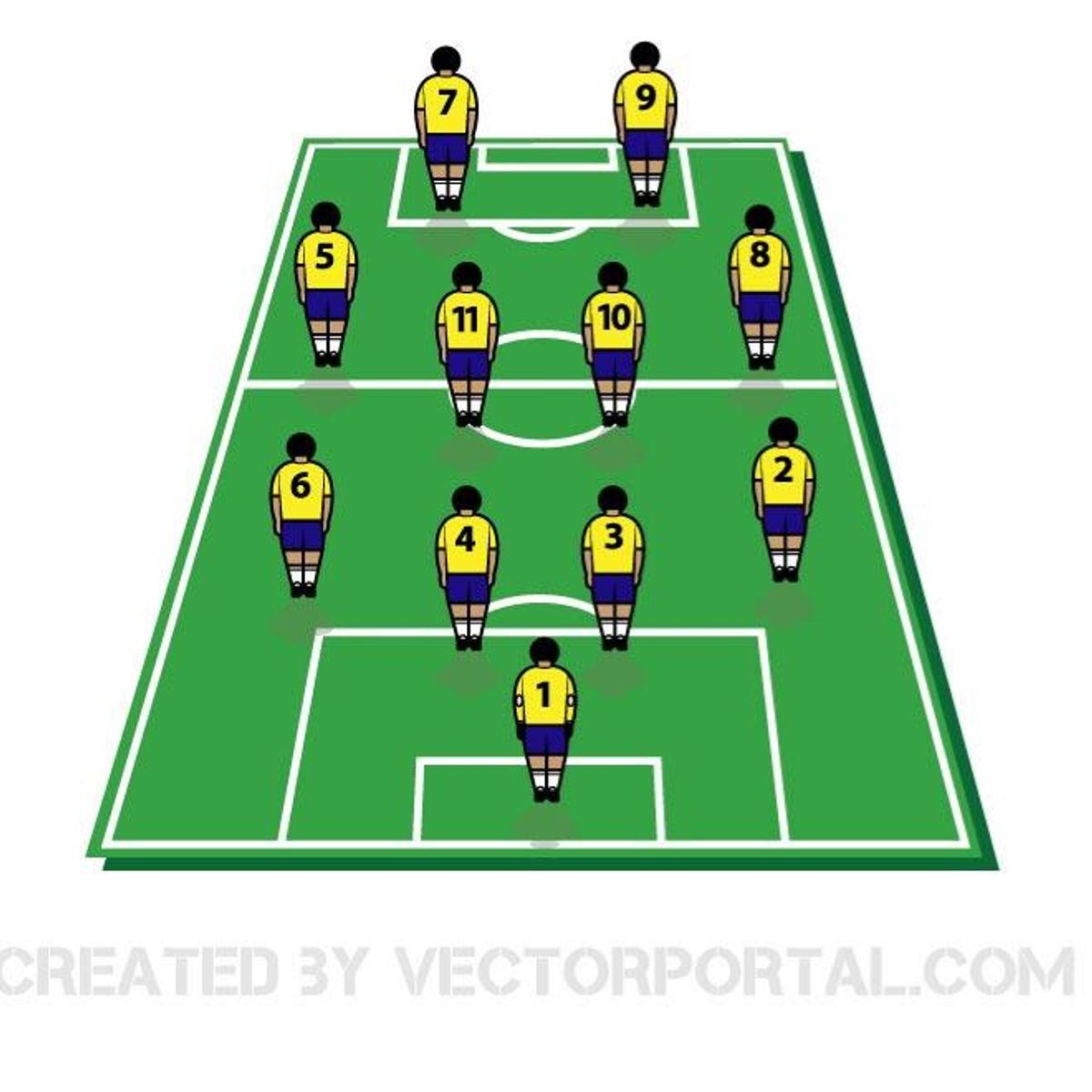
Soccer formations play a crucial role in determining a team’s strategy and style of play on the field. Understanding these formations is key to decoding the tactics and approach of any soccer team. In this article, we will delve into the importance of formations, key elements that define them, analyzing opponent formations, and adapting formations during a match.
Key Takeaways
- Soccer formations are essential in shaping a team’s defensive structure and attacking strategy.
- Player roles within a formation dictate their responsibilities and contributions to the team’s overall tactics.
- Tactical flexibility allows teams to adjust their formations based on the flow of the game and opponent’s strategies.
- Identifying weaknesses in opponent formations helps in creating effective game plans and exploiting vulnerabilities.
- In-game adjustments and counter-attacking tactics are crucial for teams to adapt and respond to changing scenarios during a match.
The Importance of Formations
Defensive Structure
In soccer, the defensive structure is the foundation of a team’s resilience. We prioritize a solid defense to ensure stability and to absorb the pressure from our opponents. A well-organized backline can deter attacks and provide a platform for counter-attacks. For instance, the 5-3-2 formation is designed to create a clear central focus with a bottom-heavy setup, emphasizing defense over attack.
- The central defenders are the linchpins, responsible for direct challenges and aerial duels.
- Full-backs or wing-backs provide width and support in both defense and transition phases.
- Defensive midfielders shield the backline and disrupt the opposition’s play.
By maintaining a compact shape, we reduce the space available for opponents to exploit and increase our chances of regaining possession. This approach is crucial when facing teams with potent attacking threats.
Understanding the roles and responsibilities within the defensive structure allows us to adapt to the flow of the game and the tactics employed by the opposition. It’s about finding the right balance between aggression and composure to nullify threats and launch effective counter-attacks.
Attacking Strategy
In soccer, the attacking strategy is the blueprint for how we create scoring opportunities. The formation we choose dictates the patterns of our play and influences the dynamics between players. For instance, a 4-3-3 formation allows for width and depth in attack, utilizing wingers and a central striker to stretch the defense.
The roles of midfielders in supporting the attack cannot be understated. They provide the link between defense and offense, often being the key to unlocking tight defensive units. Here’s how midfielders contribute to the attacking phase:
- They distribute the ball to attackers, setting the pace of the game.
- They support the forwards by making late runs into the box.
- They recycle possession and help maintain pressure on the opposition.
Our strategy must be fluid, adapting to the strengths and weaknesses of our opponents while maintaining a threat in front of goal. This requires not only physical skill but also mental agility and a deep understanding of the game’s nuances.
By analyzing the opponent’s formation, we can identify areas to exploit. For example, a team playing a high defensive line is vulnerable to quick counter-attacks and long balls over the top. It’s essential to have a plan but also to be ready to adapt when the situation calls for it.
Key Elements of Soccer Formations
Player Roles
In soccer, the roles of players are as pivotal as the positions they occupy on the field. Each role comes with specific responsibilities and expectations. For instance, a goalkeeper is the last line of defense, tasked with preventing the ball from entering the net, while defenders are the shield in front of them, often categorized into center-backs, full-backs, and wing-backs.
Midfielders are the engine room of the team, responsible for linking defense and attack. They can be further divided into defensive midfielders, central midfielders, and attacking midfielders, each with distinct duties. Strikers or forwards are the main threat to the opposition’s goal, and their primary objective is to score.
The synergy between these roles is what creates a cohesive team strategy. It’s not just about individual talent; it’s about how well players understand their roles and execute them in harmony with their teammates.
Understanding the nuances of each position can give us insights into a team’s overall strategy. Here’s a simple breakdown of player roles:
- Goalkeeper: Protects the goal
- Defenders: Secures the defensive line
- Midfielders: Connects the play between defense and attack
- Forwards: Leads the offensive charge
Tactical Flexibility
In the dynamic world of soccer, tactical flexibility is a cornerstone of any successful team. It’s the ability to adapt to the ebb and flow of the game, altering formations and strategies in response to the opponent’s moves. Bold decisions in tactical shifts can often be the difference between victory and defeat.
- Players must understand multiple roles and positions.
- Coaches need to prepare various game plans.
- Substitutions are crucial for injecting fresh tactics.
- The team’s mindset should embrace adaptability.
Tactical flexibility isn’t just about having a plan B; it’s about seamlessly transitioning between strategies to maintain the upper hand. It requires players to be versatile and intelligent, capable of reading the game and adjusting their play accordingly. This adaptability can unsettle opponents and exploit their weaknesses.
Analyzing Opponent Formations
Identifying Weaknesses
In our quest to decode an opponent’s strategy, we focus on identifying weaknesses within their formation. By scrutinizing their past matches, we can pinpoint patterns of vulnerability that may not be immediately obvious. For instance, a team that struggles against high pressing or one that leaves too much space between the lines can be exploited.
Space is a critical concept in soccer, and understanding how to use it against an opponent is key. Here’s a simple list of what to look for when analyzing a team’s defensive gaps:
- The distance between defenders
- The reaction time to counter-attacks
- The coverage of wide areas
- The ability to handle set-pieces
We must always be prepared to adapt our findings into our game plan, ensuring that we can capitalize on these weaknesses when the opportunity arises.
It’s not just about what we see on the pitch; data analytics play a significant role in this process. By leveraging statistics, we can make informed decisions on where and how to apply pressure, making our approach both strategic and data-driven.
Exploiting Space
In soccer, the art of exploiting space is crucial to breaking down the opponent’s defense. We focus on the spaces created by the forwards’ runs, which necessitates quick and intelligent ball movement. Our midfielders must be adept at recognizing when to deliver the ball into these pockets of space.
Timing is everything. The moment a defender steps out of position, we must capitalize. Here’s a simple list to ensure we’re on the same page:
- Monitor the defenders’ positioning
- Communicate effectively to signal space
- Execute quick passes to advance the ball
By maintaining a high tempo and using the width of the pitch, we stretch the opposition and create more opportunities to exploit.
Understanding the dynamics of space allows us to turn defense into attack seamlessly. It’s not just about the space itself, but how we use it to our advantage.
Adapting Formations During a Match
In-game Adjustments
We understand that soccer is a dynamic game, and the ability to adapt formations during a match is crucial for success. In-game adjustments can be the difference between winning and losing. These changes are often subtle but can significantly alter the flow of the game.
Flexibility is key when reacting to the state of the match. Whether we’re chasing a goal or defending a lead, our tactical shifts must be swift and decisive. Here’s a simple list of adjustments we might consider:
- Switching from a 4-4-2 to a 3-5-2 to add more presence in midfield
- Dropping a striker back to reinforce the defense in a 4-5-1
- Pushing full-backs forward in a 4-3-3 to increase attacking width
It’s essential to communicate these changes effectively to the team. A well-executed shift in formation can catch the opponent off guard and create new opportunities.
Remember, the best teams are those that can evolve their strategy on the fly, always staying one step ahead of the opposition.
Counter-attacking Tactics
In the realm of soccer, the art of the counter-attack is a thrilling spectacle that can turn the tide of any match. We understand that a successful counter-attack hinges on rapid transitions from defense to offense. The key is to exploit overload situations where we outnumber the opponent in a specific area of the pitch, creating opportunities for a decisive strike.
To orchestrate an effective counter-attack, we follow these steps:
- Regain possession with a focus on defensive solidity.
- Quickly identify the space available for a breakaway.
- Release the ball to pacey attackers who can surge forward.
- Support the attack with midfielders joining in to maintain pressure.
In essence, counter-attacking is about speed, precision, and the element of surprise. It’s a strategy that requires players to be alert and ready to transition at a moment’s notice.
By mastering counter-attacking tactics, we can catch opponents off-guard, especially when they are committed forward and vulnerable at the back. It’s a game of chess played at full sprint, where each move must be calculated with the intent to outpace and outmaneuver the opposition.
Conclusion
In conclusion, understanding soccer formations is crucial for decoding any team’s strategy on the field. By analyzing the different formations and their strengths and weaknesses, soccer enthusiasts can gain valuable insights into how teams approach the game. Whether you’re a player, coach, or fan, knowing the intricacies of formations can enhance your appreciation and understanding of the beautiful game. Stay tuned to Soccer Rondo for more educational content on soccer strategies, tips, and equipment reviews.
Frequently Asked Questions
What is the significance of soccer formations in a match?
Soccer formations dictate the team’s defensive and attacking strategies, helping players understand their roles on the field.
How do defensive structures vary in different soccer formations?
Defensive structures in soccer formations range from a compact defense with a backline of four to a more defensive approach with a backline of five or three.
What are the key player roles in soccer formations?
Player roles in soccer formations include defenders, midfielders, wingers, and strikers, each with specific responsibilities to contribute to the team’s overall strategy.
How can teams exploit space in opponent formations?
Teams can exploit space in opponent formations by using quick transitions, creating overloads in specific areas, and capitalizing on defensive vulnerabilities.
When should teams make in-game adjustments to their formations?
Teams should make in-game adjustments to their formations when facing challenges in breaking down the opponent’s defense or when needing to strengthen their own defensive setup.
What are counter-attacking tactics in soccer formations?
Counter-attacking tactics involve quickly transitioning from defense to offense to exploit the opponent’s vulnerabilities, often using fast and direct play.