
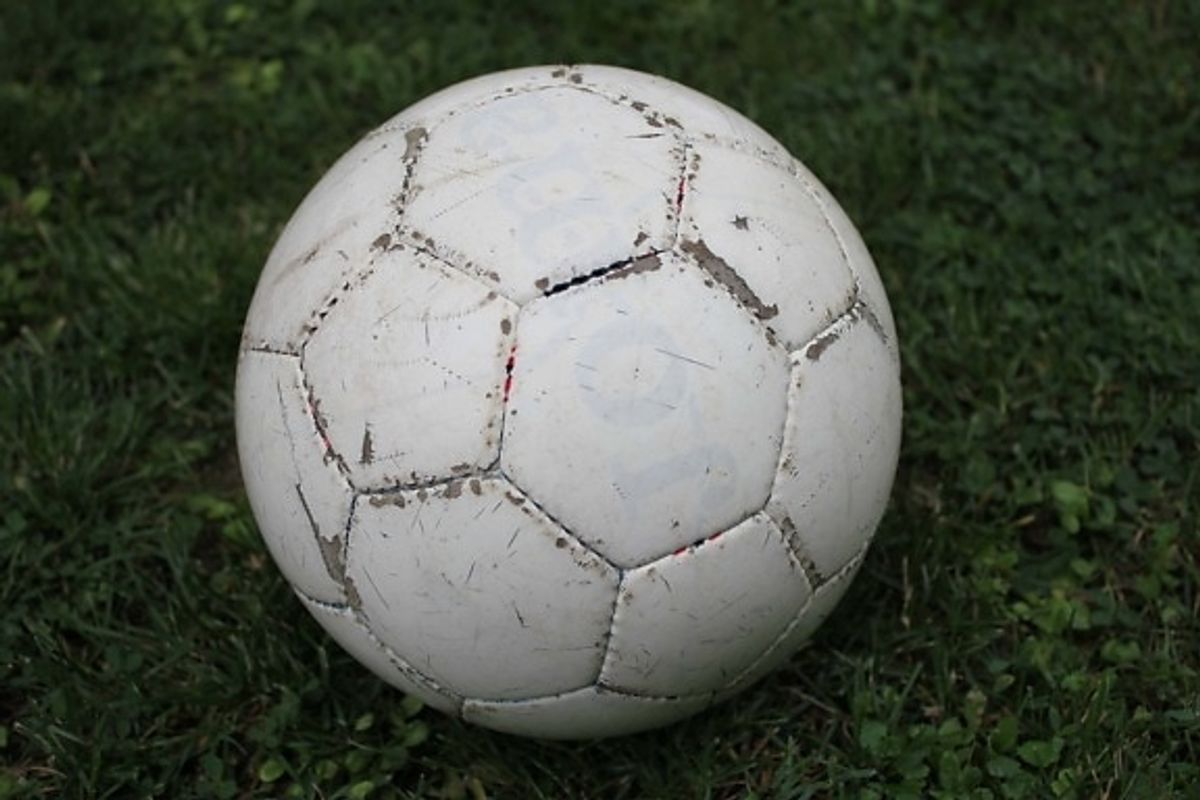
Soccer Rondo is a blog that educates users about the sport and the latest equipment. It includes tips and tricks, reviews, and explanations. In this article, we explore the evolution of soccer gear from its origins to the trends expected in 2023. Understanding the history of soccer gear helps us appreciate the revolutionary changes and modern trends shaping the future of the sport.
Key Takeaways
- The history of soccer gear reveals a fascinating journey of innovation and design.
- Revolutionary changes in soccer gear have been driven by the introduction of synthetic materials.
- Technology has significantly impacted the development of soccer gear, enhancing performance and comfort.
- Customization and personalization options in soccer gear offer players unique choices to express their style.
- Modern soccer gear trends focus on performance, sustainability, and the integration of smart technology.
The Origins of Soccer Gear
Early Innovations
As we delve into the history of soccer gear, it’s fascinating to take A Step Back in Time. The evolution of studded soccer boots is a prime example of early innovation in the sport. These boots, dating back to the 1800s, were a far cry from the lightweight designs we see today. Initially, players donned sturdy, heavy leather boots with metal studs or tacks hammered into them, providing essential traction on the pitch.
The transformation of these early versions was not just about improving comfort; it was about enhancing performance. Here’s a brief overview of the changes:
- Reduction in weight
- Introduction of more flexible materials
- Better fit and support
The quest for the perfect soccer boot has always been about balancing durability with agility. Over time, the heavy leather gave way to lighter, more adaptable materials, allowing players to move with greater freedom and speed.
These innovations laid the groundwork for the modern soccer gear we are familiar with today. They reflect a time when the sport was rapidly professionalizing, and the need for specialized equipment became evident.
Materials Used
In the early days of soccer, we saw a variety of materials being used, each with its own set of advantages and challenges. Leather was the predominant material for soccer balls and boots, prized for its durability and the control it offered on the ball. However, leather also had its downsides, such as its weight and its tendency to absorb water, making the ball heavier during play in wet conditions.
Fabrics played a crucial role in the making of jerseys, shorts, and socks. Natural fibers like cotton were widely used for their comfort and breathability, but they lacked the moisture-wicking properties that modern materials provide. Here’s a brief overview of the materials used in traditional soccer gear:
- Balls: Leather outer shell with a rubber or animal bladder interior
- Boots: Leather with metal or wooden studs
- Jerseys: Cotton or wool
- Shorts: Cotton or wool
- Socks: Cotton or wool blend
As we reflect on these materials, we recognize the balance they struck between the technology of the time and the needs of the players. The quest for better performance has always been at the heart of soccer gear evolution.
Looking ahead, we anticipate the continued use of innovative materials that offer enhanced performance, comfort, and sustainability. The evolution of soccer gear is a testament to our ingenuity and the ever-growing love for the beautiful game.
Evolution of Design
As we’ve traced the lineage of soccer gear, we’ve seen a remarkable transformation in design. From rudimentary beginnings to the sleek, aerodynamic kits of today, the aesthetic and functional aspects of soccer attire have evolved in tandem with the sport itself. The goalkeeper’s gloves, for instance, have undergone significant changes, reflecting broader trends in soccer gear design.
Goalkeepers’ gloves, once bulky and rudimentary, are now engineered for precision and grip, embodying the innovative spirit that drives the evolution of soccer gear. We’ve witnessed a shift from mere protective equipment to gear that enhances performance and instills confidence in players.
- Early gloves: Simple leather designs
- 1980s: Introduction of latex foam for better grip
- 2000s: Customized fits and enhanced finger protection
- Present: Use of advanced materials and ergonomic design
The design of soccer gear is not just about aesthetics; it’s a reflection of the sport’s ongoing quest for improvement and excellence. The gear has become an integral part of a player’s toolkit, influencing the way the game is played and experienced.
Looking ahead, we can expect to see further innovations that will continue to shape the essence of soccer gear. The relentless pursuit of perfection in design is a testament to the sport’s dynamic nature and its ability to adapt and evolve.
Revolutionary Changes in Soccer Gear
Introduction of Synthetic Materials
As we delve into the transformative era of soccer gear, we’ve witnessed the introduction of synthetic materials that have dramatically altered the landscape of soccer apparel and equipment. The shift from traditional materials like cotton and leather to advanced synthetics has not only improved the performance characteristics of soccer gear but also its durability and weather resistance.
Synthetic materials, such as polyester and polyurethane, have become staples in the production of soccer cleats, jerseys, and balls. These materials offer the advantage of being lightweight and providing better moisture management, which is crucial for players’ comfort and performance on the field.
- Soccer cleats have seen a significant evolution, with synthetic varieties offering superior grip and control.
- Jerseys made from synthetic fibers are now more breathable and allow for greater freedom of movement.
- Soccer balls with synthetic outer layers retain their shape better and are more responsive to touch.
In our journey through the evolution of soccer gear, the adoption of synthetic materials stands out as a pivotal moment that has set the stage for continuous innovation and improvement in the sport.
The market today offers a wide range of options, catering to different preferences and playing styles. For instance, the title: Soccer cleats guides: Knitted, leather and synthetic | Goal.com US, snippet: Soccer cleats come in various materials and styles. We’ve put together a guide for the best knitted, leather and synthetic cleats on the market, ensuring that players can choose gear that best suits their needs.
Impact of Technology
We’ve witnessed a remarkable transformation in soccer gear, largely due to the impact of technology. Advancements in sports equipment have not only enhanced athlete performance but also reduced the risk of injuries. This evolution has been a game-changer, ensuring that players are equipped with the best tools to excel on the field.
The integration of technology has extended beyond the pitch. It’s reshaped how fans engage with the sport, from social media interactions to immersive viewing experiences.
Here’s a look at how technology has revolutionized soccer gear:
- Use of data analytics to improve gear design and fit
- Development of injury-prevention technologies
- Implementation of wearable tech for performance tracking
- Enhanced materials for better durability and functionality
As we continue to embrace these technological innovations, we can expect soccer gear to become even more sophisticated, providing players with unparalleled support and safety.
Customization and Personalization
We’ve witnessed a significant shift towards customization and personalization in soccer gear, allowing players to express their individuality on the pitch. Bold statements are made not just through skills, but also through personalized gear. From boots to jerseys, the options for customization are vast and varied.
- Custom soccer jerseys
- Personalized cleats
- Engraved shin guards
- Monogrammed gloves
The ability to personalize gear has transformed the way players engage with the sport, fostering a deeper connection between the athlete and their equipment.
The Jacket Maker, for instance, offers an extensive range of customization options for soccer jerseys, perfect for both individuals and teams. This trend is not just about aesthetics; it’s about creating a sense of pride and belonging. Every stitch and color can tell a story, making each piece of gear unique to the player.
Trends in Modern Soccer Gear
Focus on Performance
In our quest for excellence on the pitch, we’ve seen a significant shift towards gear that prioritizes performance above all else. Players now demand equipment that enhances their natural abilities, ensuring that nothing holds them back from achieving their best. We’ve identified a trend where the aesthetics of soccer gear take a backseat to functionality and efficiency.
Comfort, fit, and the ability to perform under various playing conditions are now at the forefront of design considerations. Manufacturers are constantly innovating to meet these demands, often employing advanced materials and ergonomic designs to provide the best possible experience for athletes.
The focus on performance has led to the development of gear that is not only lighter and stronger but also tailored to the specific needs of the player.
Here’s a look at how modern soccer gear is enhancing player performance:
- Lightweight materials reduce fatigue and allow for greater agility.
- Enhanced grip and traction on cleats improve control and stability.
- Moisture-wicking fabrics keep players dry and comfortable.
- Aerodynamic designs minimize air resistance and maximize speed.
While not as flashy as some cleats, its focus on performance and functionality makes it a reliable choice for players who prioritize substance over style.
Sustainability Practices
As we continue to witness the evolution of soccer gear, our collective conscience has steered us towards sustainability practices. The industry’s commitment to reducing environmental impact is evident in the adoption of eco-friendly materials and production methods. We’ve seen a significant shift towards the use of recycled plastics and organic cotton in soccer apparel, a move that not only benefits the planet but also resonates with the values of our community.
Embracing sustainability is not just about the materials; it’s a holistic approach that encompasses the entire lifecycle of soccer gear. From design to disposal, every step is scrutinized to ensure minimal environmental footprint.
Here’s a quick look at some of the key sustainable initiatives adopted by major brands:
- Introduction of kits made from upcycled ocean plastic.
- Implementation of zero-waste production techniques.
- Partnerships with environmental organizations to promote and support sustainability in sports.
These efforts reflect a growing trend that is likely to continue shaping the future of soccer gear. As we look ahead, we anticipate further innovations that will solidify the bond between the sport and its dedication to the environment.
Integration of Smart Technology
We’ve witnessed a significant shift towards the integration of smart technology in soccer gear, aiming to enhance both player performance and fan engagement. Smart fabrics and wearables are now commonplace, providing real-time data on player performance metrics such as heart rate, distance covered, and speed. These advancements are not just revolutionizing training methods but also the way we understand and enjoy the game.
Smart technology is not limited to professional leagues; it’s becoming increasingly accessible to amateur players and enthusiasts. For instance, TOCA Football’s technology offers advanced training programs that are tailored to individual needs, effectively Revolutionizing the Game.
The potential of smart technology in soccer gear is immense, promising a future where data-driven insights become integral to the sport’s evolution.
Here’s a glimpse of what smart technology in soccer gear includes:
- Wearable fitness trackers
- GPS-enabled vests
- Smart soccer balls
- Performance monitoring apps
Conclusion
In conclusion, the evolution of soccer gear has been a fascinating journey that has significantly impacted the sport over the years. From the early days of rudimentary equipment to the cutting-edge gear available today, soccer gear has continuously evolved to enhance performance and player safety. Looking ahead to 2023, we can expect further innovations and advancements in soccer gear technology, catering to the needs of modern players. Soccer Rondo, with its informative blog content, plays a crucial role in keeping enthusiasts updated on the latest trends and developments in soccer gear. As the sport continues to evolve, so will the gear, ensuring that players have the best tools at their disposal to excel on the field.
Frequently Asked Questions
What are the key factors that have influenced the evolution of soccer gear over time?
The evolution of soccer gear has been influenced by factors such as technological advancements, changes in materials used, and the focus on performance and player safety.
How have synthetic materials revolutionized soccer gear?
Synthetic materials have revolutionized soccer gear by offering lightweight, durable, and moisture-wicking properties that enhance player performance and comfort.
What role does technology play in modern soccer gear design?
Technology plays a significant role in modern soccer gear design by enabling innovations like smart fabrics, GPS tracking systems, and advanced impact protection technologies.
Why is customization and personalization important in soccer gear?
Customization and personalization in soccer gear allow players to express their individuality, enhance comfort and fit, and create a sense of identity and belonging within their team.
How are sustainability practices integrated into the production of soccer gear?
Sustainability practices are integrated into the production of soccer gear through the use of eco-friendly materials, recycling programs, and ethical manufacturing processes to reduce environmental impact.
What are the benefits of incorporating smart technology into soccer gear?
Incorporating smart technology into soccer gear can provide real-time performance data, injury prevention insights, and personalized training programs to optimize player performance and minimize the risk of injuries.