
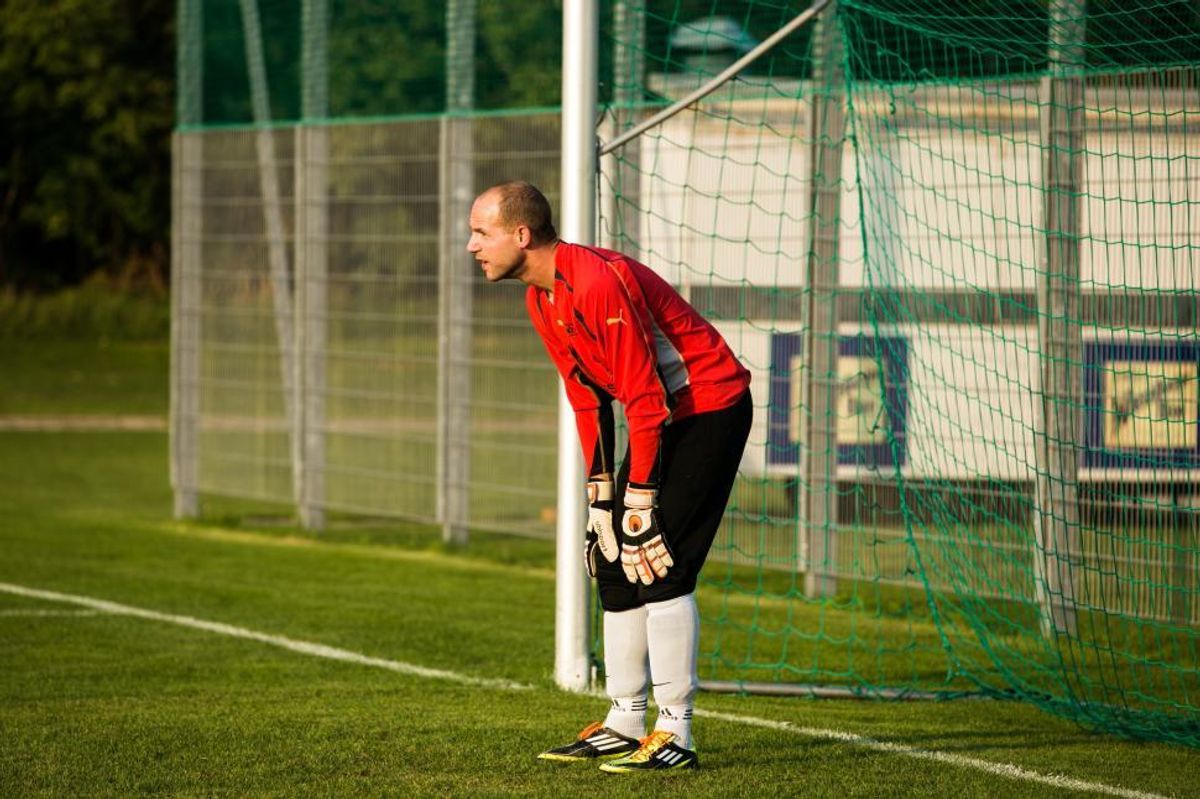
Soccer Rondo is a blog that educates users about the sport and the latest equipment. It includes tips and tricks, reviews, and explanations. When it comes to selecting goalkeeper gloves, understanding the key features and considerations is crucial. From material quality to sizing and fit, as well as durability and longevity, here’s what you need to know before choosing your next pair of gloves.
Key Takeaways
- Material quality directly impacts grip and comfort.
- Grip technology enhances ball control and handling.
- A secure wrist closure system provides stability and support.
- Accurate sizing ensures optimal fit and performance.
- Proper maintenance prolongs the lifespan of goalkeeper gloves.
Key Features to Consider
Material Quality
When we’re on the hunt for new goalkeeper gloves, we always start with the material quality. It’s the foundation of comfort, durability, and performance. The latex used in the palm area is particularly crucial, as it directly affects grip and ball control. High-quality German latex, for instance, is renowned for its superior stickiness and resilience.
- German Contact latex
- Superior stickiness
- Resilience
Remember, the better the material, the more confidence you’ll have in every catch and throw. Investing in top-notch materials means investing in your performance as a goalkeeper.
Different materials also offer varying degrees of breathability and flexibility. It’s essential to find a balance that suits your playing style and the conditions you typically play in.
Grip Technology
When we’re on the hunt for new goalkeeper gloves, the grip is a feature we can’t afford to overlook. The quality of the grip can make or break our performance during those critical saves. Different gloves offer various types of latex grips, each designed to perform under specific conditions. For instance, some are optimized for wet weather, while others are made for dry conditions.
Latex is the key material that provides the tackiness we need for that unbeatable grip. However, not all latex is created equal. Here’s a quick rundown of the common latex types you might encounter:
- Contact Latex: Offers the best stickiness and durability, ideal for professional play.
- Supersoft Latex: Provides good grip and cushioning, suitable for training and lower-level matches.
- Giga Grip Latex: Balances between grip and durability, a versatile choice for various playing conditions.
Remember, the grip’s effectiveness is also influenced by how well we take care of our gloves. Regular cleaning and proper maintenance are essential to preserve the grip quality.
Lastly, the backhand of the glove also plays a role in how we handle the ball. It should offer enough flexibility and protection to allow for confident catches and punches. Unveiling the game-changing tech in goalkeeper gloves isn’t just about the palm—it’s a holistic approach that includes the backhand protection and the stitch magic that holds it all together.
Wrist Closure System
When we consider the wrist closure system of goalkeeper gloves, we’re looking at the key to ensuring a secure fit that prevents gloves from slipping during the most critical moments of the game. A proper wrist closure can significantly enhance your performance by providing the necessary support and stability.
- Traditional elastic straps are common, but they may allow for excessive wrist movement.
- Innovative designs, such as buckle or Velcro closures, offer a more customizable and snug fit.
- Some gloves feature an extended palm that wraps around the wrist for additional support.
It’s essential to choose a wrist closure that feels comfortable yet firm, as it will affect your ability to react and make those game-saving catches.
Remember, the wrist closure is not just about keeping the glove on; it’s about maximizing your control and confidence in every dive and block. Experiment with different closure systems to find the one that feels the most natural and supportive for your style of play.
Sizing and Fit Guide
Measuring Your Hand
Before we dive into the vast array of goalkeeper gloves available, it’s crucial that we start with the basics: measuring your hand. This is the foundation for finding the perfect fit, ensuring maximum comfort and performance on the field. To measure your hand accurately, you’ll need a flexible tape measure.
- Wrap the tape measure around the widest part of your hand, excluding the thumb, and record the circumference.
- Next, measure the length of your hand from the tip of your middle finger to the base of your palm.
Remember, a well-measured glove is like a second skin; it should feel snug but not restrictive, allowing for full range of motion and sensitivity.
Once you have these measurements, refer to the brand’s sizing chart to find the corresponding glove size. Keep in mind that sizes can vary between brands, so it’s important to check each brand’s specific chart. If you’re in between sizes, consider whether you prefer a tighter or a looser fit. This will affect your control and the feel of the ball during play.
Finding the Right Size
Once we’ve measured our hands, the next step is to find the right size that offers both comfort and control. Goalkeeper gloves should fit snugly, allowing for maximum feel of the ball and control during play. It’s essential to refer to specific brand size charts, as sizes can vary between manufacturers.
For instance, consider the Nike size chart for both adults and kids’ goalkeeper gloves. It’s crucial to use the chart to determine the right size for you. Remember to scroll horizontally if you’re viewing it on a mobile device to see all available sizes.
When trying on goalkeeper gloves, make sure there’s a bit of room at the top of each finger. This ensures that the gloves won’t be too tight and restrict movement, while also providing a small buffer against powerful shots.
Lastly, don’t forget that the fit can also be affected by the wrist closure system, which we’ll explore in more detail later in the article.
Adjusting for Comfort
Once you’ve measured your hand and found the right size, adjusting your goalkeeper gloves for comfort is crucial. A well-fitted glove not only enhances your performance but also minimizes the risk of injury. Start by checking the fit around your fingers; they should have a snug feel without being too tight, allowing for flexibility and breathability.
- Ensure the gloves are snug around the fingers and backhand
- Leave a bit of room at the fingertips for movement
- Adjust the wrist straps for a secure, yet comfortable fit
Remember, the fit should be secure enough to prevent the gloves from slipping, but not so tight that it restricts movement or circulation. Take the time to flex your hands in the gloves, simulating the motions you’ll make during a game.
Lastly, consider the conditions you’ll be playing in. If you’re playing in wet weather, look for gloves with a tighter wrist closure to prevent water from seeping in. For hotter climates, a more ventilated backhand might be necessary to keep your hands cool. Comfort is key, and a little time spent adjusting your gloves can make a significant difference in your game.
Durability and Longevity
Stitching and Seam Quality
When we’re on the lookout for a new pair of goalkeeper gloves, we often focus on the more obvious features like grip and padding. However, the stitching and seam quality are just as crucial for both performance and durability. A well-stitched glove can mean the difference between a pair that lasts a season and one that gives out after a few matches.
Stitching isn’t just about durability; it also affects the fit and feel of the glove. For example, the Sirius Black UGT+ – N1 Goalkeeper Gloves USA boast a negative cut, which is stitched from the inside, offering a snug fit that conforms closely to the hands. This design detail can enhance your control and connection with the ball, making those critical saves when it counts.
The right stitching technique can significantly improve the glove’s overall performance.
Here’s a quick breakdown of common stitching types found in goalkeeper gloves:
- Flat Palm: Traditional and comfortable, with seams on the edges.
- Rolled Finger: Stitching around the fingers for a ball-hugging fit.
- Negative Cut: Seams are inside for a tighter fit and better ball feel.
- Hybrid Cut: Combines different styles for a tailored fit and feel.
Impact Resistance
When we’re on the field, the last thing we want to worry about is whether our gloves can withstand the force of a speeding ball. Impact resistance is crucial for not only protecting our hands but also for maintaining the integrity of the gloves over time. High-quality goalkeeper gloves will feature padding that absorbs shock and distributes the force evenly across the glove.
Durability is a key factor in impact resistance. Gloves with reinforced areas, especially around the fingers and palms, tend to offer better protection. Here’s a quick tip for when you first get your gloves:
To ensure your gloves are ready for action, remember to remove the protective film that often covers new gloves. This can be done by soaking them in warm water for a few minutes before peeling the film away.
It’s also worth noting that different brands and models will vary in their ability to resist impact. We’ve compiled a list of features to look for:
- Shock-absorbing foam layers
- Reinforced stitching in high-stress areas
- Anatomically designed finger protection
By paying attention to these details, we can ensure that our gloves will help us perform at our best while offering the necessary protection.
Cleaning and Maintenance
Maintaining the condition of your goalkeeper gloves is crucial for ensuring their longevity and performance. Always use your hands or a soft cloth to wash them, as harsh scrubbing can damage the latex grip surfaces and padding. It’s important to avoid any abrasive scourer or harsh cleaning fluids that can degrade the materials.
Regular cleaning not only preserves the gloves but also maintains the grip quality. After each use, rinse the gloves with lukewarm water to remove dirt and sweat.
Here’s a simple guide to cleaning your gloves:
- Rinse gloves with lukewarm water.
- Apply a mild detergent if necessary.
- Gently clean with hands or a soft cloth.
- Rinse thoroughly to remove all soap.
- Air dry away from direct sunlight and heat sources.
Conclusion
In conclusion, when choosing your next pair of goalkeeper gloves, it is important to consider factors such as grip, durability, and fit. Soccer Rondo, a blog dedicated to educating users about the sport and the latest equipment, provides valuable tips and tricks, reviews, and explanations to help you make an informed decision. Remember to prioritize comfort and performance to enhance your goalkeeping experience on the field.
Frequently Asked Questions
What is the importance of material quality in goalkeeper gloves?
Material quality directly affects the durability and performance of the gloves, providing better grip and protection for goalkeepers.
How does grip technology enhance goalkeeper gloves?
Grip technology improves the ability to catch and hold onto the ball, especially in wet conditions, giving goalkeepers better control during matches.
Why is the wrist closure system crucial in goalkeeper gloves?
The wrist closure system ensures a secure and comfortable fit, preventing the gloves from slipping off during intense gameplay and offering added support to the goalkeeper’s wrists.
How should I measure my hand for the right glove size?
Measure the circumference of your palm just below the knuckles, and refer to the sizing chart provided by the manufacturer to find the appropriate size for your hand.
What can I do to adjust goalkeeper gloves for better comfort?
You can adjust the fit by tightening or loosening the wrist closure system and ensuring that the gloves are snug but not too tight, allowing for flexibility and comfort during use.
How should I clean and maintain my goalkeeper gloves for longevity?
To prolong the life of your gloves, gently hand wash them with mild soap and water, avoid heat exposure, and allow them to air dry naturally to maintain their grip and durability.