
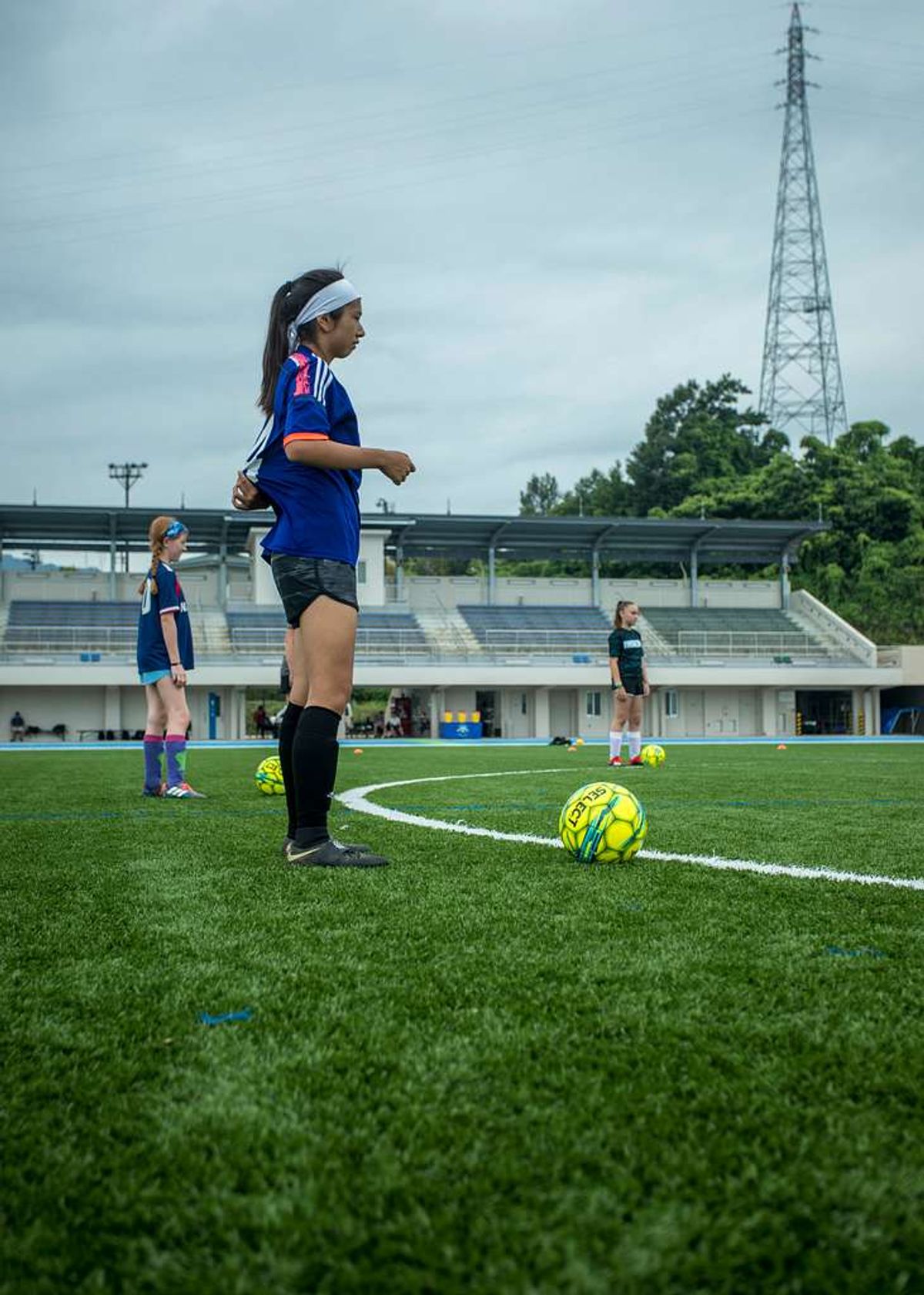
Soccer training sessions play a crucial role in enhancing team cohesion among players. By focusing on key elements and strategies, teams can improve their performance on the field and strengthen their bond as a unit. In this article, we will explore the importance of team cohesion in soccer training, the key elements of effective training sessions, and strategies for maximizing team performance.
Key Takeaways
- Building Trust and Communication are essential for team cohesion in soccer training sessions.
- Structured Drills and Exercises help in maintaining player engagement and participation during training sessions.
- Setting Clear Goals and Objectives is crucial for maximizing team performance on the field.
- Utilizing Tactical Drills enhances players’ understanding of game strategies and improves team coordination.
- Implementing Team Bonding Activities fosters unity and collaboration among team members.
Importance of Team Cohesion in Soccer Training
Building Trust and Communication
In our quest to enhance team cohesion, we’ve recognized that the foundation lies in building trust and communication. Trust is the bedrock of any successful team, and it’s through clear and consistent communication that we can foster this essential element. We emphasize the importance of dialogue both on and off the field, ensuring that every team member feels heard and valued.
- Encourage open discussions about tactics and strategies
- Promote transparency in roles and expectations
- Facilitate regular team meetings to address concerns and celebrate successes
By prioritizing communication, we create a space where players are comfortable to express themselves and are more likely to buy into the team’s vision and goals.
Our approach aligns with the insights from the title: Soccer Communication: Key Strategies for Success, which underscores the role of effective communication in building trust among coaches, parents, and young players. It’s imperative that all parties involved are open and honest, creating a positive environment for our players to thrive.
Fostering Unity and Collaboration
In our quest to foster unity and collaboration within our team, we’ve discovered that the key lies in embracing the core principles of teamwork. Effective teamwork in sports is built on several core principles, including trust, communication, mutual respect, and shared goals. These elements are the bedrock of a cohesive team, and we strive to weave them into the fabric of our daily practice.
To ensure that every player is on the same page, we’ve implemented a series of collaborative drills that require players to work together towards a common objective. This not only improves their technical skills but also reinforces the importance of working as a single unit.
Here’s a glimpse into how we structure our collaborative efforts:
- Encouraging open communication during drills
- Assigning shared tasks that necessitate mutual support
- Celebrating collective achievements to boost morale
By consistently applying these strategies, we’ve seen a remarkable improvement in our team’s ability to work together on the field. It’s a testament to the fact that unity and collaboration are not just concepts, but actionable attributes that can be developed with intention and practice.
Creating a Positive Team Environment
In our journey to enhance team cohesion, we’ve discovered that fostering a positive team environment is crucial. We thrive when every player feels valued and supported, both on and off the pitch. This sense of belonging encourages players to express themselves without fear of judgment, leading to a more cohesive unit.
To maintain this environment, we focus on recognizing individual efforts and celebrating team successes equally. It’s not just about winning; it’s about growing together as a team.
Here are some ways we cultivate positivity:
- Encouraging open communication
- Promoting mutual respect among players
- Organizing team-building activities
By prioritizing these aspects, we lay the foundation for a team that’s not just skilled, but also united in its pursuit of excellence. Remember, a team that laughs together, wins together.
Key Elements of Effective Training Sessions
Structured Drills and Exercises
In our training sessions, we prioritize structured drills and exercises that are designed to mirror real-game situations. This approach not only sharpens individual skills but also enhances our team’s tactical understanding. We’ve found that a mix of technical drills, such as passing patterns and shooting exercises, combined with tactical simulations, like positional play and transition games, yields the best results.
Consistency is key in our drills. We aim to create a routine that players can become familiar with, which helps in building muscle memory and decision-making speed. Here’s a simple breakdown of our weekly drill structure:
- Monday: Technical skills and ball control
- Wednesday: Tactical awareness and positional play
- Friday: High-intensity transition and finishing drills
By maintaining a balance between technical proficiency and tactical knowledge, we ensure that our players are well-equipped to handle the pressures of match day.
We also draw inspiration from various sources, such as ‘The Art of Soccer Defending – Soccer Mastermind,’ which emphasizes the importance of defensive drills that simulate match scenarios. Incorporating these into our sessions has significantly improved our defensive cohesion.
Player Engagement and Participation
In our quest to enhance team cohesion, we’ve discovered that player engagement is pivotal. It’s not just about the drills; it’s about how each player is mentally and emotionally involved in the process. We strive to create sessions where every player feels valued and challenged, leading to more effective training outcomes.
- Encourage open communication
- Provide individualized attention
- Celebrate small victories
By fostering an environment where players are actively participating, we’re not only improving skills but also building a stronger team fabric.
We also focus on the role of coaching in fostering engagement. A coach’s ability to connect with players, understand their needs, and tailor feedback is crucial. This personal touch can make the difference between a disengaged participant and a motivated team player.
Feedback and Reflection
We understand that the cornerstone of improvement in our training sessions lies in consistent feedback and reflection. After each drill, we take the time to gather around and discuss what went well and what could be better. This open dialogue fosters a culture of continuous learning and accountability among us.
Feedback should be immediate and specific to be effective. We’ve found that using a simple feedback model helps us stay on track. Here’s an example of how we structure our feedback sessions:
- What was the objective of the drill?
- What were the outcomes?
- What actions contributed to success or need improvement?
- How can we apply these insights to future drills?
By reflecting on our performance, we not only pinpoint areas for improvement but also reinforce positive behaviors that contribute to our team’s success.
We also recognize the importance of leading oneself in the process of growth. As highlighted by the U.S. Soccer Learning Center, reflective practice is a key mechanism for sense-making. It’s essential that we, as a team, embrace this practice to understand the wider context of our development and the importance of our journey together.
Strategies for Maximizing Team Performance
Setting Clear Goals and Objectives
As we embark on a new season, we understand the importance of aligning our team’s aspirations with actionable objectives. We start with a team meeting to discuss our goals and values, ensuring that every player is on the same page. This early alignment is crucial for setting the tone for the season ahead.
To ensure that our goals are both ambitious and attainable, we break them down into individual and team milestones. Each player is encouraged to set personal goals that contribute to the team’s success, fostering a sense of responsibility and commitment.
By clearly defining what we aim to achieve, we create a roadmap for our progress. This clarity helps us stay focused and motivated, even when we face challenges.
Here’s a simple framework we use to set our goals:
- Identify the long-term team objectives
- Break down the objectives into smaller, manageable tasks
- Assign specific goals to individual players
- Regularly review and adjust goals as needed
By following this approach, we ensure that our goals are not just wishes but actionable plans that drive us towards excellence.
Utilizing Tactical Drills
In our quest to maximize team performance, we’ve found that utilizing tactical drills is indispensable. These drills are designed to simulate match scenarios, allowing players to practice and perfect their responses to various in-game situations.
Strategy is at the heart of soccer, and by focusing on tactical drills, we ensure that our players are not only physically prepared but also mentally sharp. We often break down these drills into specific components:
- Positional play and movement
- Transitioning between defense and offense
- Set pieces execution
By repeatedly practicing these elements, players develop a deeper understanding of their roles and how they fit into the team’s overall strategy.
It’s crucial that we assess the effectiveness of these drills. We do this by setting measurable goals for each session and reviewing performance data. This approach helps us to refine our tactics continuously and adapt our training to the evolving dynamics of the team.
Implementing Team Bonding Activities
In our quest to enhance team cohesion, we’ve found that implementing team bonding activities is pivotal. These activities are not just about having fun; they’re a strategic tool to forge stronger connections between players. Team bonding is the glue that holds our team together during both triumphant victories and challenging defeats.
Team dinners, game nights, and off-field outings are some of the informal ways we encourage players to bond. These gatherings allow teammates to interact in a relaxed setting, fostering friendships that translate into better on-field chemistry.
- Team dinners: Sharing meals to discuss life beyond soccer
- Game nights: Building camaraderie through friendly competition
- Off-field outings: Exploring shared interests and creating lasting memories
By dedicating time to team bonding activities, we ensure that every player feels valued and connected. This sense of belonging is crucial for maintaining high morale and motivation throughout the season.
Conclusion
In conclusion, effective training sessions play a crucial role in enhancing team cohesion in soccer. By implementing structured drills and exercises, teams can improve communication, coordination, and teamwork on the field. Soccer Rondo, a blog dedicated to educating users about the sport and the latest equipment, provides valuable insights and resources for coaches and players looking to elevate their training sessions. With a focus on continuous improvement and collaboration, teams can strive for success and unity in every match.
Frequently Asked Questions
What is the importance of team cohesion in soccer training?
Team cohesion in soccer training is crucial for building trust and communication among players, fostering unity and collaboration, and creating a positive team environment that enhances overall performance.
What are the key elements of effective training sessions?
Effective training sessions in soccer include structured drills and exercises that target specific skills, player engagement and participation to keep the team motivated, and feedback and reflection to improve individual and team performance.
How can setting clear goals and objectives maximize team performance?
Setting clear goals and objectives helps the team focus on specific outcomes, track progress, and stay motivated towards achieving success in training sessions and matches.
What are tactical drills and how do they enhance team performance?
Tactical drills in soccer training involve practicing strategic plays, formations, and game scenarios to improve decision-making, teamwork, and overall performance on the field.
Why are team bonding activities important for soccer teams?
Team bonding activities help strengthen relationships, trust, and communication among players, fostering a sense of unity and camaraderie that translates into improved teamwork and performance on the field.
How can Soccer Rondo help players and teams improve their performance?
Soccer Rondo provides valuable insights, tips, and reviews on soccer training, equipment, and strategies, helping players and teams enhance their skills, knowledge, and performance on and off the field.