
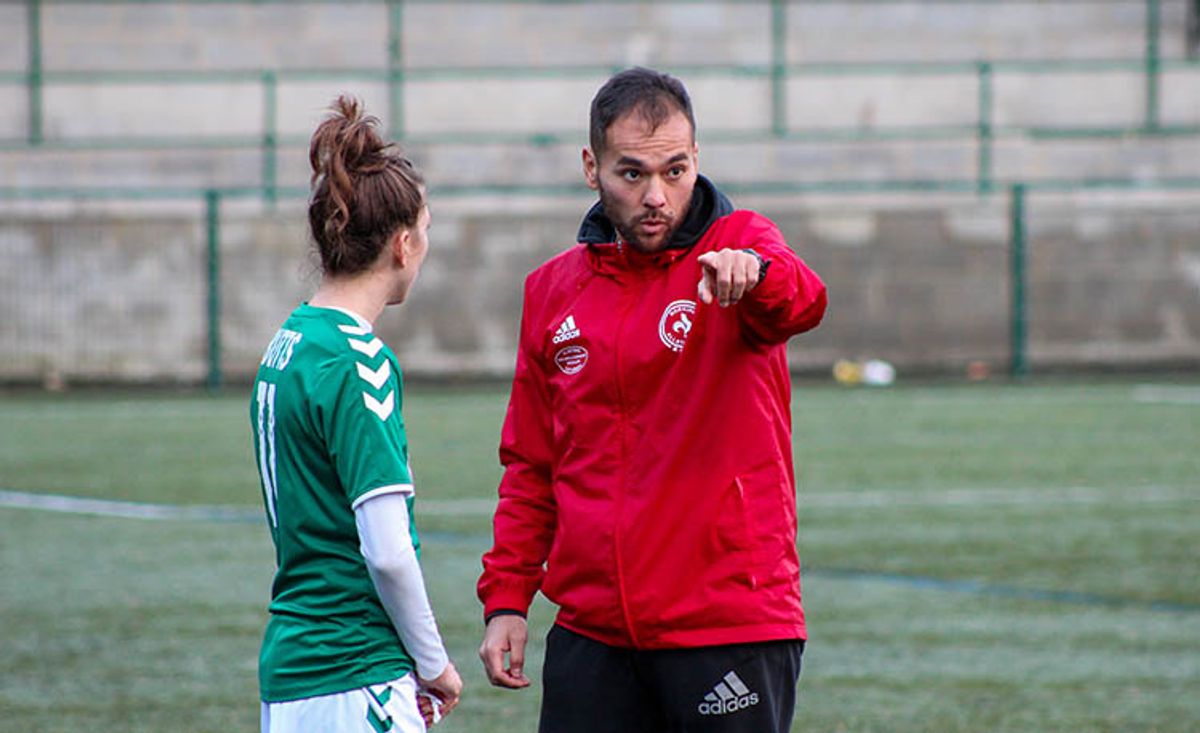
In the world of youth soccer coaching, developing tactical awareness is crucial for the growth and success of players. Coaches play a vital role in shaping young athletes into well-rounded individuals on and off the field. This article focuses on key strategies to enhance tactical awareness, communication skills, and the use of technology in youth soccer coaching, aiming to provide valuable insights for coaches looking to elevate their coaching approach.
Key Takeaways
- Understanding player positions is essential for developing tactical awareness in youth soccer players.
- Implementing game strategies helps players adapt to different game situations and enhances their decision-making skills.
- Teaching defensive techniques is crucial for building a strong defensive line and preventing opponents from scoring.
- Enhancing communication skills on the field fosters teamwork, trust, and effective coordination among players.
- Utilizing technology for training and analysis enables coaches to track performance metrics, analyze game footage, and conduct virtual training sessions for enhanced player development.
Developing Tactical Awareness in Youth Soccer Players
Understanding Player Positions
In our journey to develop tactical awareness among youth soccer players, we recognize the importance of understanding player positions. Each position on the soccer field has unique responsibilities and requires specific skills. It’s not just about where a player stands; it’s about knowing when to move, where to pass, and how to support teammates.
Roles and responsibilities vary from defense to attack, and it’s crucial that players learn these early on. We start with the basics, ensuring that each player understands their position in relation to the ball, their teammates, and the opponents. Here’s a simple breakdown of positions:
- Goalkeeper: The last line of defense and the first initiator of attacks.
- Defenders: Responsible for stopping the opposition and starting the play from the back.
- Midfielders: The link between defense and attack, controlling the game’s tempo.
- Forwards: The main attackers, tasked with scoring and creating chances.
By instilling a deep understanding of these roles, we lay the foundation for a more cohesive and strategically sound team. Mastery of positions leads to a stronger, more unified squad, where players can anticipate each other’s movements and make smarter decisions on the field.
Understanding and mastering these positions isn’t just about individual skill; it’s about enhancing the collective strength of a team. We aim to create a fluid and adaptable team that can confidently navigate the complexities of the game.
Implementing Game Strategies
As we delve into the realm of game strategies, it’s crucial to recognize that each player’s understanding of their role within the team’s strategy is fundamental. We emphasize the importance of dynamic positioning and decision-making that adapts to the flow of the game. To facilitate this, we often break down strategies into digestible components during practice sessions.
It’s not just about having a game plan; it’s about the players’ ability to execute it under pressure and adapt as the game evolves.
Here’s a simple list to ensure that our young athletes internalize the strategies we teach:
- Start with the basics of formation and positioning.
- Gradually introduce more complex plays.
- Conduct regular scenario-based drills.
- Encourage players to analyze and discuss different game situations.
By fostering teamwork and developing skills, we ignite the passion in our young aspiring athletes, which is essential for successful team management. Our goal is to create a cohesive unit that can think on its feet and make smart decisions in the heat of the moment.
Teaching Defensive Techniques
After mastering the basics of defense, we move on to more advanced concepts. Proper positioning is crucial for young players to understand how to effectively support their teammates and cover open spaces. We emphasize the importance of anticipation and reading the game, which allows players to react quickly to the opposition’s moves.
- Recognize the opponent’s attacking patterns
- Communicate with teammates to organize the defensive line
- Practice drills that simulate real-game scenarios
It’s essential to instill a sense of responsibility in each player to track their direct opponent, while also being aware of the overall team shape. This dual focus helps in developing a cohesive defensive unit.
Defensive drills prioritize tackling techniques that ensure player safety, focusing on proper timing and technique to win the ball without unnecessary risks. We also incorporate exercises that improve agility and decision-making under pressure, which are key to a strong defensive performance.
Enhancing Communication Skills on the Field
Encouraging Team Collaboration
In our journey to foster a cohesive team environment, we’ve learned that team collaboration is pivotal. It’s not just about individual skills, but how players work together on the field. To enhance teamwork, we focus on a few key strategies:
- Establishing clear roles and responsibilities for each player
- Conducting regular team-building exercises
- Promoting open communication during practice and games
One effective approach we’ve adopted is the use of small-sided games during training sessions. These games encourage players to interact more frequently and make quick decisions, which translates to better collaboration during matches.
By emphasizing the importance of each player’s contribution to the team’s success, we create a supportive atmosphere where players feel valued and motivated to work together.
Remember, the goal is to develop a unit that moves and thinks as one. When we achieve this, we see significant improvements not only in our players’ tactical understanding but also in their overall performance.
Improving Verbal and Non-Verbal Communication
As we delve into the nuances of communication on the soccer field, we recognize the pivotal role it plays in the fluidity and success of our team’s play. Effective communication is not just about shouting directions; it’s about conveying clear, concise messages that can be understood amidst the chaos of the game.
Verbal cues are essential, but we also emphasize the importance of non-verbal signals. A well-timed gesture or a pointed look can convey as much information as a shouted instruction. To foster these skills, we incorporate specific drills that focus on non-verbal communication, such as:
- Eye contact exercises
- Hand signal drills
- Positional awareness activities
We remind our players that a silent field is a disconnected one. Encouraging them to constantly communicate helps to build a cohesive unit that can adapt to the dynamic nature of soccer.
By integrating these practices into our training sessions, we aim to create an environment where players feel confident in their ability to both send and receive crucial information without hesitation.
Building Trust among Players
After establishing a foundation of effective communication, we must turn our attention to fostering a deep sense of trust among our players. Trust is the cornerstone of any successful team, and it’s particularly vital in the dynamic environment of youth soccer. We’ve learned that trust doesn’t just happen; it must be carefully cultivated through consistent actions and shared experiences.
To build this trust, we start by ensuring that every player understands their role and the importance of their contributions. We create a supportive atmosphere where mistakes are viewed as learning opportunities rather than failures. This approach encourages players to take risks and express themselves without fear of criticism.
In our experience, trust is further reinforced when players are involved in decision-making processes. This inclusion gives them a sense of ownership and responsibility for the team’s success.
We also emphasize the value of teamwork and collective achievement over individual accolades. By celebrating team milestones and setting group goals, we create a unified vision that all players can rally behind. Here’s a simple list of actions we take to promote trust:
- Encourage open communication among players
- Recognize and reward collaborative efforts
- Conduct team-building exercises
- Share leadership roles among team members
By integrating these practices into our coaching, we lay the groundwork for a cohesive and resilient team, where trust thrives and players are empowered to perform at their best.
Utilizing Technology for Training and Analysis
Integrating Video Analysis Tools
In our quest to enhance our team’s performance, we’ve turned to video analysis tools as a cornerstone of our training regimen. These tools are invaluable for player development and performance improvement. We can record games, practices, and drills, providing us with a wealth of data to analyze.
By reviewing footage, players gain insights into their positioning, decision-making, and overall game impact. This reflective practice encourages self-awareness and tactical understanding. Here’s how we integrate video analysis into our training sessions:
- Recording key drills and scrimmages for later review
- Analyzing opponent tactics to prepare for upcoming matches
- Highlighting individual and team successes and areas for improvement
Embracing technology has allowed us to make data-driven decisions that directly influence our coaching strategies and player feedback.
We’ve seen firsthand how this approach fosters a culture of continuous learning and growth among our players.
Tracking Performance Metrics
In our quest to refine the skills of our young athletes, we’ve embraced the power of performance metrics. Tracking youth soccer statistics is not just about numbers; it’s a way to provide tangible feedback that players can understand and act upon. We use tools like Ollie to monitor various aspects of our players’ performances, which has proven to be very beneficial in their development.
By analyzing data, we can identify areas where each player excels and where they may need additional focus. For instance, we look at metrics such as:
- Number of successful passes
- Distance covered during a match
- Shots on target
This data-driven approach allows us to tailor our training sessions to the specific needs of our team, ensuring that each player is given the opportunity to improve in the areas that will make the most significant impact on their game.
We’ve found that players are more motivated when they see their progress reflected in the numbers. It’s a clear indicator that their hard work is paying off, and it encourages a healthy sense of competition among the team.
Implementing Virtual Training Sessions
After integrating virtual training sessions into our coaching repertoire, we’ve observed a significant uptick in player engagement and tactical understanding. Virtual sessions allow for a more flexible approach to training, accommodating the busy schedules of our young athletes. By utilizing online platforms, we can conduct tactical discussions, review game footage, and even direct individual skill drills.
Virtual training is not just about convenience; it’s a powerful tool for fostering a deeper understanding of the game. We’ve designed our sessions with an organized design process to ensure they are impactful and directly translate to on-field performance. Our sessions are structured to encourage players to think critically about their roles and decisions during a game.
- Review of previous match footage
- Tactical quizzes and interactive discussions
- Individual skill challenges with video submissions
We believe in the power of reflection to enhance learning. After each virtual session, we encourage players to engage in a reflection process, considering what they’ve learned and how they can apply it to their next performance. This not only helps them improve but also aids us as coaches in tailoring future sessions to the evolving needs of our team.
Conclusion
In conclusion, developing tactical awareness is crucial for youth soccer coaches to help their players reach their full potential on the field. By implementing the tips and strategies discussed in this article, coaches can enhance their coaching skills and guide their players towards success. Stay updated with Soccer Rondo for more educational content on soccer, equipment reviews, and helpful tips to improve your coaching abilities.
Frequently Asked Questions
What is the importance of tactical awareness in youth soccer players?
Tactical awareness helps players understand their roles on the field, make quick decisions, and adapt to different game situations.
How can coaches help players understand player positions?
Coaches can use drills, visual aids, and game simulations to help players grasp the responsibilities of each position.
Why is communication essential in soccer?
Communication fosters teamwork, enables players to coordinate on the field, and helps in executing game strategies effectively.
What role does technology play in soccer training and analysis?
Technology allows coaches to analyze player performance, track progress, and conduct virtual training sessions for enhanced learning.
How can coaches encourage team collaboration among players?
Coaches can promote teamwork through group activities, communication exercises, and emphasizing the importance of working together towards a common goal.
What are the benefits of using video analysis tools in soccer training?
Video analysis tools help players visualize their performance, identify areas for improvement, and enhance their understanding of game tactics.