
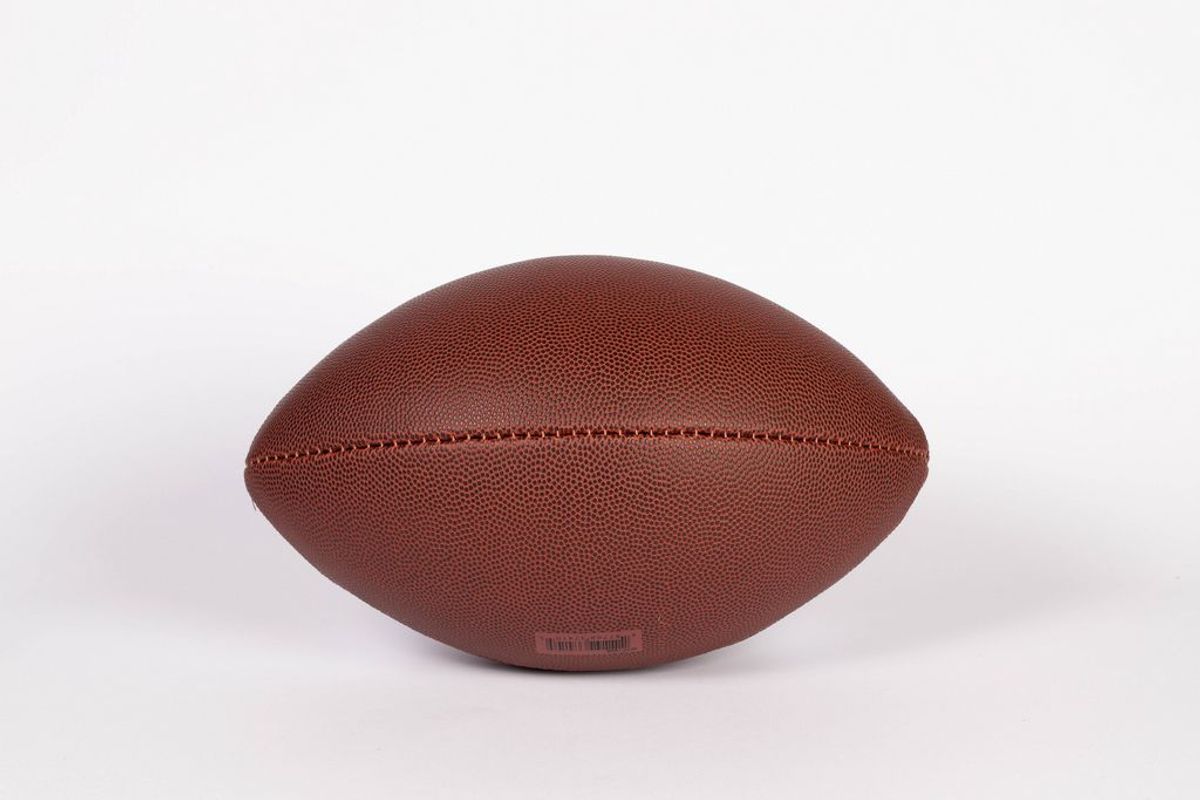
The sport of soccer, known for its rich tradition and passionate following, has seen its equipment, especially the soccer ball, undergo significant technological transformations. Soccer Rondo, a blog dedicated to educating users about the sport and its latest equipment, delves into the evolution of the soccer ball, exploring how technology has enhanced its design, performance, and safety. This article examines the historical development, technological innovations, the influence of major brands, and the potential future trends in soccer ball technology.
Key Takeaways
- Soccer balls have evolved from leather to synthetic materials, improving durability and enabling better control and aerodynamics.
- Technological integration, such as smart sensors, has revolutionized soccer balls, providing valuable data for player performance and training.
- Major brands like Nike, Adidas, and Puma have been at the forefront of soccer ball innovation, influencing both professional play and consumer products.
- Advancements in soccer ball design have contributed to player safety and performance, with a focus on injury prevention and skill improvement.
- Future trends in soccer ball development include further advancements in smart technologies, sustainability, and customization options for players and teams.
The Historical Development of Soccer Balls
From Leather to Synthetic: A Material Transformation
We’ve witnessed a remarkable shift in the materials used for soccer balls, moving from the traditional heavy leather to modern synthetic materials. This evolution has been driven by the need for better performance and durability. The introduction of synthetic balls revolutionized the game, offering players a ball that was more consistent in quality and behavior in different weather conditions.
Leather balls, while rich in history, were prone to water absorption, making them heavy and difficult to play with during wet conditions. Synthetics, on the other hand, repel water and maintain their shape and weight, providing a more predictable trajectory.
- Early leather balls required regular inflation and stitching repairs.
- Synthetic balls are less maintenance-intensive and have a longer lifespan.
- The transition to synthetic materials has also allowed for more vibrant and varied designs.
The quest for the perfect soccer ball has always been about balancing tradition with innovation. As we embraced synthetic materials, we ensured that the soul of the game remained intact, while enhancing the experience for players and fans alike.
The Quest for Perfect Sphericity and Aerodynamics
In our pursuit of the ideal soccer ball, we’ve come a long way from the days of leather panels and latex bladders. Today’s balls, governed by precise regulations, must be perfectly spherical and maintain specific size, weight, and pressure standards. The transformation from traditional materials to advanced synthetic ones has been a game-changer.
Modern soccer balls are constructed with technologies like the Aerosoft Floating Rubber Technology, which introduces millions of microscopic air cells into the rubber cover. This not only enhances the grip but also contributes to the ball’s durability and consistent performance.
The quest for perfect sphericity and aerodynamics is not just about the ball’s shape; it’s about how the ball interacts with the players and the pitch.
To ensure that the balls meet the highest standards, FIFA specifies a circumference of 68 to 70 cm and a weight range of 410 to 450 g. The pressure must be between 0.6 and 1.1 atmospheres at sea level, ensuring that the ball performs reliably under various playing conditions.
- Circumference: 68-70 cm
- Weight: 410-450 g
- Pressure: 0.6-1.1 atmospheres
These specifications are not just numbers; they are the result of rigorous engineering and testing to ensure that every touch, every pass, and every shot is true to the player’s intent.
Regulation Changes and Their Impact on Ball Design
As we’ve navigated through the history of soccer balls, we’ve seen how regulation changes have been pivotal in shaping their design. The Laws of the Game, maintained by the IFAB and published by FIFA, set the standards for ball size, weight, and pressure. These regulations ensure uniformity across the sport, but they also spur innovation as manufacturers strive to meet and exceed these standards.
Regulation adjustments have often been a response to the evolving nature of the game. For instance, the transition from leather to synthetic materials was not only a technological leap but also a necessity to prevent water absorption and to maintain consistent weight and shape during play. The introduction of synthetic balls also brought about improvements in durability and performance.
- Ball circumference: 68-70 cm
- Weight: 410-450 g
- Pressure: 0.6-1.1 atmospheres
These design changes aim to improve the ball’s flight, control, and stability. The design and quality of a soccer ball significantly impact the game, and as such, manufacturers are constantly testing and tweaking to find the perfect balance that will enhance a player’s experience on the field.
In our quest for the perfect soccer ball, we’ve seen materials and technologies evolve, but the essence of the game remains unchanged. The ball is at the heart of soccer, and every stitch and panel reflects the craft behind the kick.
Innovations in Soccer Ball Technology
Smart Balls: Integration of Sensors and Tracking
We’ve witnessed a revolutionary leap in soccer ball technology with the advent of smart balls. These balls are embedded with sensors that provide real-time data on their movement, impact, and even the player’s interaction with the ball. The integration of advanced computer vision technology, like that of Dribbleup, allows for tracking every movement and recording reps in real-time. Players can now hit virtual targets on screen to register their reps, enhancing their skills with immediate feedback.
The benefits of smart soccer balls are numerous:
- They offer precise data for performance analysis.
- Coaches can tailor training sessions based on accurate metrics.
- Players receive instant feedback to improve their technique.
Embracing these technological advancements doesn’t just add a layer of excitement; it fundamentally transforms how players train and develop their skills.
While the potential is vast, the adoption of smart soccer balls is still in its infancy. As we continue to explore and refine this technology, we can expect even more innovative features that will further enrich the beautiful game.
Enhancing Durability and Performance Through Engineering
We’ve witnessed a remarkable transformation in the construction of soccer balls, where engineering has played a pivotal role. The science behind a soccer ball design has evolved, focusing on materials that offer both durability and optimal performance. This opens up possibilities for even greater precision in ball construction, promising advancements in durability, performance, and perhaps unlocking entirely new features.
The introduction of Aerosoft Floating Rubber Technology is a testament to this progress. Soccer balls crafted with this technology boast a cover that is nearly twice as thick as traditional rubber balls, thanks to millions of microscopic air cells. This not only enhances the ball’s resilience but also provides a softer touch, which can be crucial during play.
Our commitment to innovation doesn’t stop at the ball’s exterior. We delve deep into the core, where the interplay of materials can significantly affect the ball’s behavior on the pitch.
To illustrate the strides made in soccer ball engineering, consider the following aspects:
- Material Advancements: Transition from leather to synthetic materials for better weather resistance.
- Structural Integrity: Use of new technologies to ensure consistent shape and less water absorption.
- Performance Features: Development of balls with improved aerodynamics for more accurate flight paths.
By continuously pushing the boundaries, we aim to provide players with equipment that not only withstands the rigors of the game but also enhances their ability to perform at their best.
Eco-Friendly Advances in Soccer Ball Manufacturing
We’ve seen a significant shift towards sustainability in soccer ball manufacturing, with a focus on reducing environmental impact. The introduction of non-toxic materials and processes reflects a commitment to eco-friendly production. For instance, the use of sustainable TPU (Thermoplastic Polyurethane) has become more prevalent, offering a greener alternative to traditional materials without compromising on quality or performance.
Eco-friendly soccer balls are not just a nod to environmental consciousness but also a step towards a healthier sport. These balls are crafted to ensure that players interact with materials that are safe and durable. The snippet from Eco Sports highlights the importance of this transition: "Non-Toxic Soccer Balls Made w/ Sustainable TPU – Eco Sports, snippet: These eco-friendly soccer balls are made with high-quality, sustainable materials, ensuring durability and performance that meets the demands of active play."
Embracing sustainability in soccer ball manufacturing is not only about the product itself but also about the message it sends. It reflects a broader movement within the sports industry to prioritize the planet and its inhabitants.
To illustrate the progress in this area, consider the following points:
- Reduction in the use of harmful chemicals
- Increased use of recycled materials
- Implementation of energy-efficient production methods
- Commitment to ethical labor practices
The Role of Major Brands in Soccer Ball Evolution
Nike, Adidas, and Puma: Pioneers of Soccer Ball Innovation
We’ve witnessed a remarkable journey in the world of soccer equipment, where brands like Nike, Adidas, and Puma have been at the forefront of innovation. These industry giants have not only shaped the aesthetic appeal of soccer balls but have also introduced groundbreaking technologies that enhance performance and safety on the pitch.
From the introduction of the first Adidas Predator boots to Nike’s Mercurial Dream Speed series, the relentless pursuit of perfection has led to soccer balls that are lighter, more durable, and exhibit improved aerodynamics. Puma’s contributions, including their latest ‘Legends Pack’, have equally pushed the envelope in design and functionality.
- Nike: Pioneering aerodynamic designs and smart ball technology
- Adidas: Leading in durability and iconic designs
- Puma: Innovating for better control and touch
We recognize the symbiotic relationship between the evolution of soccer cleats and soccer balls. As footwear has evolved to offer better performance, comfort, and safety, so too have soccer balls adapted to complement these advancements.
The relentless innovation by these brands not only satisfies the professional athletes’ needs but also trickles down to the consumer level, influencing the soccer balls we buy and use in our local parks and backyards.
Collaborations Between Brands and Professional Leagues
We’ve witnessed a significant shift in the landscape of soccer as major brands collaborate closely with professional leagues to enhance the fan experience and market reach. For instance, the recent partnership between Major League Soccer and Beats by Dr. Dre has set a new precedent in the integration of sports and lifestyle brands. This collaboration not only brings exclusive products to fans but also elevates the pre-game atmosphere with custom Beats headphones for players during warmups.
Such partnerships often extend beyond mere branding and into the realm of community engagement. They serve as a catalyst for social cohesion, with events and celebrations organized around soccer matches that deepen social connections among fans. It’s a symbiotic relationship where both the leagues and the brands benefit from the heightened exposure and fan loyalty.
The synergy between soccer leagues and top brands is reshaping the way we engage with the sport, creating a more immersive and connected fan experience.
While the focus is often on the glitz and glamour of these collaborations, it’s important to remember their role in fostering a sense of unity and pride among supporters, turning soccer into more than just a game, but a community-building force.
The Influence of World Cup Designs on Consumer Products
We’ve witnessed how the World Cup has become a trendsetter in soccer ball design, influencing consumer products worldwide. The iconic designs introduced during these tournaments often become highly sought after by fans and players alike. It’s not just about aesthetics; these designs reflect the pinnacle of innovation and performance that brands strive to offer to the wider market.
The ripple effect of World Cup ball designs is evident in the surge of merchandise sales post-tournament. Consumers are eager to own a piece of soccer history, and as a result, manufacturers see a significant uptick in demand. This demand extends beyond the balls themselves to apparel and accessories featuring the tournament’s motifs.
We must also consider the role of brand protection in this process. FIFA continuously develops and protects a large variety of brand assets, ensuring that the legacy and exclusivity of the World Cup designs are maintained.
To illustrate the impact of World Cup designs on consumer behavior, consider the following table showing the percentage increase in soccer-related merchandise sales following recent World Cups:
| Year | % Increase in Sales |
|---|---|
| 2014 | 25% |
| 2018 | 30% |
The table underscores the significant influence that World Cup events have on the market. It’s a testament to the power of these international tournaments in shaping not just the sport, but also the global consumer landscape.
The Impact of Soccer Balls on Player Performance and Safety
Balancing Tradition with Player Health Considerations
In our pursuit of preserving the rich heritage of soccer, we must also prioritize the health and safety of the players. The evolution of soccer balls has been closely tied to player performance and well-being. While traditional materials and designs are cherished, modern advancements have introduced features that reduce the risk of injuries and enhance the game’s safety.
Shin guards and other protective gear have become standard in the game, yet the soccer ball itself plays a crucial role in preventing injuries. A well-designed ball can minimize the impact on players during headers and collisions. We’ve seen a shift towards lighter and more cushioned balls, aiming to protect players without compromising the integrity of the sport.
- The importance of ball texture and material in reducing abrasion injuries
- The role of ball weight and size in preventing concussions
- The influence of ball dynamics on muscular strain and injury risk
We are committed to a game that honors its past while safeguarding the future of its players. Balancing tradition with innovation is not just a challenge; it’s our responsibility.
The balance training programs for soccer injury prevention highlight the significance of equipment design in player safety. As we continue to innovate, we must ensure that these changes are always in the best interest of those on the field.
The Relationship Between Ball Design and Injury Prevention
We’ve seen a significant shift in how soccer balls are designed, with a focus not just on performance, but also on player safety. Modern soccer balls are engineered to reduce the risk of injuries, particularly those related to the head and upper body. The use of synthetic materials has led to a more consistent shape and a softer impact when heading the ball, which is crucial in a sport where head-to-ball contact is frequent.
Italics are often used to emphasize the importance of safety in sports equipment design. For instance, the introduction of lighter and more durable balls has been instrumental in reducing the likelihood of concussions and other impact-related injuries. This is supported by studies that highlight the benefits of proprioceptive exercise training on physical fitness and soccer skills.
- Enhanced cushioning to absorb impact
- Improved ball control to reduce accidental collisions
- Consistent ball behavior to aid in player anticipation
By prioritizing safety in ball design, we not only protect our players but also enhance the overall quality of the game.
Training with Advanced Balls to Improve Skills
We’ve seen a significant shift in how players train, with a focus on using advanced balls to enhance their skills. Incorporating technology like TOCA Football’s advanced soccer technology into training regimes is not just a trend; it’s revolutionizing the game. These balls, often equipped with sensors, provide immediate feedback on performance, allowing players to make real-time adjustments.
- Improved touch and control
- Enhanced shot accuracy
- Faster decision-making
By training with these sophisticated balls, players can work on specific aspects of their game. For instance, the Aerosoft Floating Rubber Technology used in some training balls offers a softer touch and better grip, aiding in the development of finer ball control. Moreover, the consistent air retention from the 80% Butyl bladder means more time playing and less time inflating.
The journey to mastery is paved with consistent practice and the right tools. Advanced soccer balls are the catalysts for skill enhancement, providing a tangible way to measure progress and hone technique.
As we continue to embrace these innovations, we’re not only nurturing the current generation of players but also setting a new standard for the future of soccer training.
The Future of Soccer Balls: Predictions and Trends
Potential Developments in Smart Ball Technologies
As we look to the future, we’re excited about the potential advancements in smart ball technologies that could revolutionize the way we play and understand the game of soccer. The integration of advanced sensors and AI could provide real-time analytics, enhancing both the player’s and coach’s ability to make strategic decisions on the fly.
One area of particular interest is the development of embedded sensors capable of tracking not only the ball’s location but also its spin, speed, and trajectory. This data could be invaluable for player training and game analysis:
- Spin Analysis: Understanding the ball’s rotation to improve shooting and passing techniques.
- Speed Tracking: Measuring the velocity of shots and passes for performance benchmarking.
- Trajectory Monitoring: Analyzing the ball’s flight path to refine player’s tactical plays.
We envision a future where the soccer ball is not just a piece of equipment, but a sophisticated tool that provides feedback and insights, contributing to the safety and skill development of players.
Moreover, the potential for these technologies to enhance viewer engagement cannot be overlooked. Fans could gain access to detailed statistics and insights, bringing them closer to the action than ever before. The challenge will be to balance innovation with the game’s traditions, ensuring that the essence of soccer remains intact while embracing the benefits of technology.
Sustainability Trends in Soccer Ball Production
We are witnessing a significant shift towards sustainability in soccer ball production. Recent trends in Adidas’ production emphasize sustainability, with a focus on incorporating eco-friendly materials and practices. This is not just a trend but a commitment to reducing the environmental impact of our beloved sport.
Eco-friendly materials are now at the forefront of soccer ball manufacturing. Companies are exploring options such as recycled plastics, organic cotton, and bio-based foams. These materials not only help in conserving resources but also reduce the carbon footprint associated with traditional soccer ball production.
We are committed to a future where every kick of the ball also supports the health of our planet.
The following list highlights some of the key sustainability initiatives being adopted:
- Use of water-based adhesives instead of chemical glues
- Implementation of zero-waste production processes
- Partnership with environmental organizations to offset carbon emissions
- Introduction of take-back programs for recycling old soccer balls
Customization and Personalization in Ball Design
In our journey to enhance the soccer experience, we’ve seen a growing trend towards the customization and personalization of soccer balls. Consumers now have the ability to tailor the design of their soccer balls to their personal preferences, whether it’s for aesthetic reasons or to reflect their team allegiance. This shift not only allows for a unique expression of individuality but also fosters a deeper connection between players and the game.
The options for personalization range from selecting colors and patterns to adding names and logos. Here’s a quick overview of what can be customized:
- Color schemes
- Textures and materials
- Team logos or emblems
- Player names or initials
- Special commemorative designs
The rise in personalized soccer balls is a testament to the sport’s adaptability and the industry’s responsiveness to consumer demands. It’s a blend of tradition with modern consumer culture that enriches the soccer experience.
As we look to the future, we anticipate that the demand for personalized soccer balls will continue to grow. The industry is already exploring innovative technologies that could allow for even more dynamic and interactive customization options. Imagine a ball that not only bears your chosen design but also interacts with smart devices to enhance training sessions or gameplay. The possibilities are exciting and endless, promising a new era where technology and personalization converge to elevate the beautiful game.
Conclusion
The journey of the soccer ball from its humble beginnings to the high-tech sphere used in today’s game encapsulates the beautiful blend of tradition and innovation within the sport. As Soccer Rondo has explored, technological advancements have not only revolutionized the design and materials of soccer balls but have also enhanced player performance, safety, and the overall fan experience. From the tactile feel of the ball at a player’s feet to the roar of the crowd in technologically advanced stadiums, every aspect of soccer has been touched by innovation. Yet, amidst these changes, the essence of the game remains—a simple joy that connects cultures and generations. As we continue to witness the evolution of soccer equipment and the sport itself, one thing is certain: the heart of soccer beats strong, driven by a passion that technology can enhance but never replace.
Frequently Asked Questions
How have materials used in soccer balls changed over time?
Soccer balls have evolved from being made of leather panels sewn together to being crafted with advanced synthetic materials. These modern materials provide better durability, consistent performance, and are less affected by weather conditions.
What technological innovations have been integrated into soccer balls?
Recent technological innovations in soccer balls include the integration of sensors and tracking systems, which provide data on ball movement, speed, and trajectory, enhancing both player training and audience experience.
How do major brands contribute to the evolution of soccer balls?
Brands like Nike, Adidas, and Puma are at the forefront of soccer ball innovation, constantly researching and developing new designs, materials, and technologies to improve ball performance and meet the evolving needs of the sport.
In what ways can soccer ball design impact player safety?
Soccer ball design can impact player safety by reducing the risk of injury through the use of softer materials, improving visibility with distinct color patterns, and ensuring consistent performance to avoid unexpected ball behavior.
Are eco-friendly advancements being made in soccer ball manufacturing?
Yes, eco-friendly advancements in soccer ball manufacturing include the use of sustainable materials, reduced waste production processes, and efforts to create fully recyclable or biodegradable soccer balls.
What future trends can we expect in soccer ball design and technology?
Future trends in soccer ball design may include further development of smart ball technologies with enhanced tracking and data analysis capabilities, increased focus on sustainability, and personalization options for individual players or teams.