
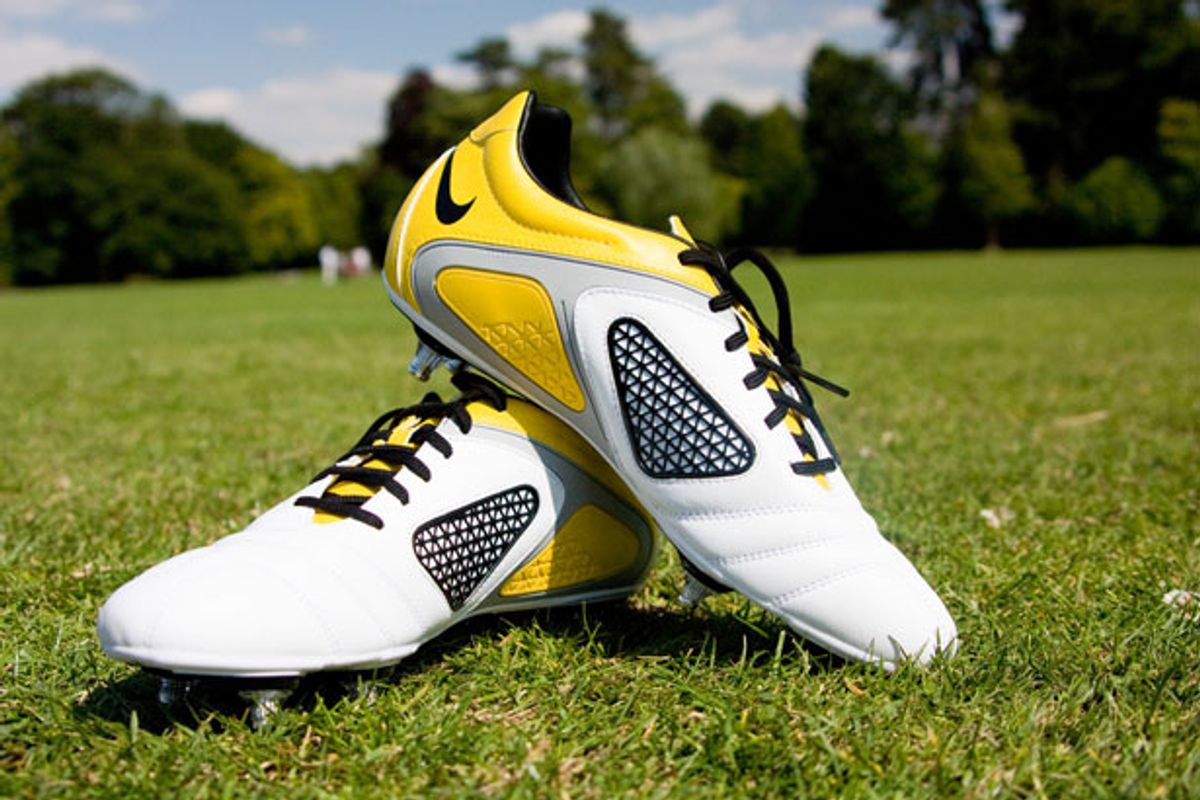
Football, the world’s most popular sport, has always undergone continuous evolution. In recent years, technology has played a critical role in revolutionizing the game on both the professional and grassroots levels. This article will explore the latest breakthroughs in soccer equipment, focusing on technological innovations, sustainable materials, and safety enhancements. Let’s delve into the key takeaways from these advancements in soccer gear:
Key Takeaways
- Technology is reshaping soccer equipment with smart soccer balls, enhanced performance wear, and virtual reality training.
- Sustainable materials are making their mark in soccer gear through recycled plastic cleats, biodegradable shin guards, and organic cotton jerseys.
- Safety in soccer equipment is improving with impact-reducing goalkeeper gloves, concussion-preventing headgear, and anti-slip soccer boots.
Technological Innovations in Soccer Equipment
Smart Soccer Balls
We’ve seen a remarkable transformation in soccer equipment, and one of the most exciting advancements is the development of smart soccer balls. These balls are embedded with sensors that provide real-time data on speed, spin, and trajectory. This information is invaluable for both players and coaches, as it allows for detailed analysis of kicking techniques and ball handling skills.
Smart soccer balls are not just for the elite; they’re becoming increasingly accessible to amateur players, bridging the gap between professional and grassroots levels. Here’s a quick look at the benefits they offer:
- Enhanced Training: Players can receive instant feedback on their performance.
- Injury Prevention: Data can help in identifying poor techniques that may lead to injuries.
- Game Analysis: Coaches can use the data for strategic planning and player development.
Embracing these technological innovations can significantly impact the quality of training and the overall soccer experience. It’s an investment in the future of the sport that we are passionate about.
Enhanced Performance Wear
In our quest to elevate the game, we’ve embraced wearable technology that not only enhances player performance but also plays a crucial role in injury prevention. Smart fabrics and advanced padding are revolutionizing the way athletes train and compete, offering unprecedented levels of support and protection.
With the integration of these innovations, we’re witnessing a significant reduction in injury rates and a boost in overall player fitness.
Our focus extends to the grassroots level, where such technology supports better player management and monitoring, crucial for the development of young athletes. Here’s a glimpse into the advancements we’re excited about:
- Smart compression garments that optimize muscle performance
- Heat and moisture-wicking materials to maintain ideal body temperature
- Padded wearables that absorb impact more effectively than traditional gear
These breakthroughs are not just about pushing the limits of performance; they’re about ensuring our athletes stay at the peak of their game, ready to face any challenge on the field. As we continue to innovate, the essential gear for every soccer athlete evolves, keeping them prepared to perform at their best.
Virtual Reality Training
We’ve seen a remarkable shift in how soccer training is conducted, with virtual reality (VR) leading the charge. This innovative approach allows players to immerse themselves in game-like scenarios without the physical strain of being on the field. The benefits of VR training are manifold, enhancing tactical understanding and decision-making under pressure.
- VR simulations can replicate real match conditions, providing a safe environment for players to practice skills and strategies.
- It offers personalized feedback, enabling players to review their performance and make adjustments in real time.
- By reducing the risk of injury during training, VR helps maintain player fitness and extends careers.
The integration of VR into training regimens is not just for elite professionals; it’s also making strides in grassroots soccer. Academies are utilizing VR to offer young athletes sophisticated training that was once accessible only at the highest levels.
The application of VR in soccer is a testament to the sport’s ongoing evolution. As we continue to explore its potential, we anticipate even greater advancements that will shape the future of soccer training.
Sustainable Materials in Soccer Gear
Recycled Plastic Cleats
We’ve seen a significant shift towards sustainability in soccer, and one of the most exciting developments is the use of recycled materials in soccer cleats. Adidas has been at the forefront with their adidas Crazyfast STRUNG+ Firm Ground Soccer Cleats – Grey, a limited-edition collection that not only promises speed but also a commitment to the environment. These cleats are designed for fast football and are made partly with recycled materials, allowing players to discover their perfect stride while being eco-conscious.
The benefits of using recycled plastic in soccer cleats are numerous:
- Reduced environmental impact: By repurposing plastic waste, we’re reducing the amount of pollution in our oceans and landfills.
- Enhanced durability: Recycled materials have been found to be just as strong, if not stronger, than traditional materials used in soccer cleats.
- Innovation in design: The use of recycled plastics has opened up new possibilities in cleat design, leading to improved performance and comfort.
Embracing recycled materials in soccer gear is not just a trend; it’s a responsible step towards a more sustainable future in sports. We’re proud to be part of a movement that not only enhances the game but also protects our planet.
Biodegradable Shin Guards
We’re seeing a remarkable shift towards sustainability in soccer gear, and one of the most exciting developments is the creation of biodegradable shin guards. These innovative protectors are designed to offer the same level of defense as traditional models while ensuring that our environmental footprint is minimized.
The use of biodegradable materials is not just a trend; it’s a commitment to the planet’s future. These shin guards are typically made from plant-based fibers or compostable polymers, which break down naturally over time without leaving harmful residues.
The beauty of biodegradable shin guards lies in their ability to combine eco-friendliness with high performance. Players can now tackle the game with confidence, knowing they’re contributing to a greener world.
Here’s a quick look at the benefits of these shin guards:
- Reduced environmental impact
- High durability and protection
- Comfortable and lightweight design
- Easy disposal after their lifespan
As we continue to advocate for sustainable practices in sports, it’s clear that biodegradable shin guards are a step in the right direction. They represent a harmonious blend of innovation, responsibility, and care for the environment.
Organic Cotton Jerseys
We’ve seen a significant shift towards sustainability in soccer gear, and one of the most promising developments is the use of organic cotton in jerseys. These jerseys not only reduce the environmental impact but also offer enhanced comfort for players.
Organic cotton is grown without harmful pesticides or synthetic fertilizers, making it a healthier choice for both the planet and the athletes. The benefits are twofold: we’re supporting sustainable farming practices and providing athletes with non-toxic, skin-friendly apparel.
- Environmental Benefits: Reduced water usage, no toxic chemicals, supports biodiversity.
- Player Benefits: Hypoallergenic, softer fabric, less skin irritation.
Embracing organic cotton is a step towards a greener future in sports. It’s a testament to our commitment to the planet and to the well-being of players who wear these jerseys with pride.
Safety Enhancements in Soccer Equipment
Impact-Reducing Goalkeeper Gloves
We’ve seen a remarkable evolution in the design of goalkeeper gloves, with modern innovations focusing not just on grip, but also on impact protection. The latest breakthroughs incorporate technologies such as finger saves and padded backs, which are crucial for goalkeepers who face the brunt of powerful shots.
In our quest for enhanced safety, we’ve come across research that points to a future where 3D-printed padding could revolutionize the way we think about protective gear. This new design, tested in laboratories, has shown superior performance compared to traditional foam padding. It’s a promising development that could make its way into goalkeeper gloves, offering unprecedented protection during the most critical moments of the game.
We are at the cusp of integrating cutting-edge padding technology into soccer equipment, which could significantly reduce the risk of injuries for players.
To illustrate the potential impact of these innovations, consider the following points:
- 3D-printed padding could offer better shock absorption and durability.
- The integration of new materials may lead to lighter, more comfortable gloves.
- Enhanced protection doesn’t compromise the gloves’ flexibility or the goalkeeper’s dexterity.
As we continue to explore these advancements, it’s clear that the safety of players remains a top priority. The collaboration between researchers and sports engineers is key to bringing these innovations from the lab to the soccer field.
Concussion-Preventing Headgear
We’ve seen significant advancements in the realm of player safety, particularly with the development of concussion-preventing headgear. Researchers are striving for padding that excels under various impact scenarios, ensuring that whether the collision is at low or high speed, the protection remains consistent.
The goal is to create a geometry that performs well under all scenarios, providing athletes with the confidence that their headgear will offer optimal protection at all times.
Innovations in padding technology, such as those developed by teams at the University of Colorado Boulder and Sandia National Laboratories, have led to materials that can be 3D printed and used in soccer headgear. These materials are designed to withstand significant impacts, potentially reducing the risk of concussions.
Here’s a brief overview of the benefits of this new padding technology:
- Enhanced impact absorption
- Adaptability to different force types
- Potential for use in various sports equipment
- Accessibility through commercial 3D printing
As we continue to push the boundaries of safety in soccer, these technological breakthroughs offer a promising future for the well-being of players on the field.
Anti-Slip Soccer Boots
We’ve all witnessed the pivotal moments in soccer matches where a player’s footing can mean the difference between victory and defeat. Anti-slip soccer boots are a game-changer in this regard, providing players with the traction they need on the pitch, regardless of weather conditions. These boots are designed with advanced materials and tread patterns to maximize grip and minimize the risk of slipping.
The development of anti-slip technology in soccer boots has been a collaborative effort between material scientists and professional athletes. The result is a range of boots that cater to different playing surfaces and styles. For instance, boots for artificial turf have shorter studs compared to those designed for soft, muddy grounds.
The importance of stability and safety on the field cannot be overstated, and anti-slip boots are a testament to the industry’s commitment to player welfare.
Here’s a quick look at the types of studs used in anti-slip soccer boots:
- Firm Ground (FG): Suitable for natural grass pitches with a firm surface.
- Soft Ground (SG): Designed for wet and muddy natural grass pitches, with longer, usually metal, studs.
- Artificial Ground (AG): Made for artificial grass surfaces, with shorter and more numerous studs.
- Turf (TF): Best for older, more abrasive artificial turf or very hard natural surfaces, with many small, durable studs.
By integrating innovative materials and designs, manufacturers are not only enhancing performance but also contributing to injury prevention. As we continue to push the boundaries of what’s possible in soccer equipment, anti-slip boots stand out as a significant advancement in ensuring players’ safety and confidence on the field.
Conclusion
In conclusion, the advancements in soccer equipment have been instrumental in shaping the game at both professional and grassroots levels. While professional football benefits from cutting-edge technology like Video Assistant Referee (VAR) and performance analysis tools, grassroots football faces challenges in accessibility and funding. However, collaborative efforts from governing bodies, clubs, investors, and technology businesses can bridge this gap and democratize technical improvements in football. By fostering inclusion, innovation, and collaboration, the sport can continue to evolve and benefit players, fans, and communities worldwide.
Frequently Asked Questions
What are some examples of technological innovations in soccer equipment?
Some examples include smart soccer balls, enhanced performance wear, and virtual reality training.
How are sustainable materials being incorporated into soccer gear?
Sustainable materials such as recycled plastic cleats, biodegradable shin guards, and organic cotton jerseys are being used in soccer gear.
What safety enhancements are being made in soccer equipment?
Safety enhancements like impact-reducing goalkeeper gloves, concussion-preventing headgear, and anti-slip soccer boots are being developed.
How do technological advances in professional football impact the game?
Technological advances in professional football improve accuracy, fairness, and performance analysis, providing essential tools for teams.
What challenges do grassroots football face in adopting technological innovations?
Grassroots football faces challenges in acquiring and efficiently using technical tools due to limited resources, but demonstrates ingenuity in implementing grassroots innovations.
How can the gap between professional and grassroots football in terms of technology be addressed?
Collaborative initiatives from governing bodies, clubs, investors, and technology businesses can close the gap and democratize technical improvements in football.