
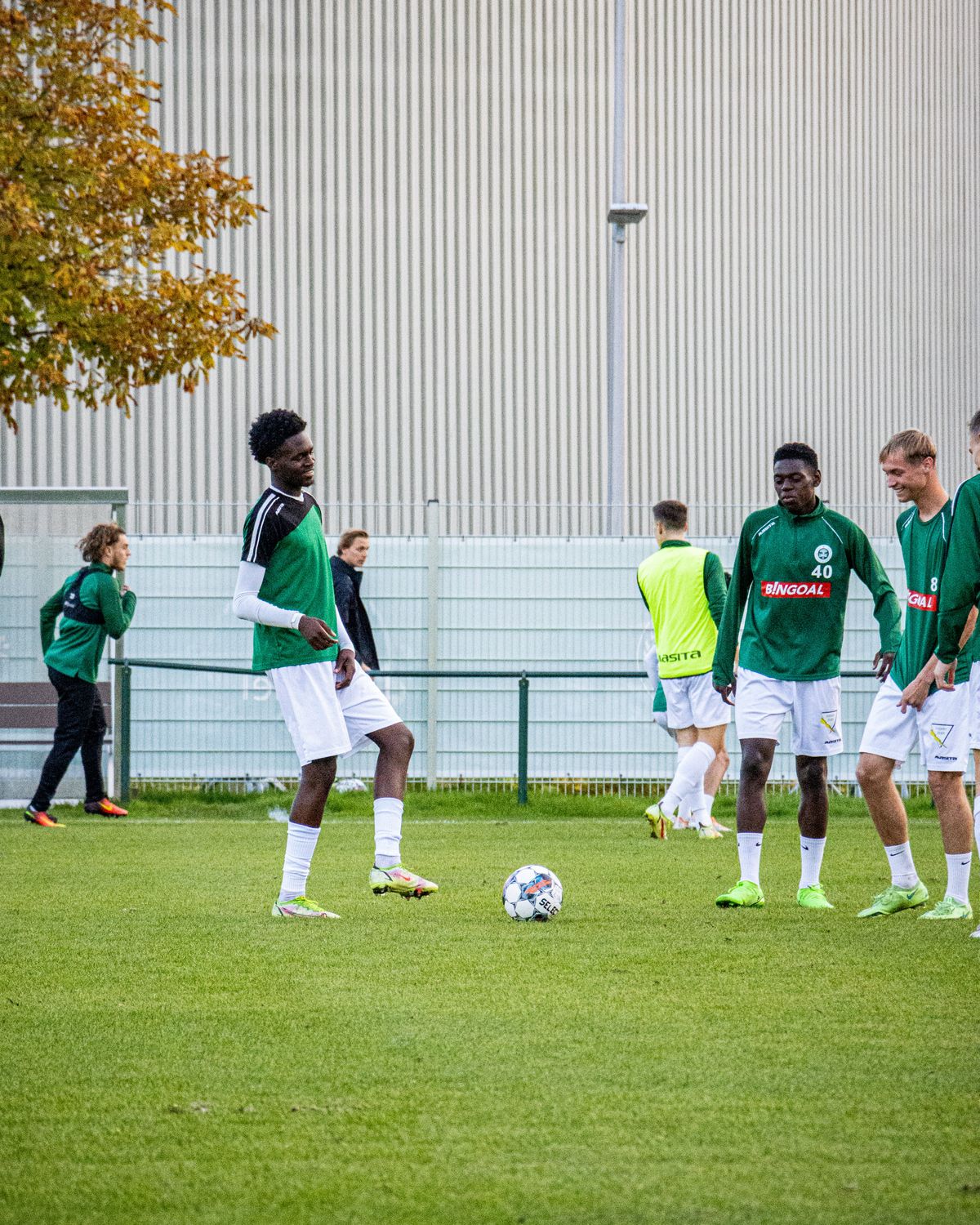
Soccer training is essential for players looking to improve their skills and performance on the field. In this article, we will explore key insights from professional coaches on building the ultimate soccer training routine. From consistency in training to incorporating mental techniques and utilizing technology, these tips will help players elevate their game to the next level.
Key Takeaways
- Setting clear goals is crucial for effective training sessions.
- Creating a structured training schedule helps maintain consistency and progress.
- Tracking progress allows for adjustments to be made for better results.
- Visualization and imagery can enhance mental focus and performance on the field.
- Utilizing technology like video analysis and wearable devices can provide valuable insights for improving technique and fitness levels.
The Importance of Consistency in Training
Setting Clear Goals
As we embark on the journey to build the ultimate soccer training routine, we understand that setting clear goals is the foundation of success. It’s not just about dreaming big; it’s about creating actionable, measurable objectives that guide our daily efforts. We start by aligning our team goals with the aspirations of each individual player, ensuring that everyone is working towards a common purpose.
- Define the end goal for the season
- Break down the goal into smaller, achievable milestones
- Assign specific goals to each player based on their role and potential
By setting clear goals, we create a roadmap for our training, which keeps us focused and motivated. It’s about knowing where we want to go and planning the steps to get there.
Regularly revisiting and adjusting our goals ensures that we stay on track and adapt to any changes in our team dynamics or individual performances. This process of continuous improvement is what ultimately leads to peak performance on the field.
Creating a Structured Training Schedule
We understand that a well-structured training schedule is the backbone of any successful soccer routine. It’s not just about what you train, but when and how often. Our approach involves a balance between high-intensity workouts and adequate recovery time to prevent burnout and injuries.
Consistency is key, and to achieve this, we break down our weekly training into specific areas of focus:
- Monday: Technical skills and ball control
- Tuesday: Tactical understanding and team strategies
- Wednesday: Rest and recovery
- Thursday: Strength and conditioning
- Friday: Match simulation and set pieces
- Saturday: Light training and mental preparation
- Sunday: Rest day
By adhering to a structured schedule, we ensure that each aspect of the game is given the attention it deserves, leading to a well-rounded development of our players.
Remember, the schedule should be flexible enough to accommodate individual needs and external factors such as weather, player health, and upcoming matches. Regularly reviewing and adjusting the schedule is crucial to keep the training effective and engaging.
Tracking Progress and Adjusting Accordingly
As we delve into our training routine, it’s crucial to remember that tracking our progress is not just about recording our successes; it’s about understanding our journey. We regularly assess our progress, taking cues from resources like the article How Often Do Soccer Players Train? (FULL GUIDE), which emphasizes the need to modify drills and shift focus based on evolving needs.
To ensure we’re on the right path, we use a simple but effective method:
- Review our performance after each session
- Compare results against our set goals
- Identify areas that require more attention
This process allows us to adjust our training plan dynamically, ensuring that we’re always challenging ourselves and improving. For instance, if we notice a lag in our sprint times, we might increase our focus on speed drills.
It’s not just about working harder, but also working smarter. By fine-tuning our routine, we can overcome plateaus and continue to grow as athletes.
Remember, the goal is to create a training routine that evolves with us, pushing us towards our ultimate potential.
Incorporating Mental Training Techniques
Visualization and Imagery
We understand the power of the mind in achieving peak athletic performance. Visualization and imagery are not just buzzwords; they are essential techniques that can significantly enhance our training routine. By imagining ourselves executing the perfect pass or scoring the winning goal, we can mentally rehearse and prepare for actual game situations.
Visualization is a technique where we create a mental image of a specific event, including the environment, emotions, and actions. It’s a form of mental practice that can improve our confidence and performance. Here’s a simple list of steps to get started with visualization:
- Find a quiet and comfortable space
- Close your eyes and take deep breaths
- Picture yourself in a game situation
- Focus on the details: the feel of the ball, the sounds of the crowd, your movements
- Repeat the imagery several times
By consistently incorporating visualization into our training, we can bridge the gap between the mental and physical aspects of the game. This practice helps us to internalize skills and strategies, making them second nature when we step onto the field.
Remember, success starts within. As highlighted in the Sports Visualization Techniques for Athletes, visualization is a powerful tool that can be learned and perfected with practice. Let’s make use of these techniques to enhance our performance and achieve our goals.
Mindfulness and Focus Exercises
We’ve seen firsthand how the chaos of a soccer game can scatter a player’s focus. To combat this, we integrate mindfulness exercises into our training routine. These exercises are not just about staying calm; they’re about maintaining sharp focus when it matters most. Mindfulness has been shown to enhance focus in athletes, a crucial skill during high-pressure moments on the pitch.
- Begin with 5 minutes of deep breathing to center your thoughts.
- Progress to visualization techniques, imagining successful plays and positive outcomes.
- Incorporate short, guided meditation sessions to improve concentration.
Mindfulness is not a one-off exercise; it’s a skill that grows stronger with regular practice.
By dedicating a portion of each training session to these exercises, we ensure that our players are not only physically prepared but also mentally poised to handle the intensity of the game.
Building Confidence and Resilience
We understand that the physical aspect of soccer is only one part of the equation. To truly excel, players must also cultivate a strong mental game. Building confidence and resilience is crucial for peak performance under pressure. We encourage our athletes to develop a soccer mindset that includes learning from setbacks and viewing them as opportunities for growth.
- Recognize achievements, no matter how small, to foster a sense of progress.
- Encourage a supportive team environment where players feel valued and motivated.
- Implement mental rehearsal techniques to prepare for high-pressure situations.
By consistently applying these practices, players can develop the mental fortitude necessary to face any challenge on the field.
It’s essential to remember that confidence is not static; it’s a skill that can be developed with intention and practice. Our training routines are designed to reinforce this belief, ensuring that each player can tap into their inner strength when it matters most.
Utilizing Technology for Enhanced Performance
Video Analysis for Technique Improvement
In our quest to build the ultimate soccer training routine, we’ve embraced the power of video analysis. This tool has revolutionized the way we understand and enhance player performance. By meticulously reviewing game footage, we can pinpoint both strengths and weaknesses with incredible precision. By comparing weak and strong points through video analysis, we tailor our training programs to address specific needs, ensuring that each player receives personalized guidance.
Video analysis not only helps in correcting technical flaws but also in reinforcing successful patterns of play. For instance, we analyze successful passes, shots, or defensive moves and integrate these findings into our drills.
- Review game footage
- Identify technical flaws
- Reinforce successful patterns
- Integrate findings into drills
Emphasizing the importance of video analysis in our training routine has led to significant improvements in individual techniques and overall team performance.
Wearable Technology for Monitoring Fitness Levels
In our quest to build the ultimate soccer training routine, we’ve embraced the power of wearable technology. These devices have revolutionized the way we monitor fitness levels, providing real-time data that is both accurate and actionable. We can now track every sprint, jump, and stride with precision, gaining insights into the physical demands of the game and the players’ responses to them.
Wearable tech offers a plethora of metrics that we analyze to tailor training programs to each athlete’s needs. Here’s a snapshot of the data we collect:
| Metric | Description |
|---|---|
| Heart Rate | Measures cardiovascular effort |
| Distance Covered | Tracks movement on the field |
| Speed | Monitors peak and average speeds |
| Acceleration | Gauges explosiveness and agility |
By leveraging this data, we can optimize training intensity and recovery, ensuring that our athletes are performing at their peak while minimizing the risk of injury.
The insights gained from these wearables are invaluable. They help us understand an athlete’s physiological responses during various activities, which is crucial for developing personalized training regimens. With this technology, we’re not just guessing; we’re making informed decisions that enhance performance and safeguard health.
Online Resources for Skill Development
In our quest to build the ultimate soccer training routine, we’ve scoured the internet for the best online resources. One standout is Soccer-Coaches.com, a treasure trove of free soccer drills and resources. This platform is not just a repository of information; it’s a community where insights into tactics and strategy are shared, fostering a continuous learning environment for coaches and players alike.
- Soccer-Coaches.com: Free Soccer Drills and Resources
- Your website for soccer drills, exercises, insights into tactics and strategy.
- New articles published weekly for soccer coaches, players and game enthusiasts!
By integrating these online resources into our training regimen, we ensure that our players are exposed to a diverse range of learning materials, which can be accessed anytime, anywhere. This flexibility is crucial in maintaining a cutting-edge training program that adapts to the evolving landscape of soccer.
Conclusion
In conclusion, building the ultimate soccer training routine requires a combination of expert advice, dedication, and the right equipment. By following the tips shared by professional coaches in this article, players can enhance their skills and performance on the field. Remember, continuous learning and practice are key to becoming a successful soccer player. Stay updated with Soccer Rondo for more insights, tips, and reviews to elevate your game.
Frequently Asked Questions
What is the best way to set clear goals for my soccer training routine?
Setting clear, specific, and achievable goals is essential for effective training. Start by identifying areas of improvement and setting measurable objectives to work towards.
How can I create a structured training schedule for my soccer routine?
Develop a weekly training plan that includes a mix of skill drills, fitness exercises, and rest days. Allocate time for each aspect of training and ensure consistency in your schedule.
What are the benefits of tracking progress in my soccer training routine?
Tracking progress allows you to monitor improvements, identify areas for growth, and stay motivated. It also helps you adjust your training plan based on performance feedback.
How can visualization and imagery enhance my soccer training experience?
Visualization techniques help athletes mentally rehearse skills and scenarios, improving performance and confidence on the field. Incorporating imagery can also reduce anxiety and enhance focus.
Why is building confidence and resilience important for soccer players?
Confidence and resilience are key mental attributes that can help players overcome setbacks, handle pressure situations, and perform at their best. Building these qualities can improve overall performance and mental strength.
How can wearable technology benefit my soccer training routine?
Wearable technology devices such as fitness trackers and GPS monitors can provide valuable data on performance metrics like heart rate, distance covered, and speed. This information can help you track progress and optimize training sessions.