
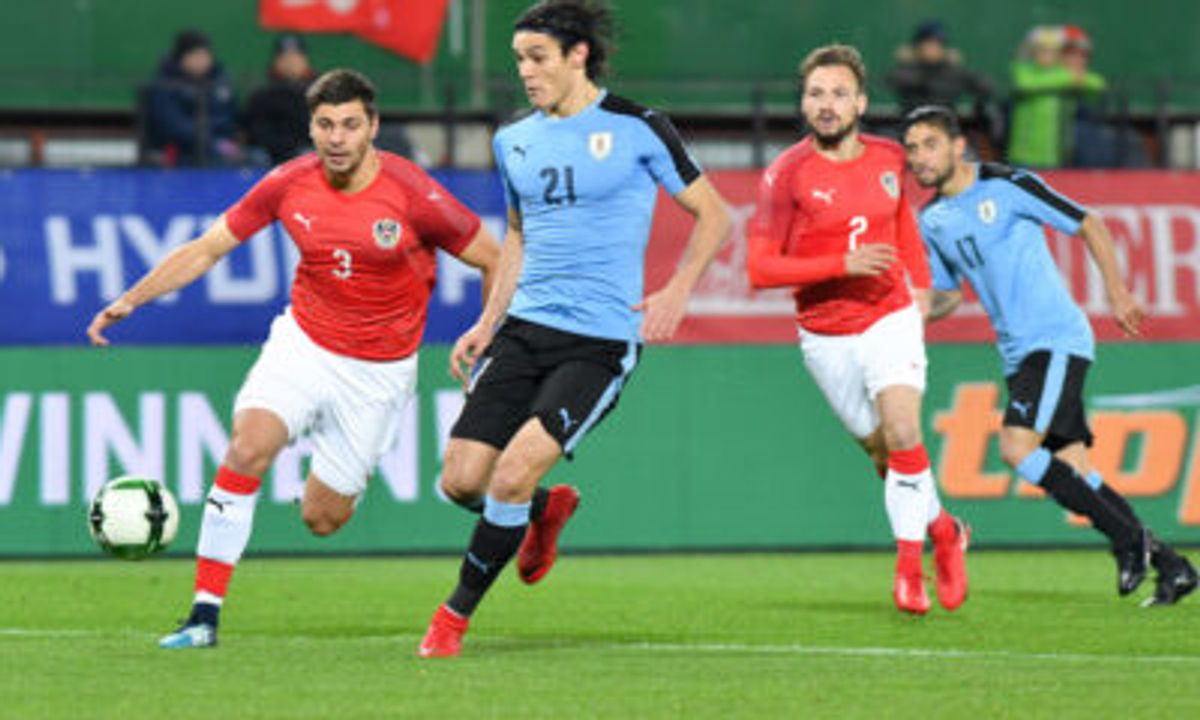
In the competitive world of soccer, transitioning from a bench player to a starter requires a combination of skill mastery, team understanding, and physical conditioning. This article will guide players on how to earn more field time by focusing on key aspects of their game and team dynamics.
Key Takeaways
- Mastering essential skills like dribbling, passing, and shooting is crucial for earning more field time.
- Effective communication, positioning, and teamwork are vital components of successful team dynamics.
- Maintaining physical fitness through endurance training, injury prevention, and proper rest is essential for consistent performance on the field.
Mastering Skills on the Field
Dribbling Techniques
We’ve all been there, standing on the sidelines, watching the ball move back and forth across the field, itching for our chance to make an impact. To transition from bench to starter, mastering dribbling techniques is crucial. It’s not just about fancy footwork; it’s about knowing when and how to penetrate defenses with effective 1v1 moves.
We need to be able to beat an opponent and create opportunities for ourselves and our teammates. This involves a combination of speed, agility, and creativity. Here’s a simple list to get started:
- Practice different types of dribbles in various scenarios.
- Work on changing direction swiftly to evade defenders.
- Develop a sense of timing to know when to accelerate with the ball.
Remember, the goal is to maintain control of the ball while navigating through tight spaces and around opponents. It’s a skill that can change the course of a game.
By focusing on these aspects, we’ll not only improve our individual performance but also contribute more effectively to the team’s success. The table below outlines some key components of successful dribbling:
| Aspect | Description |
|---|---|
| Control | Keeping the ball close while moving |
| Awareness | Recognizing space and player positions |
| Agility | Quick movements to evade tackles |
Incorporating these elements into our training will ensure that we’re ready to take on any defender. With dedication and practice, we’ll find ourselves moving from the sidelines to the heart of the action.
Passing Accuracy
In our journey from benchwarmers to key players, we’ve learned that passing accuracy is not just about moving the ball; it’s about retaining possession and creating opportunities. To enhance our passing game, we focus on the weight, timing, and direction of each pass. Precision is key, and it’s achieved through relentless practice and a deep understanding of our teammates’ movements.
Vision is crucial. We keep our heads up, constantly scanning the field to anticipate the play. This allows us to make smart decisions and deliver the ball with purpose. Here’s a simple drill sequence we use to sharpen our passing skills:
- Short passes to build rhythm
- Long balls to stretch the play
- One-touch passing under pressure
- Passing in tight spaces to improve control
Remember, the best passers dictate the tempo of the game and can unlock even the tightest defenses with a single, well-placed ball.
We also track our progress with specific metrics during training sessions. Consistent feedback helps us identify areas for improvement and set tangible goals. Here’s an example of how we might record our passing accuracy in a typical drill:
| Drill Type | Passes Attempted | Successful Passes | Accuracy Percentage |
|---|---|---|---|
| Short Pass | 50 | 47 | 94% |
| Long Ball | 20 | 15 | 75% |
| One-Touch | 30 | 25 | 83% |
By focusing on these aspects, we’re not just honing our skills; we’re becoming indispensable members of the team.
Shooting Precision
To elevate our game and become key players on the field, we must focus on the art of shooting precision. It’s not just about hitting the target; it’s about doing so with consistency and under pressure. We’ve all experienced the thrill of scoring a goal, but to make it a regular occurrence, we need to refine our technique and become clinical finishers.
Improving shot accuracy from various angles and distances is crucial for scoring goals. This involves a mix of technical drills and situational practice. For instance, we should work on:
- Striking the ball with different parts of the foot
- Adjusting our body position relative to the ball
- Timing our shots to coincide with our stride
Consistent repetition and expert coaching are the bedrocks of mastering shooting precision. By dedicating time to practice, we can develop the muscle memory and mental fortitude needed to find the back of the net when it counts the most.
Lastly, let’s not forget the importance of mental preparation. Visualizing the ball hitting the net before taking a shot can significantly increase our chances of success. By combining physical practice with mental visualization, we become unstoppable in front of the goal.
Understanding Team Dynamics
Communication Strategies
In our journey from benchwarmers to key players, we’ve learned that effective communication is as crucial as any physical skill. On the field, every shout, gesture, and glance counts. It’s not just about being loud; it’s about being clear and timely with our calls.
Communication isn’t just verbal. We’ve developed a system of non-verbal signals to indicate our intentions and observations. This silent language helps us maintain the element of surprise against our opponents. Here’s a simple breakdown of our non-verbal cues:
- Thumbs up: Ready for a pass
- Hand out: Requesting space
- Pointing: Directing where to pass or move
We’ve found that practicing these cues in training sessions has significantly improved our in-game understanding.
Remember, a team that communicates well can adapt quickly to any situation on the pitch. It’s about building a shared mindset, where we anticipate each other’s moves and support one another instinctively. This synergy doesn’t happen overnight, but with dedication, it becomes second nature.
Positioning Awareness
In our journey to become indispensable members of the team, we’ve come to realize the importance of positioning awareness. Being in the right place at the right time can make all the difference during a match. It’s not just about physical presence; it’s about reading the game, anticipating the next move, and understanding where we can be most effective.
- Recognize the team’s formation and your role within it.
- Analyze the opposition’s setup to find spaces and opportunities.
- Constantly adjust your position based on the flow of the game.
Positioning is a dynamic skill that requires constant attention and adaptation. It’s about finding the balance between being aggressive in attack and solid in defense.
By mastering positioning, we not only improve our individual performance but also contribute to the team’s overall strategy. It’s a skill that demands both mental and physical agility, and one that can set us apart from our peers on the field.
Teamwork Principles
After mastering individual skills and understanding our roles within the team, we recognize that the essence of teamwork is more than the sum of our parts. Effective teamwork is the bedrock of any successful team. It’s about creating a synergy where our collective efforts are amplified. We’ve learned that trust among teammates is crucial; without it, our plays fall apart. Mutual respect allows us to value each other’s contributions and shared goals keep us focused on the prize.
We must always remember that our individual success is deeply intertwined with the success of our team.
To foster this environment, we’ve adopted several innovative approaches:
- Encouraging open and honest communication
- Setting clear, collective objectives
- Celebrating our victories and learning from our defeats together
These strategies have not only improved our performance but also our camaraderie on and off the field.
Physical Conditioning and Recovery
Endurance Training
As we strive to improve our game, we recognize that endurance is a cornerstone of peak performance. Proper breathing techniques are essential for maintaining stamina throughout the match. We incorporate interval training and high-intensity exercises into our routine to build resistance, ensuring we can last the full 90 minutes with energy to spare.
To excel on the field, it’s not just about how fast or strong you are, but how long you can maintain that intensity.
We’ve found that a mix of aerobic and anaerobic workouts yields the best results. Here’s a simple breakdown of our weekly training regimen:
- Monday: Long-distance jogging (Aerobic)
- Wednesday: Sprint intervals (Anaerobic)
- Friday: Match simulation drills (Combination)
By adhering to this schedule, we’ve seen significant improvements in our ability to sustain high levels of play. It’s a testament to the power of dedicated endurance training.
Injury Prevention
As we strive to improve our game, we must also prioritize our well-being. Injury prevention is crucial for maintaining a consistent presence on the field. By avoiding injuries, we not only ensure our availability for selection but also our long-term health and performance.
One of the key strategies for injury prevention is to incorporate a comprehensive warm-up routine before every practice and game. This routine should include dynamic stretches that prepare our muscles and joints for the physical demands ahead.
It’s essential to listen to our bodies and not ignore the warning signs of potential injuries. Pushing through pain can lead to more severe issues down the line.
Here’s a simple list of tips we’ve gathered from fitness professionals to help keep us injury-free:
- Perform Dynamic Warm-Ups
- Cool Down and Stretch
- Stay Hydrated
- Maintain Proper Form
- Use Correct Equipment
- Gradually Increase Intensity
- Get Adequate Rest
By following these guidelines, we can reduce the risk of injury and stay at the top of our game.
Rest and Regeneration
We’ve pushed our limits on the field, and now it’s crucial to focus on the recovery phase. Proper rest is essential for peak performance, and neglecting it can lead to diminished returns on all our hard work. Our muscles need time to repair and strengthen, which is why we adhere to a structured rest regimen.
- Ensure adequate sleep
- Hydrate effectively
- Engage in active recovery
- Practice mindfulness and relaxation techniques
It’s not just about the time spent training, but also the quality of the rest we allow ourselves. This balance is what truly allows us to excel and stay injury-free.
Remember, recovery is not a passive process. We actively participate in our own regeneration by making informed choices about nutrition, sleep, and stress management. By doing so, we set the stage for a stronger return to the field, ready to tackle new challenges with vigor.
Conclusion
In conclusion, transitioning from a bench player to a starter requires dedication, hard work, and a strategic approach. By following the advice and tips provided in this article, players can improve their skills, increase their playing time, and ultimately contribute more to their team’s success. Remember, success on the field is not just about talent, but also about perseverance and continuous improvement. Stay motivated, stay focused, and keep pushing yourself to reach your full potential. For more insights and information on soccer, visit Soccer Rondo, a blog that offers valuable resources and guidance for players looking to excel in the sport.
Frequently Asked Questions
What are some advanced dribbling techniques to improve my skills on the field?
Some advanced dribbling techniques include the step-over, the Cruyff turn, and the elastico. Practice these moves to enhance your dribbling abilities.
How can I improve my passing accuracy during games?
To improve passing accuracy, focus on your body positioning, use the inside of your foot for short passes, and practice passing drills regularly to enhance your precision.
What are some tips for enhancing shooting precision and scoring more goals?
To enhance shooting precision, work on your shooting technique, practice shooting from different angles, and visualize scoring goals to improve your accuracy.
How can effective communication strategies benefit my performance on the field?
Effective communication strategies help in coordinating with teammates, providing clear instructions, and maintaining a strong team dynamic during matches.
Why is positioning awareness important in soccer and how can I improve it?
Positioning awareness is crucial for anticipating plays, creating scoring opportunities, and maintaining defensive stability. Improve it by studying the game, analyzing player movements, and getting feedback from coaches.
What are the key teamwork principles that can help me become a valuable team player?
Key teamwork principles include trust, communication, collaboration, and supporting your teammates. Embrace these principles to enhance team cohesion and achieve collective success.