
Soccer Rondo is a blog that educates users about the sport and the latest equipment. It includes tips and tricks, reviews, and explanations. In this article, we explore the evolution of the soccer ball’s technology and design over the decades, highlighting key advancements that have shaped the game we know today.
Key Takeaways
- The soccer ball has evolved from traditional leather construction to high-tech materials, enhancing performance and durability.
- Advanced aerodynamics have improved ball speed and control, impacting gameplay and player performance.
- Smart ball technology has revolutionized the way data is collected and analyzed during matches, providing valuable insights for players and coaches.
- The evolution of the soccer ball’s shape has influenced precision passing and the overall strategy of the game.
- The design innovations in soccer ball technology have significantly impacted the sport’s gameplay, showcasing the continuous pursuit of excellence in equipment development.
The Early Years
Leather Construction
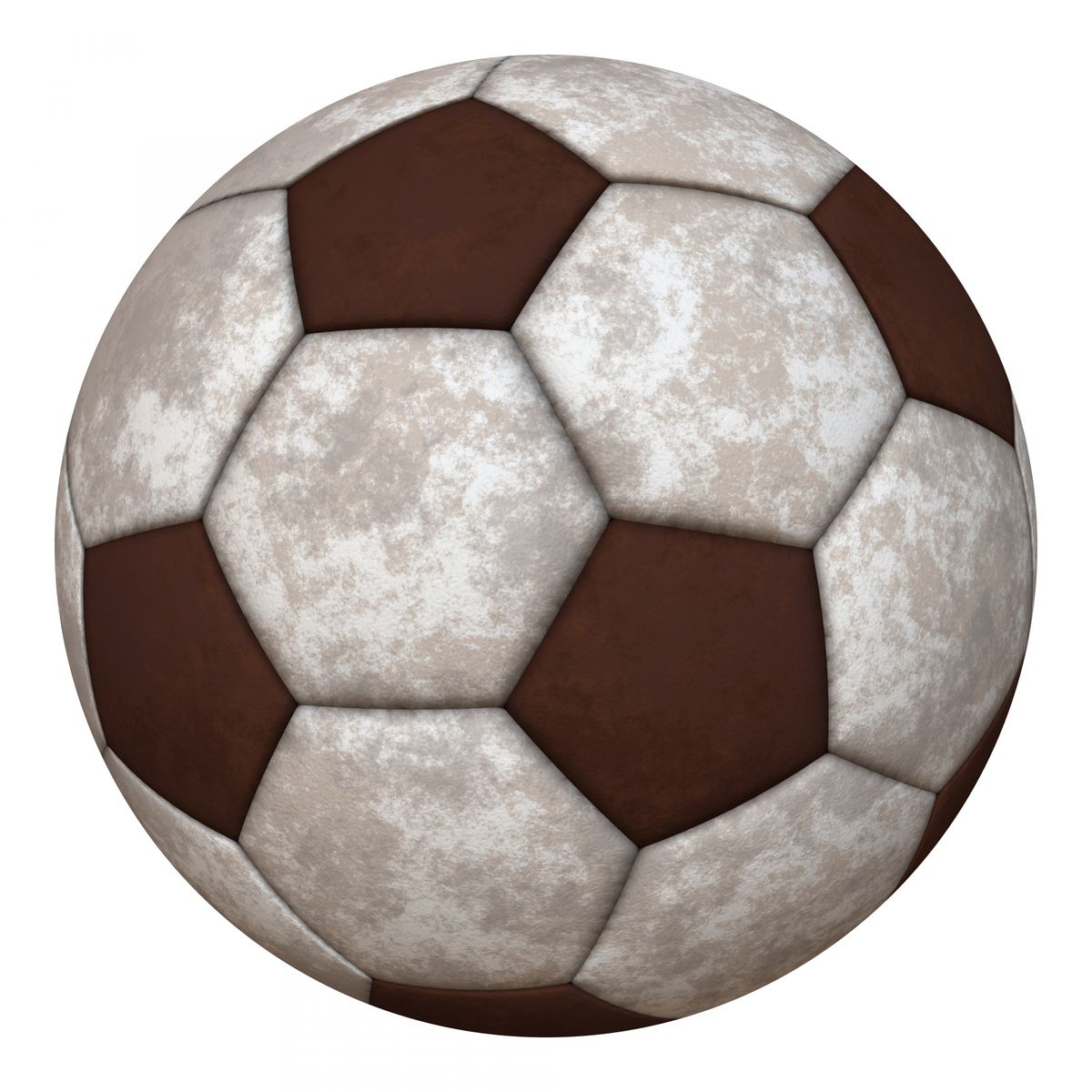
In the early years of soccer, we witnessed the predominance of leather in the construction of soccer balls. This material was favored for its durability and the ease with which it could be sourced. Leather balls were a staple on the pitch, enduring the rigors of the game while gradually developing a unique patina that told the story of countless matches.
Leather also had its drawbacks, notably its tendency to absorb water and become heavier during play, especially in adverse weather conditions. To address this, early manufacturers experimented with various tanning processes and treatments to improve water resistance.
- Early leather balls were made from pig or cowhide.
- The leather was cut into panels and then stitched together.
- Tanning processes were used to make the leather more durable and water-resistant.
The evolution of the soccer ball is a testament to the ingenuity and resourcefulness of those who loved the game. We’ve come a long way from the simple leather spheres of the past, but it’s important to acknowledge the foundation they laid for future advancements.
Traditional Stitching Techniques
We’ve come to appreciate the meticulous craftsmanship that went into the early soccer balls. Each panel was carefully stitched together, often by hand, to create a durable and functional sphere. The combination of hand-stitching and machine-stitching methods not only reinforced the bond between the panels but also contributed to the ball’s overall aesthetic.
The quality of stitching was paramount, as it directly influenced the ball’s longevity and performance. Over time, the evolution of these techniques has led to more uniform and resilient seams, enhancing the ball’s integrity during play.
Stitching wasn’t just about durability; it also affected the ball’s flight and behavior on the pitch. A well-stitched ball could mean the difference between a predictable trajectory and an erratic one. We’ve observed that:
- Consistent stitching patterns contribute to a more predictable ball movement
- Tighter stitches can improve the ball’s resistance to water and wear
- The transition to machine-stitching allowed for greater precision and efficiency
The evolution of stitching techniques has been a subtle yet significant factor in the development of the soccer ball, impacting both its physical properties and its performance during a match.
Evolution of Shape
We’ve witnessed a remarkable transformation in the shape of soccer balls over the years. Initially, soccer balls lacked a standardized shape, leading to unpredictable behavior on the pitch. The quest for uniformity was essential to the game’s development.
- Early balls were made from animal bladders and later leather, resulting in irregular shapes.
- The introduction of rubber bladders provided more consistency.
- Adoption of the now-familiar spherical shape improved the game’s predictability.
The evolution of the soccer ball’s shape is a testament to the ingenuity and adaptability of the sport’s early enthusiasts.
The changes in shape have not only standardized the game but also enhanced the players’ ability to control and predict the ball’s movement. This has been crucial in the evolution of soccer tactics and the overall pace of the game.
Modern Innovations
High-Tech Materials
As we delve into the modern era of soccer, we’ve witnessed a remarkable transformation in the materials used to construct soccer balls. The introduction of synthetic materials has revolutionized the game, offering enhanced durability and consistent performance in various weather conditions. Gone are the days of heavy leather balls that would absorb water and become cumbersome during play.
Polyurethane, thermoplastic polyurethanes (TPU), and other polymers are now the standard in soccer ball construction. These materials resist water absorption and provide a softer touch, which is crucial for precise ball control. Here’s a quick overview of the materials used in contemporary soccer balls:
- Polyurethane (PU): Preferred for its soft texture and durability.
- Polyvinyl Chloride (PVC): Often used in training balls for its affordability.
- Ethylene-vinyl acetate (EVA): Adds softness and bounce.
- Polycarbonate (PC): Contributes to the ball’s shape retention.
The shift to high-tech materials not only extends the lifespan of the ball but also ensures a consistent experience on the pitch, regardless of weather conditions. This consistency is vital for players who rely on the ball’s performance to execute their skills effectively.
Advanced Aerodynamics
We’ve witnessed a remarkable transformation in the aerodynamics of soccer balls, which has significantly influenced their flight and behavior on the pitch. The generic soccer ball geometry, with its 220 mm diameter, has been the subject of extensive research to optimize its performance through the air. The focus of our discussion is not just on the ball itself, but on the aerodynamic forces and moments that act upon it during play.
- The design of panels has evolved from traditional shapes to more aerodynamic patterns.
- Surface textures are now engineered to reduce drag and enhance stability during flight.
- The internal bladder and overall weight distribution are fine-tuned to achieve a balanced trajectory.
We must appreciate the subtle yet profound impact that these aerodynamic enhancements have on the game. They allow for more precise shots and unpredictable flight paths that can challenge even the most skilled goalkeepers.
The advancements in aerodynamics have not only made the ball faster but also more controllable at high speeds, enabling players to execute complex maneuvers with greater confidence. The lift force, which is analytically crucial to understanding ball behavior, has been a key focus in recent designs, leading to balls that can ‘bend’ more effectively around defensive walls.
Smart Ball Technology
We’ve witnessed a remarkable transformation in soccer ball technology, culminating in the advent of the Smart Soccer Ball. These balls are embedded with sensors that provide real-time data on their movement, enabling players to fine-tune their skills like never before. The integration of this technology has revolutionized training methods, allowing for a level of precision in feedback that was once unimaginable.
One of the leading examples in this field is the Dribbleup Smart Soccer Ball. It’s not just a ball; it’s a gateway to a comprehensive virtual training experience. Players can connect the ball to the Dribbleup app and access a variety of drills and feedback mechanisms to improve their game.
- Real-time tracking of ball movement
- Detailed analytics on player performance
- Virtual training sessions to enhance skills
The potential of smart ball technology extends beyond individual training. It promises to transform coaching strategies and player development at all levels of the sport.
As we continue to explore the capabilities of these innovative soccer balls, we remain excited about the future possibilities for both players and coaches. The Smart Soccer Ball is more than just a piece of equipment; it’s a tool that bridges the physical and digital worlds of soccer.
Impact on Gameplay
Ball Speed and Control
We’ve witnessed a remarkable transformation in the way soccer balls are designed, directly influencing their speed and control. The introduction of smart ball technology has been a game-changer, allowing for more precise measurements of a ball’s movement. These advancements have enabled us to understand the dynamics of the ball in play like never before.
- Smart balls are equipped with sensors that track data such as speed, spin, and trajectory.
- The data collected is invaluable for player training and development.
- Coaches and players can make informed decisions to improve techniques and strategies.
The ability to analyze a ball’s behavior during a game has led to improved ball control and faster gameplay, enhancing the overall experience for players and spectators alike.
The evolution of the soccer ball has had a profound impact on the speed of the game. Players are now able to execute quicker passes and more dynamic moves, thanks to the improved responsiveness of the ball. This has made the sport more exciting and unpredictable, with the ball’s performance at the heart of the action.
Precision Passing
We’ve witnessed a remarkable transformation in the way soccer is played, largely due to the advancements in ball design. Precision passing has become a cornerstone of the modern game, with players now able to execute passes that were once deemed impossible. The evolution of the soccer ball has given players the ability to impart different spins and trajectories, making the ball’s movement more predictable and controllable.
Technique is at the heart of this evolution. To master the art of precision passing, players engage in various drills that enhance their ability to deliver the ball with accuracy. For instance:
- Drills focusing on the weight of the pass
- Exercises to improve passing under pressure
- Activities to develop vision and anticipation
The true art of passing lies not only in the accuracy but also in the timing and the anticipation of teammates’ movements.
The impact of these developments is evident in every layer of the game. Defenders utilize precision passing to initiate attacks from the back, midfielders to split defenses with incisive through balls, and strikers to finesse their finishes. The game has evolved into a more dynamic and technically demanding sport, where the quality of passing can determine the outcome of a match.
Influence on Player Performance
We’ve observed that the evolution of the soccer ball has had a profound impact on how players interact with the ball. The precision and responsiveness of modern balls allow for a more dynamic and controlled gameplay. For instance, players can now execute complex maneuvers with greater ease, thanks to the improved grip and surface texture of the ball.
Consistency in ball performance is crucial for players to develop and rely on their skills. A soccer ball that behaves unpredictably can undermine a player’s confidence and the team’s strategy. We’ve compiled a list of ways in which the soccer ball’s evolution has influenced player performance:
- Enhanced ball control and dribbling
- Improved accuracy in passing and shooting
- Greater predictability in ball trajectory
The design and quality of a soccer ball significantly impact the game. Factors like the number of panels, the material used, and the stitching technique can influence a player’s ability to control and manipulate the ball during play.
Ultimately, the advancements in soccer ball technology have not only changed the physical aspects of the game but also the psychological. Players can push their limits, knowing that the equipment will support their craft and skill.
Conclusion
In conclusion, the evolution of the soccer ball over the decades has been a fascinating journey marked by significant advancements in technology and design. From the traditional leather balls of the past to the modern, high-tech balls of today, the changes reflect the continuous innovation and dedication to improving the game. As soccer enthusiasts, it is important to appreciate the history and evolution of the soccer ball, as it not only impacts the game but also represents the intersection of tradition and innovation in the sport. Soccer Rondo, with its informative content and insights, plays a crucial role in keeping fans informed and engaged with the latest developments in soccer equipment and technology.
Frequently Asked Questions
What are the key features of the early leather construction of soccer balls?
The early soccer balls were made of leather, providing durability and a classic look.
How have traditional stitching techniques evolved in soccer ball design?
Traditional stitching techniques have been replaced by more advanced methods for better durability and performance.
What led to the evolution of the shape of soccer balls over the years?
The shape of soccer balls has evolved to optimize aerodynamics and improve gameplay.
What are the high-tech materials used in modern soccer ball construction?
Modern soccer balls utilize advanced materials like synthetic fibers and microtextures for enhanced performance.
How does advanced aerodynamics impact the flight of soccer balls during gameplay?
Advanced aerodynamics in soccer balls improve stability, accuracy, and distance during kicks and passes.
What is smart ball technology and how does it enhance the playing experience?
Smart ball technology integrates sensors to provide data on speed, spin, and impact, enhancing player performance and training.