
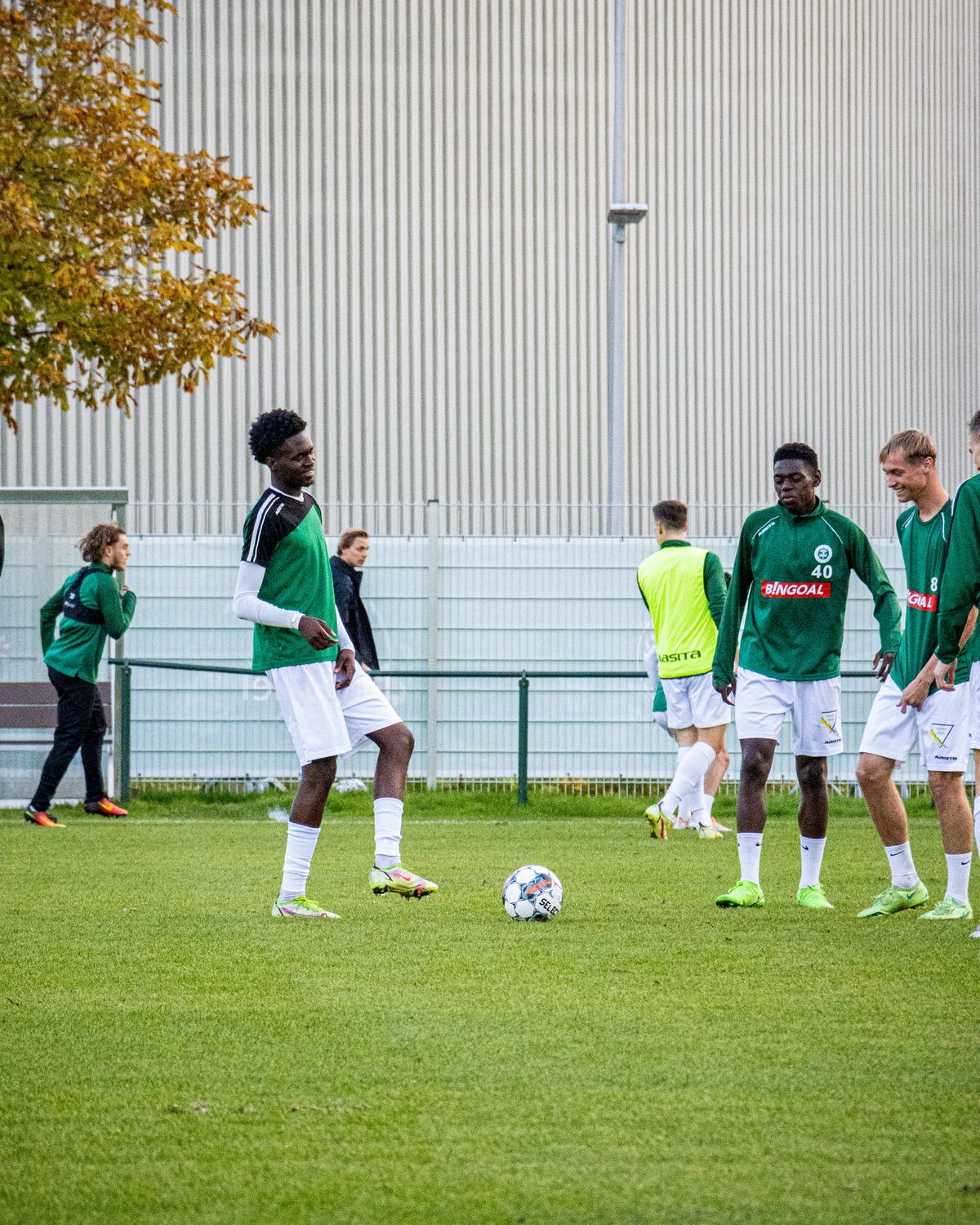
Soccer is a demanding sport that requires a combination of physical fitness, skill, and strategy. In this article, we will explore the importance of fitness in soccer and provide a comprehensive workout plan to help players improve their performance on the field. From endurance training to injury prevention, every aspect of fitness is crucial for soccer players looking to excel in the game. Let’s dive into the fundamentals of soccer fitness, nutrition and recovery strategies, as well as injury prevention and rehabilitation techniques.
Key Takeaways
- Physical fitness is essential for soccer players to perform at their best on the field.
- Proper nutrition, hydration, and rest are key factors in supporting soccer players’ performance and recovery.
- Injury prevention exercises and rehabilitation techniques play a critical role in maintaining player health and longevity in soccer.
- Understanding common soccer injuries can help players take proactive measures to prevent them.
- Consistent training in endurance, strength, speed, and agility is necessary for soccer players to improve their overall performance.
The Fundamentals of Soccer Fitness
Endurance Training
We understand the pivotal role that endurance plays in the game of soccer. It’s not just about being able to run for the entire match, but also about maintaining a high level of performance throughout. Proper breathing techniques are crucial for maximizing oxygen intake and supporting sustained effort on the pitch.
To build our endurance, we incorporate interval training into our routine. This involves alternating periods of high-intensity exercise with periods of rest or lower intensity. For example, we might sprint for 30 seconds followed by a minute of walking to recover. This type of training not only boosts our cardiovascular fitness but also simulates the stop-and-start nature of a soccer match.
High-intensity exercises are another key component of our endurance training. They push our bodies to adapt and improve our resistance to fatigue, which is essential for those final minutes of a game when the outcome often hangs in the balance.
We also focus on consistency in our training. It’s not enough to train hard for a few weeks and then take a break. Endurance is built over time, with regular, dedicated effort. Here’s a simple weekly plan we follow to ensure we’re always building our endurance:
- Monday: Interval training (30-second sprints, 1-minute recovery) x 10
- Wednesday: Steady-state cardio (45-minute jog at a moderate pace)
- Friday: High-intensity interval training (HIIT) session (20 minutes of varied sprints and recovery)
- Sunday: Long-distance run (60 minutes at a steady, comfortable pace)
By adhering to this schedule, we help our bodies to last through the rigorous demands of a full soccer match and beyond.
Strength Training
In our comprehensive workout plan, we recognize the pivotal role of strength training in enhancing a soccer player’s performance. It’s not just about building muscle; it’s about improving overall stability, power, and injury resilience. We’ve identified key exercises that target the muscle groups most utilized on the pitch.
- Squats and lunges for powerful legs
- Core workouts like planks and Russian twists for a strong midsection
- Upper body exercises such as push-ups and pull-ups to ensure a balanced physique
Strength training should be tailored to individual needs, focusing on both high-rep endurance sets and low-rep power sets to mimic the demands of a soccer match.
It’s crucial to integrate these exercises into regular training sessions, gradually increasing intensity and complexity. Remember, the goal is to complement your soccer skills with a robust body capable of withstanding the rigors of the game.
Speed and Agility Workouts
After focusing on endurance and strength, we turn our attention to the critical aspect of speed and agility. These workouts are designed to enhance our explosiveness, footwork, and coordination on the field. We incorporate a variety of exercises such as ladder drills, plyometrics, and cone drills, which are essential for improving our quick, multidirectional movements during a game.
Our speed training program is not complete without gym work and sprints. These elements are crucial for developing the fast-twitch muscle fibers that contribute to sudden bursts of speed.
To ensure progress and maintain motivation, we track our improvements through a structured Speed Training Programme. Below is an example of how we might structure our weekly agility workouts:
- Monday: Ladder drills for coordination
- Wednesday: Plyometrics for power
- Friday: Cone drills for agility
- Saturday: Gym work and sprints for explosiveness
By dedicating time to these exercises, we’re not just preparing our bodies to perform better; we’re also reducing the risk of injury by enhancing our body’s ability to handle quick changes in direction.
Nutrition and Recovery for Soccer Players
Proper Nutrition
As we delve into the world of soccer fitness, we recognize that proper nutrition is the cornerstone of peak performance on the field. Our bodies require a balanced diet rich in carbohydrates, proteins, and fats to fuel the intense physical demands of the game.
Carbohydrates are our primary source of energy, and we make sure to include them in our meals, especially before training sessions and matches. Proteins are essential for muscle repair and growth, so we incorporate lean meats, dairy, and plant-based options like beans and lentils into our diet.
It’s crucial to understand that the timing of our meals is as important as their content. We aim to eat a combination of carbs and proteins within 45 minutes after a workout to optimize recovery.
Fats should not be neglected either, as they provide long-term energy and support cell function. However, we focus on healthy fats found in foods like avocados, nuts, and olive oil. Here’s a simple breakdown of our daily nutritional goals:
- Carbohydrates: 55-65% of total calorie intake
- Proteins: 10-15% of total calorie intake
- Fats: 20-30% of total calorie intake
By adhering to these nutritional principles, we set the foundation for sustained energy, improved performance, and reduced injury risk.
Hydration
We understand that staying hydrated is crucial for maintaining peak performance on the soccer field. Water is the fuel that keeps our muscles functioning properly and helps regulate our body temperature during intense physical activity. It’s not just about drinking water; it’s about ensuring we replenish electrolytes lost through sweat.
Electrolytes are essential for our nerve and muscle function, and their balance is vital for sustaining our stamina and preventing cramps. We recommend drinking fluids before, during, and after a game or training session, following a hydration plan tailored to individual needs and environmental conditions.
Maintaining proper hydration levels can significantly impact our endurance and performance. It’s a simple yet powerful tool in our fitness arsenal.
Here’s a quick guide to help us stay on top of our hydration game:
- Drink 17-20 ounces of water 2-3 hours before exercise.
- Consume 7-10 ounces of water every 10-20 minutes during exercise.
- After exercise, drink 16-24 ounces of water for every pound lost.
Remember, the goal is to drink consistently rather than waiting until we feel thirsty. Thirst is a sign that our body is already dehydrating.
Rest and Recovery
We understand that the hustle of training and matches can take a toll on our bodies. That’s why rest and recovery are crucial components of our fitness regimen. It’s not just about the quantity of rest, but also the quality. Ensuring we get adequate sleep is essential for muscle repair and overall well-being.
Recovery isn’t limited to sleep, though. We incorporate active recovery days into our schedule, where light activities such as walking, stretching, or yoga help maintain blood flow and reduce muscle stiffness. Here’s a simple guide to our recovery routine:
- Sleep for at least 7-9 hours each night.
- Engage in low-intensity activities on rest days.
- Use foam rollers or massage tools to aid in muscle recovery.
It’s important to listen to our bodies and take a day off when needed. Overtraining can lead to injuries and burnout, which is counterproductive to our goals.
Recent research has shed light on the different effects of rest periods. For instance, a study found that a 12-hour recovery period resulted in better performance in short sprints and jumps compared to longer rest intervals. This insight helps us tailor our recovery strategies to maximize our performance on the field.
Injury Prevention and Rehabilitation in Soccer
Preventive Exercises
As we delve into the realm of injury prevention, it’s crucial for us to incorporate preventive exercises that not only enhance performance but also minimize the risk of injuries. These exercises are designed to prepare our bodies for the physical demands of soccer, ensuring that our muscles and joints are conditioned for the sport’s specific movements.
Core stability is fundamental in soccer, as it affects our balance, agility, and overall control on the field. To strengthen this area, we focus on exercises such as planks and bridges. For our legs, which bear the brunt of the action, we include exercises that simulate soccer movements, such as lunges, squats, and leg presses, to build strength specific to the sport. We pay special attention to the hamstrings and quadriceps, as they are pivotal in both sprinting and ball control.
It’s essential to integrate these exercises into our regular training routine to ensure that our bodies are well-equipped to handle the rigors of the game. Consistency is key in building resilience and reducing the likelihood of injury.
Below is a list of preventive exercises we recommend for every soccer player:
- Dynamic stretching to improve flexibility
- Balance exercises like single-leg stands
- Plyometric drills to enhance explosive power
- Agility ladders for quick footwork
By dedicating time to these preventive measures, we’re not just preparing for the next match; we’re investing in our long-term health and soccer career.
Rehabilitation Techniques
In our quest to return to the pitch stronger and healthier, we’ve adopted a multifaceted approach to rehabilitation. Proper sleep is the cornerstone of our recovery process, ensuring that our bodies have the time to repair and rejuvenate. We complement this with a balanced approach to refueling, incorporating a variety of nutrients to aid tissue repair.
Stretching and yoga have become integral to our routine, enhancing flexibility and reducing the risk of further injury. We also engage in cross-training to maintain our overall fitness without putting undue stress on recovering areas. Here’s a brief rundown of our rehabilitation techniques:
- Proper sleep
- Nutritional refueling
- Stretching/yoga
- Cross-training
- Foam rolling
- Massage therapy
- Hot or ice baths
- Meditation
It’s essential to listen to our bodies and adjust our rehabilitation strategies accordingly. Patience and consistency are key as we navigate the path to full recovery.
Foam rolling and massage therapy are particularly effective for alleviating muscle tightness and improving circulation. The use of hot or ice baths can also be beneficial, providing relief and reducing inflammation. Lastly, meditation offers us a moment of calm, aiding mental recovery which is just as crucial as the physical.
Common Soccer Injuries
In our journey to enhance our performance on the soccer field, we must acknowledge the setbacks that injuries can cause. Prevention is key, but when injuries do occur, understanding them is the first step towards effective recovery. We’ve seen a range of common injuries in soccer, from sprains and strains to more severe cases like ACL tears.
- Sprains and strains
- ACL and MCL injuries
- Meniscus tears
- Shin splints
- Groin pulls
- Hamstring injuries
It’s crucial for us to listen to our bodies and seek professional medical advice when needed. Ignoring pain or discomfort can lead to more serious complications, hindering our ability to play and enjoy the game we love.
Recovery times can vary significantly depending on the injury and the individual. Here’s a concise table reflecting average recovery periods for some common soccer injuries:
| Injury Type | Average Recovery Time |
|---|---|
| Sprains and strains | 2-6 weeks |
| ACL/MCL injuries | 6-9 months |
| Meniscus tears | 6 weeks to 3 months |
| Shin splints | 3-6 weeks |
| Groin pulls | 2-6 weeks |
| Hamstring injuries | 2-8 weeks |
Remember, these are average estimates and each player’s recovery will depend on the severity of the injury and their personal health profile. It’s essential to follow a tailored rehabilitation program and not rush the healing process.
Conclusion
In conclusion, maintaining a high level of fitness is crucial for soccer players to perform at their best on the field. This comprehensive workout plan outlined in the article provides a structured approach to improving strength, endurance, agility, and overall performance. By following this plan, players can enhance their skills and stay competitive in the game. Soccer Rondo, with its informative content and resources, continues to be a valuable source of knowledge for soccer enthusiasts looking to elevate their game.
Frequently Asked Questions
What are the key components of soccer fitness?
The key components of soccer fitness include endurance training, strength training, and speed and agility workouts.
Why is proper nutrition important for soccer players?
Proper nutrition is important for soccer players as it fuels their performance, aids in recovery, and supports overall health.
How can soccer players prevent injuries?
Soccer players can prevent injuries by incorporating preventive exercises, maintaining proper technique, and listening to their bodies.
What are some common soccer injuries?
Common soccer injuries include sprains, strains, muscle tears, and ligament damage.
How important is rest and recovery for soccer players?
Rest and recovery are crucial for soccer players as they allow the body to repair, rebuild, and prepare for future training sessions and matches.
What is the significance of hydration for soccer players?
Hydration is crucial for soccer players as it helps maintain performance, regulate body temperature, and prevent fatigue and cramping.