
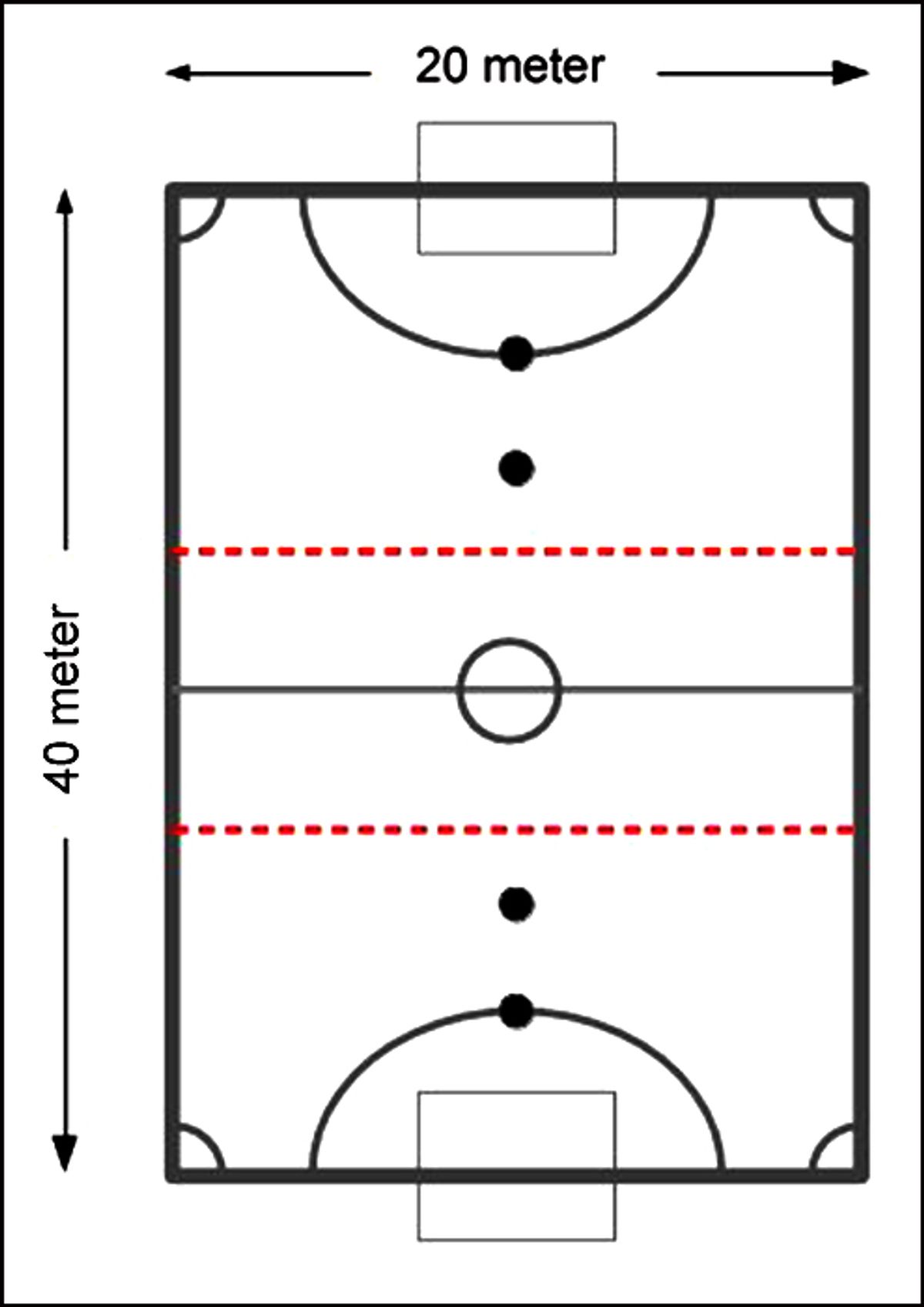
Soccer is a dynamic sport that requires a deep understanding of various tactics and strategies to succeed on the field. In this comprehensive guide, we will delve into the fundamentals of soccer formations, defensive strategies, and attacking techniques to help beginners grasp the essence of the game.
Key Takeaways
- Understanding the importance of formations is crucial for team organization and strategy.
- Choosing the right formation can maximize your team’s strengths and exploit the opponent’s weaknesses.
- Mastering defensive strategies like zonal marking and pressing can disrupt the opponent’s attacking plays effectively.
- Effective attacking techniques such as creating overloads and utilizing wide areas can lead to goal-scoring opportunities.
- Counter-attacking strategies can be a powerful weapon to catch the opponent off guard and capitalize on quick transitions.
Understanding Soccer Formations
The Importance of Formations
In soccer, the formation is the blueprint of a team’s structure on the field. It dictates not only the distribution of players but also the responsibilities assigned to each role. Formations are fundamental in establishing a team’s playing style and can often be the deciding factor in the outcome of a match.
We understand that choosing the right formation is a strategic decision that involves considering the strengths and weaknesses of the team, as well as the opposition. A well-chosen formation maximizes our chances of controlling the game, both offensively and defensively. Here’s a simple list to highlight the key benefits of formations:
- Establishes team balance and shape
- Defines player roles and responsibilities
- Influences the team’s attacking and defensive tactics
- Aids in exploiting the opponent’s vulnerabilities
It’s essential to remember that while a formation provides a starting structure, it’s the flexibility and adaptability of the players within that formation that often leads to success.
The dynamics of a formation can change throughout the game, and it’s crucial for us to be able to adjust our tactics in response to the flow of the match. This adaptability can be the difference between a well-fought victory and a narrow defeat.
Popular Formations in Soccer
In our journey to understand soccer tactics, we’ve come to realize that certain formations stand out due to their effectiveness and popularity. The 4-4-2 formation is perhaps the most classic, providing a balance between defense and attack. It’s a versatile setup that can easily shift to a more defensive or offensive posture during the game.
Another widely adopted formation is the 4-3-3, known for its attacking prowess. This formation allows for a strong midfield presence and the ability to exploit the width of the pitch. Teams like Barcelona have demonstrated the power of this setup, with fluid movement and positional interchange among players.
The 3-4-3 and 3-5-2 formations have gained traction for their dynamic approach to the game. These systems emphasize width and provide additional support in midfield, which can be pivotal in both defending and attacking phases.
Lastly, the 4-2-3-1 and 5-3-2 formations offer unique tactical advantages. The 4-2-3-1 is excellent for controlling the game through the midfield, while the 5-3-2 is often employed to create a defensive stronghold, with the potential for rapid counter-attacks. Here’s a quick list of these popular formations:
- 4-4-2
- 4-3-3
- 3-4-3
- 4-2-3-1
- 3-5-2
- 5-3-2
Each formation has its strengths and weaknesses, and choosing the right one depends on the players at hand and the opposition faced.
How to Choose the Right Formation
Choosing the right formation is crucial for setting the tone of the game and maximizing our team’s strengths. Different formations present different opportunities and challenges, and it’s our job as coaches to select one that allows as many of our players as possible to shine. Here are a few steps we follow to ensure we make the best choice:
- Assess the strengths and weaknesses of our team.
- Consider the level of our players’ technical and tactical understanding.
- Analyze the opposition’s typical formations and playing style.
- Decide on a formation that complements our game plan and objectives.
It’s not just about the formation itself, but how well our players can adapt to it and execute the game plan. Flexibility and the ability to make in-game adjustments are key.
Remember, there’s no one-size-fits-all solution. The context of the match and our players’ capabilities should always guide our decision. By taking a thoughtful approach to our formation, we set ourselves up for success on the pitch.
Mastering Defensive Strategies
Zonal Marking vs Man Marking
In our journey to master defensive strategies, we encounter two fundamental concepts: zonal marking and man marking. Zonal marking is a defensive strategy where players are assigned specific areas of the pitch to defend, rather than marking a specific opponent. This approach emphasizes team coordination and spatial awareness. On the other hand, man marking involves each defender being tasked with shadowing a particular opponent, staying with them throughout the match to limit their influence on the game.
The choice between zonal and man marking can significantly impact our team’s defensive solidity and flexibility. It’s crucial to assess the strengths and weaknesses of our squad to determine the most effective approach.
Here’s a quick comparison to help us understand the differences:
- Zonal Marking:
- Focuses on space rather than individuals.
- Requires disciplined positioning and good communication.
- Can be vulnerable to teams with strong individual talents.
- Man Marking:
- Ensures tight coverage of key opponents.
- Demands high levels of stamina and concentration.
- Risks pulling players out of position, creating gaps.
Ultimately, the decision may come down to the specific context of a match and the attributes of the opposing team. It’s not uncommon for teams to employ a hybrid of both systems to adapt to different situations on the pitch.
Pressing and Counter-Pressing
In our journey to master soccer tactics, we must delve into the dynamic duo of pressing and counter-pressing. Pressing is all about applying immediate pressure to the opponent who just received the ball. The goal is to force errors and regain possession as quickly as possible. It’s a tactic that requires high energy and coordination among players.
When we talk about counter-pressing, we’re referring to the reactive measure taken right after losing the ball. Our players must swiftly transition from attack to defense, attempting to recover the ball before the opposition can organize an effective counter-attack.
To implement these strategies effectively, consider the following points:
- Understand the fitness level and work rate of your team.
- Train players to recognize triggers for pressing, such as a weak pass.
- Encourage communication and teamwork to maintain the shape during pressing.
Remember, while pressing and counter-pressing can be highly effective, they also leave spaces that can be exploited by the opponent if not executed properly. It’s a balance of risk and reward that we must carefully manage.
Defending Set Pieces
When we talk about defending set pieces, we’re referring to those critical moments in a match that can often decide the outcome. Set pieces, such as corners and free-kicks, require a disciplined approach and a clear understanding of roles. One key aspect is the organization of the defensive line and the goalkeeper’s coordination with the team.
Positioning is crucial when defending set pieces. Players must be aware of their markers and the spaces they need to cover. Here’s a simple list to ensure we’re on the same page:
- Assign specific players to mark opponents
- Designate a player to clear the ball from dangerous areas
- Communicate effectively to adjust positions as needed
It’s essential to practice these scenarios repeatedly to ensure that when the moment comes, everyone knows their role and executes it flawlessly.
Finally, we must consider the psychological aspect. Defending set pieces can be a high-pressure situation, and maintaining composure is vital. By staying focused and following our set-piece principles, we can sustain pressure even at attacking corners, ensuring that the ball remains out of our danger zone.
Effective Attacking Techniques
Creating Overloads in Attack
In our quest to dominate the offensive side of the game, we focus on the concept of creating overloads. This tactic involves outnumbering the opposition in specific areas of the pitch to gain a tactical advantage. The key to success lies in the fluid movement of players and the intelligent use of space.
To effectively create overloads, we follow a few essential steps:
- Identify the area of the pitch where we want to create the overload.
- Move players into this area discreetly, ensuring the opposition does not anticipate our intentions.
- Utilize quick, precise passing to maintain possession and disorient the defense.
- Exploit the numerical advantage with a decisive attacking move.
By mastering the art of overloads, we can force the opposition to make difficult decisions, often leading to mistakes that we can capitalize on.
Remember, the objective is not just to have more players in an area but to use that superiority to create clear scoring opportunities. It’s a game of chess on the soccer field, and like Sinethemba Badela’s strategy, we aim to attack with purpose, whether it’s targeting the mini-goals or the full-size goal in training exercises.
Utilizing Wide Areas
In our tactical playbook, we emphasize the significance of utilizing wide areas to stretch the opposition’s defense. By doing so, we create more space in the center for our midfielders and strikers to exploit. Wide players are crucial in this approach, as they must possess the agility and skill to deliver precise crosses and engage in one-on-one situations.
- Encourage wide players to stay close to the touchline to maximize width.
- Use overlapping full-backs to create two-on-one situations against opposing defenders.
- Instruct wide players to vary their movement, sometimes cutting inside to confuse defenders.
By mastering the art of playing in wide areas, we can introduce an element of surprise and unpredictability in our attacking play. This is essential for breaking down well-organized defenses.
We also focus on the development of our wide players’ creativity, as highlighted in the snippet from ‘Tactical Theory: Coaching attacking creativity in wide areas‘. Enhancing this aspect of their game is a continuous process that can yield significant dividends on the pitch.
Counter-Attacking Strategies
In our exploration of effective attacking techniques, we’ve come to appreciate the potency of counter-attacking strategies. Speed is the essence of a successful counter-attack; it’s about transitioning from defense to offense in the blink of an eye. We aim to exploit the moments when our opponents are most vulnerable—typically when they’ve committed players forward and left spaces at the back.
Counter-attacks hinge on a few key principles:
- Quick ball recovery
- Immediate vertical passing
- Exploiting spaces behind the opposition’s defense
- Coordinated movement from attackers
By mastering counter-attacking, we not only create scoring opportunities but also instill a sense of hesitation in our opponents, disrupting their offensive rhythm.
It’s crucial to have players who can read the game and make intelligent runs, as well as those with the technical ability to deliver precise passes. Training should focus on scenarios that mimic real-game situations, allowing players to develop an instinct for when to surge forward and when to hold back, ensuring that our counter-attacks are both effective and efficient.
Conclusion
In conclusion, mastering soccer tactics is essential for beginners to excel in the sport. By understanding the strategies and techniques discussed in this article, beginners can improve their game and enjoy playing soccer even more. Remember, practice makes perfect, and with dedication and perseverance, anyone can become a skilled soccer player. For more tips, tricks, and information about soccer, be sure to check out Soccer Rondo, a blog that provides valuable insights into the sport and the latest equipment. Keep learning, keep practicing, and most importantly, have fun on the field!
Frequently Asked Questions
What is the most popular soccer formation?
The 4-3-3 formation is one of the most popular formations in soccer due to its balance between attack and defense.
How do you choose the right soccer formation for your team?
Choosing the right formation depends on the strengths and weaknesses of your players, as well as the style of play you want to adopt.
What is the difference between zonal marking and man marking in soccer?
Zonal marking involves players marking specific zones on the field, while man marking requires players to mark specific opponents.
How can teams effectively defend against set pieces in soccer?
Teams can defend set pieces by organizing their players, marking opponents tightly, and utilizing a combination of zonal and man marking.
What are some common attacking strategies in soccer?
Common attacking strategies include creating overloads in attack, utilizing wide areas to stretch the defense, and executing quick counter-attacks.
How can beginners improve their understanding of soccer tactics?
Beginners can improve their understanding of soccer tactics by studying different formations, watching professional matches, and practicing tactical drills.