
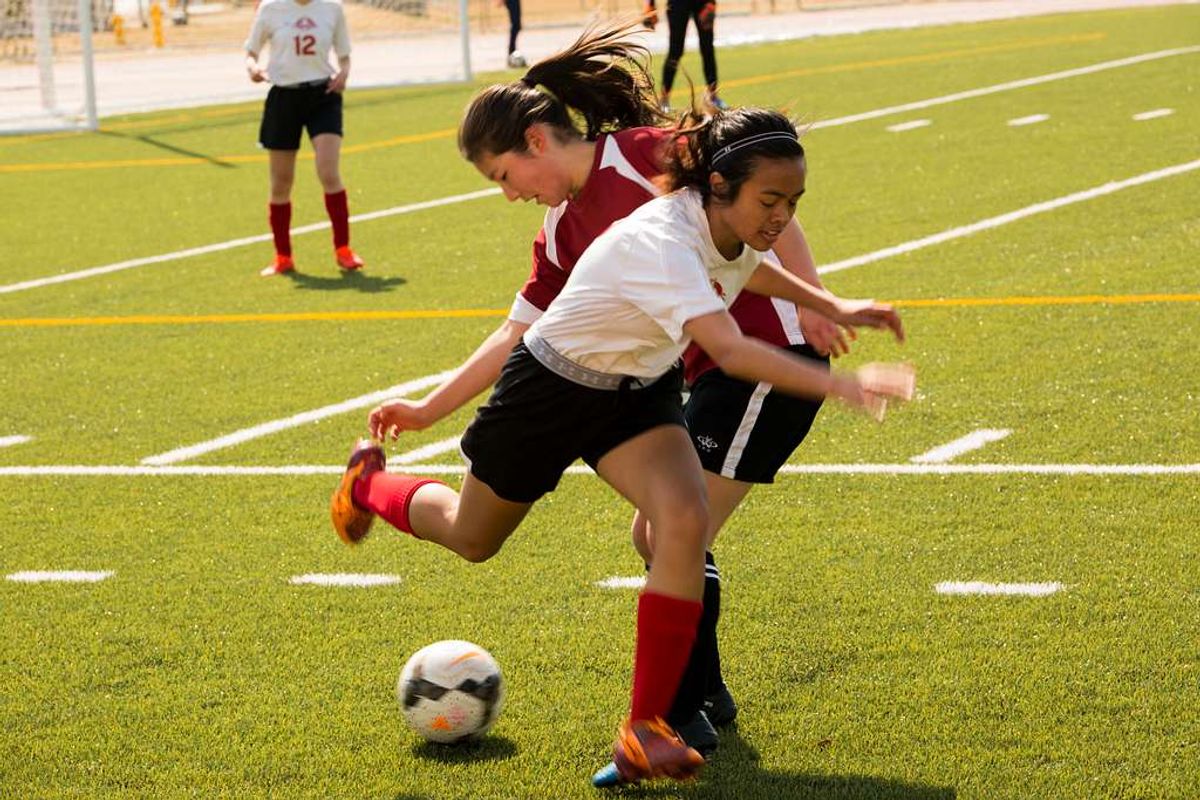
In the world of soccer, mastering the art of defending is crucial for every player on the field. From positioning to tackling techniques and effective communication, a solid defense can make or break a team’s performance. This article delves into the essential techniques that every player should know to excel in defending.
Key Takeaways
- Positioning is key in defense, enabling players to read the game and anticipate opponents.
- Mastering tackling techniques involves timing, body positioning, and executing slide tackles effectively.
- Communication on the field through verbal cues, non-verbal signals, and team coordination is essential for a strong defense.
The Importance of Positioning
Reading the Game
In our quest to master the art of defending, we recognize that the ability to read the game is fundamental. This skill allows us to interpret the flow of play, predict the opponent’s next move, and adjust our positioning accordingly. It’s not just about reacting to the ball, but also understanding the dynamics of the players around us.
- Observe the opponent’s body language and movement patterns.
- Pay attention to the positioning of teammates to maintain a solid defensive structure.
- Recognize common attacking patterns and prepare to disrupt them.
By constantly scanning the field and anticipating the play, we ensure that we’re always a step ahead, ready to intercept or tackle when the moment arises.
It’s essential to practice defensive positioning drills that hone our ability to read the game. These drills teach us to anticipate opponents’ movements and position ourselves strategically, not just to react, but to control the game’s tempo.
Anticipating the Opponent
We understand that to effectively defend, we must not only react to our opponents’ moves but also anticipate them. Anticipation is a skill that can be honed through experience and careful observation. By studying our opponents’ habits and patterns, we can predict their next move and gain a crucial advantage.
Anticipation allows us to position ourselves optimally, making it easier to intercept passes or disrupt the opponents’ flow. Here’s a simple list to improve our anticipatory skills:
- Observe the opponent’s body language and playing style.
- Recognize common patterns in their play.
- Practice scenario-based drills to enhance quick decision-making.
By consistently applying these practices, we’ll find ourselves a step ahead, shutting down options before they materialize into threats. This proactive approach is what separates good defenders from great ones.
Covering Passing Lanes
In our quest to master the art of defending, we recognize the pivotal role of covering passing lanes. This technique not only disrupts the flow of the opposing team’s attack but also increases the chances of intercepting the ball and initiating a counter-attack. We must be vigilant, constantly scanning the field to predict the opponent’s next move.
By positioning ourselves strategically between the ball and potential receivers, we create a barrier that compels the opposition to reconsider their passing options.
To effectively cover passing lanes, we adhere to a set of principles:
- Maintain a balance between marking players and space.
- Keep the head on a swivel to observe the entire field.
- Communicate with teammates to ensure gaps are covered.
- Stay on the toes to react quickly to changes in play.
Mastering this skill requires a blend of observational skills and defensive discipline. It’s a continuous process of anticipation and adjustment, where we must be ready to block passing lanes and cover other players, always on the lookout for opportunities to regain possession.
Mastering Tackling Techniques
Timing the Tackle
We understand that tackling is a critical skill in defending, and getting the timing right is paramount. A mistimed tackle can lead to a foul or even a card, while a well-timed tackle can stop an attack in its tracks and turn the tide of the game. We must aim for the ball carrier’s midsection or lower to ensure a wrap-up tackle, which is a fundamental technique for securing the opponent and gaining possession.
It’s essential to watch the ball carrier’s hips and feet to predict their next move. This anticipation allows us to time our tackles with precision.
To perfect our timing, we should consider the following points:
- Observe the opponent’s body language and movement patterns.
- Practice different scenarios in training to adapt to various situations.
- Stay on our toes and be ready to move in any direction.
Remember, patience is key. We don’t need to rush into a tackle; instead, we should wait for the right moment when the opponent is most vulnerable. This approach minimizes the risk of committing fouls and maximizes our chances of winning the ball cleanly.
Using Body Positioning
We understand that the art of defending is not just about being physically tough; it’s about being smart with our body positioning. Proper body positioning can deter an opponent from advancing and can force them into making mistakes. We must always be aware of our center of gravity and use it to our advantage to maintain balance and leverage against attackers.
- Keep your body between the opponent and the ball
- Stay on your toes to react quickly
- Use your arms to maintain distance, but be mindful of fouls
By mastering body positioning, we not only protect our goal but also initiate counter-attacks more effectively. This skill is crucial for defenders and is often what separates the good from the great.
Remember, similar to the principles in ‘The Beginner’s Guide to Effective Heading in Football’, we should emphasize proper body positioning, using the forehead, and maintaining eyes on the ball. And remember, repetition is the key to improvement. Players should practice these techniques regularly to ensure they become second nature on the pitch.
Executing Slide Tackles
After mastering the timing and using our body positioning effectively, we come to the art of executing slide tackles. This technique is a powerful tool in a defender’s arsenal, but it must be used with precision and care. A well-timed slide tackle can dispossess an opponent and turn the tide of the game, but a mistimed one can lead to fouls, penalties, or even injuries.
Slide tackles should be a last resort, employed only when other options are not viable. Here’s a quick checklist to consider before going to ground:
- Is the opponent in a dangerous scoring position?
- Do I have support from my teammates?
- Can I recover quickly if the tackle is unsuccessful?
Remember, the goal of a slide tackle is not just to get the ball, but to do so without compromising our team’s defensive structure or risking unnecessary cards.
When executed correctly, a slide tackle can be a game-changer. However, it’s essential to practice this skill diligently to ensure that we can perform it effectively under pressure.
Communication on the Field
Verbal Cues
In the heat of the match, we rely heavily on verbal cues to maintain our strategic edge. Clear communication is not just about shouting directions; it’s about conveying the right information at the right time. For instance, a simple shout of ‘Man on!’ alerts a teammate to approaching pressure, allowing them to shield the ball or pass it safely.
- ‘Switch!’ signals the need to change the point of attack.
- ‘Time!’ indicates that a player has space to turn or make a decision.
- ‘Drop!’ or ‘Push up!’ helps in adjusting the team’s defensive line.
Effective communication is the bedrock of teamwork. It enables us to anticipate each other’s actions, make quick decisions, and adapt to the dynamic nature of the game.
Remember, the tone and volume of our calls can also impact their effectiveness. A calm, assertive call often resonates more than a frantic shout. By mastering verbal cues, we enhance our collective performance and edge closer to success.
Non-Verbal Signals
In the heat of the match, we often rely on non-verbal signals to communicate with our teammates. These silent messages can be as telling as any shout or call. Our movement on the field conveys our intentions and can dictate the flow of the game. For instance, a defender stepping up can signal the rest of the line to push forward, maintaining an offside trap.
- A quick glance can indicate where a player intends to pass.
- An outstretched arm might request the ball in space.
- A pointed finger can direct a teammate to mark an opponent.
It’s essential to be attuned to these silent cues and respond accordingly. Just as we turn our players on to the importance of verbal communication, we must also emphasize the significance of non-verbal communication.
Understanding and interpreting these signals quickly and accurately can be the difference between a successful defensive stand and a costly mistake. It’s a skill that comes with experience and a keen awareness of the game and your teammates.
Team Coordination
In the art of defending, we understand that team coordination is the linchpin of a solid defense. Effective communication among players is crucial to maintaining a cohesive unit. Without it, even the most skilled defenders can be caught off guard by a well-organized attack.
- Establish clear roles for each player
- Practice set-piece scenarios
- Conduct regular defensive drills
By regularly practicing as a unit, we engrain a level of understanding and instinctual movement that can only be achieved through repetition and mutual trust.
It’s essential that we continuously work on our coordination during training sessions. This ensures that when we step onto the pitch, each player knows their responsibilities and trusts their teammates to fulfill theirs. The result is a defense that operates as a single, impenetrable entity.
Conclusion
In conclusion, mastering the art of defending is essential for every soccer player. By learning and practicing the techniques discussed in this article, players can improve their defensive skills and contribute more effectively to their team’s success on the field. Remember, defense wins championships, and with dedication and hard work, any player can become a formidable defender. Stay tuned to Soccer Rondo for more tips, tricks, and insights to enhance your soccer knowledge and performance.
Frequently Asked Questions
What is the best way to improve positioning on the field?
To improve positioning, focus on reading the game, anticipating the opponent’s moves, and covering passing lanes effectively.
How can I master tackling techniques as a defender?
Master tackling techniques by perfecting the timing of your tackles, utilizing proper body positioning, and executing slide tackles with precision.
Why is communication important for defenders on the field?
Communication is crucial for defenders to provide verbal cues, use non-verbal signals, and coordinate effectively with teammates to maintain a strong defensive line.
What are some common mistakes to avoid when defending in soccer?
Common mistakes to avoid include being out of position, mistiming tackles, and failing to communicate with teammates during defensive plays.
How can I anticipate the opponent’s moves as a defender?
To anticipate the opponent’s moves, study their patterns, maintain focus on the ball carrier, and position yourself to intercept passes or make timely tackles.
What role does teamwork play in effective defending?
Teamwork is essential for effective defending as it involves coordinated efforts, covering for each other’s positions, and supporting teammates to collectively thwart the opponent’s attacks.