
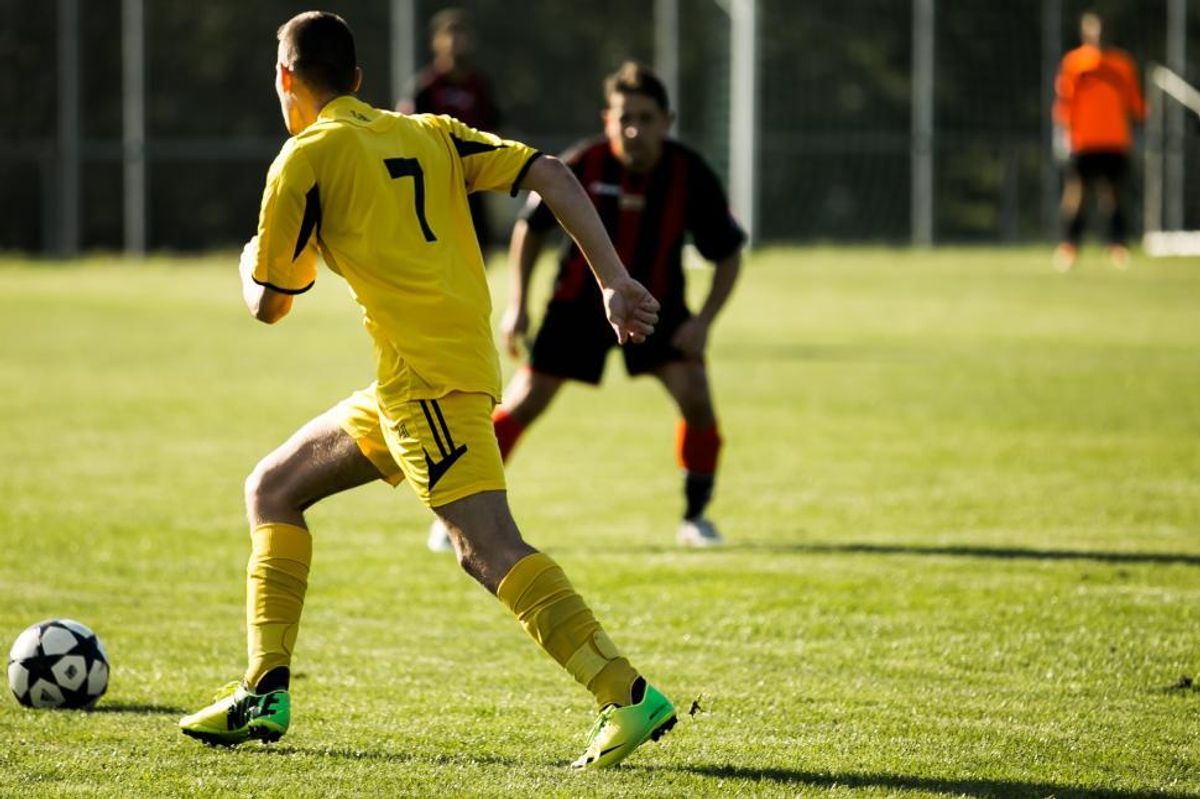
Soccer players require specific nutrition and diet plans to perform at their best on the field. In addition to proper nutrition, recovery techniques and training regimens play a crucial role in enhancing performance and endurance. This article will delve into key strategies for nutrition, recovery, and training tailored for serious soccer players.
Key Takeaways
- Maintain a balanced diet to fuel energy levels during training and matches
- Stay hydrated to improve endurance and prevent fatigue
- Plan pre-game meals to optimize performance on the field
- Prioritize rest days to allow the body to recover and prevent injuries
- Focus on quality sleep to enhance recovery and muscle repair
Nutrition Strategies for Peak Performance
Balanced Diet for Energy
We understand the importance of a balanced diet in fueling our bodies for the rigorous demands of soccer. Carbohydrates are the primary energy source for high-intensity sports like ours, so we make sure to include a variety of carb-rich foods in our meals. Whole grains, fruits, and vegetables are staples in our diet, providing not only energy but also essential nutrients.
Protein is crucial for muscle repair and growth. We incorporate lean proteins such as chicken, fish, and legumes into our meals. It’s not just about the macronutrients, though; micronutrients play a significant role as well. We focus on getting a mix of vitamins and minerals by consuming a colorful array of produce. To ensure we’re on the right track, here’s a simple list of snacks that align with our nutrition goals:
- Whole grain sandwiches with lean meats
- Greek yogurt with berries
- Nuts and seeds for healthy fats
- Protein/energy balls
Maintaining a balanced diet is not just about the food we eat; it’s about the timing and the combination of foods that optimize our energy levels throughout the day.
By planning our meals and snacks around our training and match schedules, we can maintain steady energy levels and avoid the pitfalls of energy spikes and crashes. This strategic approach to nutrition helps us stay at the top of our game.
Hydration for Endurance
We understand the critical role that hydration plays in maintaining endurance on the pitch. Proper hydration is essential for peak physical performance and can be the difference between a good and a great soccer player. It’s not just about drinking water; it’s about ensuring that our bodies have the right balance of fluids and electrolytes before, during, and after the game.
Electrolytes are vital for our muscle function and help prevent cramping, a common issue that can hinder a player’s ability to perform. Here’s a simple guide to help us stay on top of our hydration game:
- Drink 17-20 ounces of water 2-3 hours before the game
- Consume 7-10 ounces of water every 10-20 minutes during the game
- Rehydrate post-game with water and an electrolyte drink
Remember, the color of our urine is a good indicator of our hydration level. Aim for a light straw color to ensure we’re well-hydrated.
Research suggests that incorporating supplements like creatine, caffeine, and sodium bicarbonate can further enhance hydration and performance. However, it’s crucial to consult with a nutritionist or a healthcare provider before adding any supplements to our regimen.
Pre-Game Meal Planning
As we approach game day, we understand the importance of a well-structured pre-game meal. This meal is crucial as it fuels our bodies for the intense activity ahead. Timing is everything; we aim to eat our pre-game meal 3 to 4 hours before kickoff to ensure optimal digestion and energy utilization.
Carbohydrates are our main focus, providing the energy needed to sustain us throughout the match. However, we don’t ignore proteins and fats, which are essential for muscle repair and sustained energy release. Here’s a simple breakdown of what our pre-game meal might look like:
- Complex carbohydrates: Whole grain bread, brown rice, or pasta
- Lean protein: Grilled chicken, turkey, or tofu
- Healthy fats: Avocado or nuts
- Fruits and vegetables: Bananas for potassium, leafy greens for iron
It’s also important to avoid heavy, greasy foods or anything that might cause stomach discomfort. We keep our meals familiar and consistent, avoiding trying new foods on game day.
Hydration is another key element we address in our pre-game meal planning. We start hydrating the day before and continue sipping water up to the match. This ensures we’re adequately hydrated but not uncomfortably full of fluids.
Recovery Techniques for Optimal Rest
Importance of Rest Days
We understand the temptation to push ourselves daily, but rest days are crucial for our bodies to repair and strengthen. Incorporating rest days into our routine is not a sign of weakness, but rather a strategic move towards long-term success and injury prevention.
Recovery is not just about taking time off; it’s about actively supporting our body’s natural healing processes. Here’s a simple list to ensure we’re making the most of our rest days:
- Prioritize sleep, aiming for 7-9 hours to maximize recovery.
- Engage in light activities like walking or yoga to promote blood flow.
- Focus on nutrition, especially foods rich in protein and antioxidants.
- Stay hydrated to help flush out toxins and reduce muscle soreness.
Remember, rest is a critical component of training. It allows for the necessary time for recovery, rest, and sleep, which are integral to reaching peak athletic performance.
By respecting our body’s need for a break, we can return to training with more vigor and a reduced risk of injury. Embrace rest days as an opportunity to reflect on our progress and set goals for the upcoming sessions.
Post-Match Recovery
After a grueling match, we understand the importance of kick-starting the recovery process immediately. Active recovery is crucial; it helps to reduce muscle soreness and prepare our bodies for the next challenge. We often employ a variety of recovery techniques that are tailored to each player’s needs.
Our post-match recovery routine includes a cool-down period with light jogging and dynamic stretching to facilitate muscle recovery.
We also prioritize rehydration and refueling with a balanced meal rich in carbohydrates and protein. Here’s a simple breakdown of our post-match nutrition:
- Rehydrate with water or an electrolyte drink
- Consume a carbohydrate-rich snack within 30 minutes
- Eat a balanced meal with protein to aid muscle repair
Additionally, we explore different active and passive post-exercise recovery techniques such as massage, foam rolling, stretching, or ice baths among others. These methods are not just about physical recovery; they also provide psychological benefits, helping us to relax and mentally prepare for upcoming training sessions or matches.
Sleep Quality for Recovery
We understand the critical role that sleep plays in recovery. During sleep, the body goes through essential processes such as muscle repair, memory consolidation, and energy restoration. It’s not just about the quantity of sleep, but the quality that truly matters for us as soccer players.
Sleep quality can be influenced by various factors, including our sleep environment and pre-sleep routines. To ensure we’re getting the restorative sleep needed, we’ve established a few guidelines:
- Maintain a consistent sleep schedule, even on weekends.
- Create a restful environment with minimal light and noise.
- Avoid heavy meals and caffeine close to bedtime.
By prioritizing sleep, we’re not just resting our bodies, but actively enhancing our performance for the next day’s challenges.
Researchers have highlighted the impact of sleep on athletic performance, and we’ve taken this to heart. Ensuring we get adequate rest is a non-negotiable part of our recovery strategy.
Training Regimens for Soccer Success
Strength Training for Power
We understand the importance of strength training in building the necessary power for soccer. Incorporating weightlifting into our routine not only enhances muscle strength but also improves our overall athletic performance. A well-structured strength program focuses on compound movements that engage multiple muscle groups, maximizing efficiency and results.
Consistency is key in seeing progress. We aim to hit the gym at least twice a week, focusing on exercises like squats, deadlifts, and bench presses. Here’s a sample weekly strength training plan:
- Monday: Lower body focus (squats, lunges, leg press)
- Wednesday: Upper body focus (bench press, pull-ups, shoulder press)
- Friday: Core and stability (planks, side planks, Russian twists)
Remember, the goal is to increase strength without adding unnecessary bulk, which could hinder our agility on the field. We carefully balance our strength sessions with agility and endurance training to maintain a well-rounded athletic profile.
Agility Drills for Speed
We’ve always emphasized the importance of agility in soccer. It’s not just about how fast you can run, but how quickly you can change direction and accelerate again. Agility drills are crucial for developing this kind of explosive speed. One of the best drills we’ve found is the 10m Fly, which focuses on short bursts of speed. Remember, it’s not just about training with the soccer ball; you must also incorporate pure speed drills into your routine.
To maximize the benefits of agility drills, consistency is key. Ensure you’re performing these exercises at least twice a week, and always keep track of your progress with an accurate Speed Timing System.
Here’s a simple drill sequence to get you started:
- Start with a dynamic warm-up to prepare your muscles.
- Perform the 10m Fly drill, focusing on explosive starts.
- Include cone drills that require sharp turns and rapid direction changes.
- Cool down with stretches to prevent injury and promote flexibility.
Endurance Workouts for Stamina
After focusing on strength and agility, we turn our attention to the cornerstone of soccer fitness: endurance. Endurance workouts for stamina are crucial because they help us maintain a high level of play throughout the entire match. We incorporate high-rep, low-weight exercises such as planks, which are proven to improve muscle endurance and stamina. This contributes to our improved performance on the field.
To ensure we’re on the right track, we follow a structured regimen:
- Start with a warm-up to increase heart rate and blood flow.
- Proceed to interval training, alternating between high-intensity sprints and active recovery.
- Incorporate long-distance runs to build aerobic capacity.
- Finish with a cool-down to aid recovery and reduce muscle soreness.
It’s essential to remember that endurance training is a marathon, not a sprint. Consistency over time yields the best results.
By adhering to these practices, we not only boost our stamina but also enhance our overall match readiness, ensuring we’re prepared for the full 90 minutes and beyond.
Conclusion
In conclusion, nutrition and diet play a crucial role in the performance and success of serious soccer players. By following the pro tips outlined in this article, players can optimize their energy levels, recovery, and overall health to excel on the field. Remember, a well-balanced diet and proper nutrition are essential components of a successful soccer training regimen. Stay informed, stay fueled, and stay ahead of the game. For more insights on soccer and equipment, visit Soccer Rondo, a blog dedicated to educating users about the sport and the latest equipment, offering tips, tricks, reviews, and explanations.
Frequently Asked Questions
What should a serious soccer player eat before a game to maximize performance?
A balanced meal consisting of carbohydrates for energy, protein for muscle repair, and some healthy fats is ideal. Avoid heavy or greasy foods that may cause discomfort during play.
How much water should a soccer player drink during a match to stay hydrated?
It is recommended to drink about 7-10 ounces of water every 10-20 minutes during a match to maintain hydration levels and prevent fatigue.
What are some effective recovery methods for soccer players after a match?
Strategies like light stretching, foam rolling, and consuming a protein-rich snack can help with muscle recovery and reduce soreness post-match.
Why are rest days important for soccer players’ training schedules?
Rest days allow the body to recover and repair muscles, reducing the risk of overtraining injuries and improving overall performance in the long run.
How does sleep quality impact a soccer player’s recovery and performance?
Quality sleep is crucial for muscle repair, hormone regulation, and mental focus. Aim for 7-9 hours of uninterrupted sleep each night for optimal recovery.
What types of strength training exercises are beneficial for soccer players looking to improve power?
Exercises like squats, lunges, and plyometric movements can help build lower body strength and explosive power essential for sprinting and jumping in soccer.