
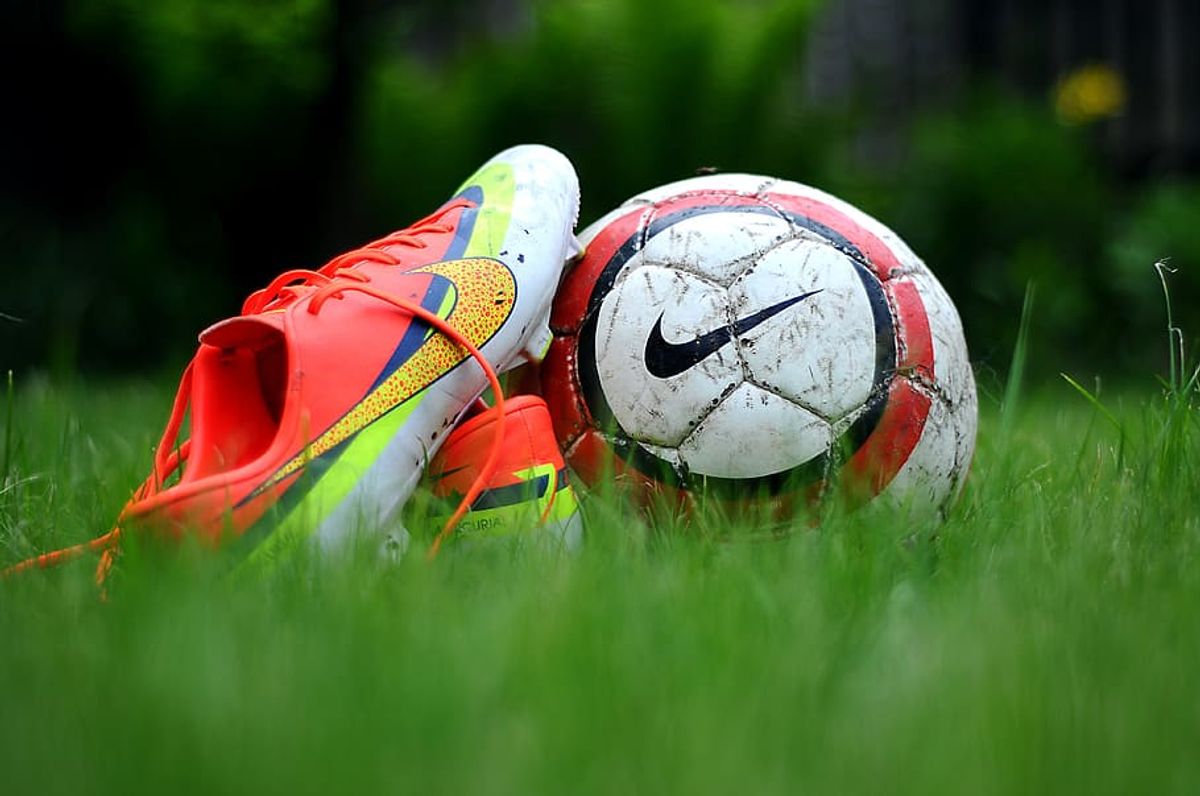
Soccer Rondo is a blog that educates users about the sport and the latest equipment. It includes tips and tricks, reviews, and explanations. When choosing the perfect soccer cleats, it’s essential to consider key factors such as material, fit, and playing style. Understanding the types of soccer cleats available, including firm ground, soft ground, and artificial turf options, can help you make an informed decision. Additionally, comparing popular brands like Nike, Adidas, and Puma can assist in finding the right pair for your needs. Lastly, proper maintenance tips like cleaning, drying, and storage can prolong the life of your soccer cleats.
Key Takeaways
- Consider material, fit, and playing style when choosing soccer cleats
- Understand the differences between firm ground, soft ground, and artificial turf cleats
- Compare popular soccer cleat brands like Nike, Adidas, and Puma
- Follow maintenance tips for cleaning, drying, and storage to extend cleat lifespan
- Choose soccer cleats that suit your playing style and provide comfort and support
Key Factors to Consider
Material
When we’re on the hunt for new soccer cleats, the material they’re made from is a pivotal factor in our decision-making process. The right material affects everything from comfort to durability, and ultimately, our performance on the pitch.
Leather cleats, for instance, are renowned for their supple fit and touch, molding to the shape of our feet over time. Synthetic materials, on the other hand, offer a lighter option with greater water resistance, which can be crucial in adverse weather conditions. Knitted cleats have surged in popularity due to their breathability and snug fit, providing that barefoot sensation many of us crave.
While each material has its own set of advantages, it’s essential to weigh these against our personal needs and preferences.
Here’s a quick rundown of the materials and their key characteristics:
- Leather: Offers a classic feel with superior comfort.
- Synthetic: Lightweight and often water-resistant.
- Knitted: Provides flexibility and a close-to-foot feel.
Ultimately, the choice of material should align with our individual requirements, whether we prioritize comfort, durability, or performance.
Fit
When we’re on the hunt for new soccer cleats, fit is paramount. It’s not just about the size; it’s about how the cleat conforms to the unique shape of our feet. A proper fit ensures comfort, enhances performance, and reduces the risk of injury. Here’s what we consider to ensure a glove-like fit:
- Measure your feet regularly: Our feet can change over time, so it’s essential to measure them before each new purchase.
- Try them on in the afternoon: Feet tend to swell throughout the day, so trying on cleats in the afternoon can give a better sense of how they’ll fit during play.
- Wear your game-day socks: The thickness of your socks can greatly affect the cleat’s fit, so always try them on with the socks you’ll wear during matches.
Remember, a snug fit is crucial, but there should always be a thumb’s width of space between your toes and the front of the cleats to avoid cramping and blisters.
Lastly, the closure system—whether laces, straps, or a combination—plays a significant role in securing the cleat to your foot and providing necessary support. We always make sure the closure system feels secure without causing undue pressure or discomfort.
Playing Style
When we choose soccer cleats, we must consider our playing style to ensure optimal performance on the field. Different positions require different types of cleats for maximum efficiency and comfort. For example, a defender might prioritize stability and protection, while a midfielder would look for cleats that aid in quick directional changes.
- Forwards need lightweight cleats for sprints and quick movements.
- Midfielders should look for cleats that offer a balance between control and comfort.
- Defenders require cleats with added protection and stability.
- Goalkeepers benefit from cleats that enhance traction and movement.
It’s essential to match the cleat to the demands of your position on the pitch. This not only improves your game but also helps prevent injuries.
Remember, the best soccer cleats for you might not be the most expensive or the most popular. They are the ones that fit your playing style and help you perform your best. Whether you shop at specialized stores like SoccerPro.com or elsewhere, always keep your playing style in mind.
Types of Soccer Cleats
Firm Ground
When we’re talking about firm ground soccer cleats, we’re referring to shoes designed for use on natural grass pitches that are hard or have a slight give. These cleats typically feature conical or bladed studs to provide optimal traction and stability.
Durability is a key factor when choosing firm ground cleats, as the harder surface can wear down the studs more quickly. Here’s a quick rundown of what to look for:
- Stud Pattern: Look for a pattern that offers good grip and even pressure distribution.
- Material: Synthetic materials can offer good durability and water resistance.
- Comfort: Ensure the cleats fit snugly without restricting movement.
Remember, the right pair of cleats can significantly enhance your performance on the field. It’s not just about the look; it’s about how they feel and function during play.
When considering your options, it’s worth noting that some of the top brands, like Nike, offer a range of firm ground cleats. For instance, the Nike Phantom GT2 Elite FG is a popular choice among players looking for a balance between comfort and performance.
Soft Ground
When we’re talking about playing on soft, muddy fields, soft ground soccer cleats are the go-to choice. These cleats typically feature longer, metal-tipped studs that can penetrate the surface for better traction. It’s crucial to use them only on soft surfaces to prevent injury and ensure they perform as designed.
- Metal-tipped studs for penetration
- Removable studs for customization
- Additional ankle support for uneven terrain
Remember, the right cleats not only improve your game but also help prevent injuries. Soft ground cleats are specifically designed for wet, muddy conditions where extra grip is essential.
While we’re on the subject, let’s not forget about the importance of choosing a reliable retailer. SoccerWorld, with their extensive collection and knowledgeable staff, can be a valuable resource when selecting your soccer gear. Their store at 43711 Ford Road in Canton is a testament to their commitment to soccer enthusiasts.
Artificial Turf
When we’re playing on artificial turf, the demands on our soccer cleats can be quite different from those on natural grass. The key is to look for cleats designed specifically for synthetic surfaces. These typically have a multitude of shorter studs or a flat sole, which help in providing the necessary grip without too much penetration, which can lead to injuries.
Durability is also a crucial factor, as artificial turf can be more abrasive than natural grass. Here’s a quick checklist to ensure you’re getting the most out of your artificial turf cleats:
- Check for the ‘AG’ (Artificial Ground) label.
- Opt for cleats with numerous small, rubber studs.
- Ensure the upper is robust enough to withstand the turf’s abrasiveness.
Remember, while some cleats are marketed as multi-ground, it’s best to use cleats specifically made for artificial turf when playing on that surface to maximize performance and minimize injury risk.
Brand Comparison
Nike
When we consider Nike soccer cleats, we’re looking at a brand that has consistently delivered innovation and performance. Nike’s commitment to technology is evident in their cleat designs, which aim to enhance player speed and ball control. The Mercurial, Tiempo, and Phantom series are among their most popular, each tailored to different types of players and playing conditions.
- Mercurial: Best for speed and agility
- Tiempo: Great for comfort and touch
- Phantom: Ideal for precision and control
Nike cleats are not just about performance; they also offer a wide range of styles and colors to suit personal preferences. The brand’s attention to aesthetic detail ensures that players feel confident and look sharp on the pitch.
One should also consider Nike’s initiatives in sustainability, with efforts to reduce environmental impact without compromising on quality. Their Flyknit technology, for example, creates a lightweight upper that’s both durable and eco-friendly. Choosing Nike means investing in a brand that values both the player’s needs and the planet’s future.
Adidas
When we turn our attention to Adidas, we’re looking at a brand that has consistently delivered quality soccer cleats with a focus on durability and performance. Adidas cleats are known for their comfort and stability, making them a top choice for players with wide feet.
Adidas offers a range of cleats that cater to different needs. For instance, the Adidas Copa Pure 2 Elite is designed for those who value a classic touch and feel, while the Adidas Predator Accuracy.1 FG is tailored for players who prioritize precision and control.
The key to Adidas’ success lies in their ability to combine innovative technology with a deep understanding of what soccer players need on the field.
Here’s a quick rundown of some of the top Adidas models for wide feet:
- Adidas Copa Pure 2 Elite
- Adidas Predator Accuracy.1 FG
- Adidas X Speedflow for those seeking lightweight agility
Remember, the right cleat isn’t just about the brand; it’s about how well it fits your unique foot shape and playing style.
Puma
When we talk about Puma, we’re discussing a brand that has consistently delivered value and quality in their soccer cleats. Puma’s dedication to innovation is evident in their latest designs, which cater to players of all levels. Their boots are known for their comfort and durability, making them a popular choice among athletes.
- Puma Future series
- Puma One lineup
- Puma King classics
These models have become staples on the pitch, offering a blend of traditional craftsmanship and modern technology. Most definitely, it’s hard to beat Puma when it comes to the value that they offer in comparison to other brands like Nike and adidas.
Puma’s soccer cleats are not just about performance; they also bring a unique style to the game. Their bold designs and colorways ensure that players stand out while they play.
Choosing Puma means opting for a legacy of excellence. Their commitment to football is unwavering, and their products reflect that passion. Whether you’re a beginner or a professional, Puma has a range of options to suit your needs.
Maintenance Tips
Cleaning
We all understand the importance of keeping our soccer cleats clean, not just for aesthetic reasons, but also to maintain their performance and longevity. Regular cleaning is essential to prevent dirt and grime from causing damage over time. Start by removing any excess mud or grass with a soft-bristled brush. For the actual cleaning, a mild detergent or soap is best so that it won’t harm the material of the shoe. Avoid using harsh chemicals such as bleach or ammonia because they can deteriorate the cleats.
When cleaning, pay special attention to the soles and cleats, as these areas are crucial for traction and control on the pitch.
Here’s a simple step-by-step guide to ensure your cleats stay in top condition:
- Knock off any loose dirt.
- Remove laces and insoles (wash separately if necessary).
- Gently scrub with a mixture of mild detergent and water.
- Rinse thoroughly with clean water.
- Wipe down with a dry cloth and let them air dry completely before use.
Drying
After cleaning your soccer cleats, drying them properly is crucial to maintain their shape and quality. Never place them near a direct heat source like a radiator or use a hairdryer, as this can damage the material and warp the shape. Instead, we opt for air drying in a well-ventilated area, away from direct sunlight to prevent the colors from fading.
Air circulation is key for effective drying. Remove the insoles and laces to open up the cleats, allowing air to flow freely inside. This not only speeds up the drying process but also helps in preventing the buildup of odors.
To ensure even drying and to help maintain the cleat’s shape, we stuff them with newspaper or a towel. This absorbs moisture and keeps the cleats from collapsing as they dry.
Here’s a simple checklist to follow:
- Remove insoles and laces for better air circulation.
- Stuff the cleats with newspaper or a towel to absorb moisture.
- Place the cleats in a well-ventilated area, away from direct heat and sunlight.
- Allow them to air dry completely before the next use.
Storage
When it comes to storing your soccer cleats, we’ve found that keeping them in a cool, dry place ensures their longevity. Avoid leaving them in your bag after a game or practice, as this can lead to the development of unpleasant odors and potential deterioration of the materials.
Ventilation is key to preventing mold and mildew. If you’re often on the move and need a practical solution, consider the Klitch Footwear Clip. This nifty gadget allows you to hang your cleats outside your bag, providing airflow and avoiding messy knots. It’s a game-changer for athletes who need to manage their gear efficiently.
Remember, proper storage is not just about cleanliness; it’s about preserving the performance and comfort of your cleats for future matches.
Here’s a simple checklist to ensure your cleats are stored correctly:
- Check for any remaining dirt or debris and remove it.
- Loosen the laces and open up the cleats to air them out.
- Use a shoe bag or the Klitch Footwear Clip for convenient and ventilated storage.
- Place them in an area away from direct sunlight and moisture.
Conclusion
In conclusion, choosing the perfect soccer cleats is essential for every player looking to enhance their performance on the field. By considering factors such as fit, material, and playing style, players can find the ideal cleats that suit their needs. Soccer Rondo, a blog dedicated to educating users about the sport and the latest equipment, provides valuable insights and recommendations to help players make informed decisions. With the right pair of cleats, players can feel confident, comfortable, and ready to take on any challenge on the soccer field.
Frequently Asked Questions
How do I choose the right material for soccer cleats?
The material of soccer cleats can vary, with options like leather, synthetic, and knit. Consider your playing style and budget when choosing the material.
What is the importance of a proper fit in soccer cleats?
A proper fit ensures comfort, performance, and reduces the risk of injuries. Make sure your cleats are snug but not too tight.
How does playing style affect the choice of soccer cleats?
Different playing styles require different features in cleats. For example, strikers may prefer lightweight cleats for speed, while defenders may prioritize durability.
What are firm ground soccer cleats suitable for?
Firm ground cleats are ideal for playing on natural grass fields. They provide traction and stability on firm surfaces.
When should I choose soft ground soccer cleats?
Soft ground cleats are designed for wet and muddy conditions. They offer enhanced grip and prevent slippage on soft surfaces.
Can artificial turf soccer cleats be used on other surfaces?
Artificial turf cleats are specifically designed for synthetic turf fields. While they can be used on other surfaces, they may not provide the same level of traction.