
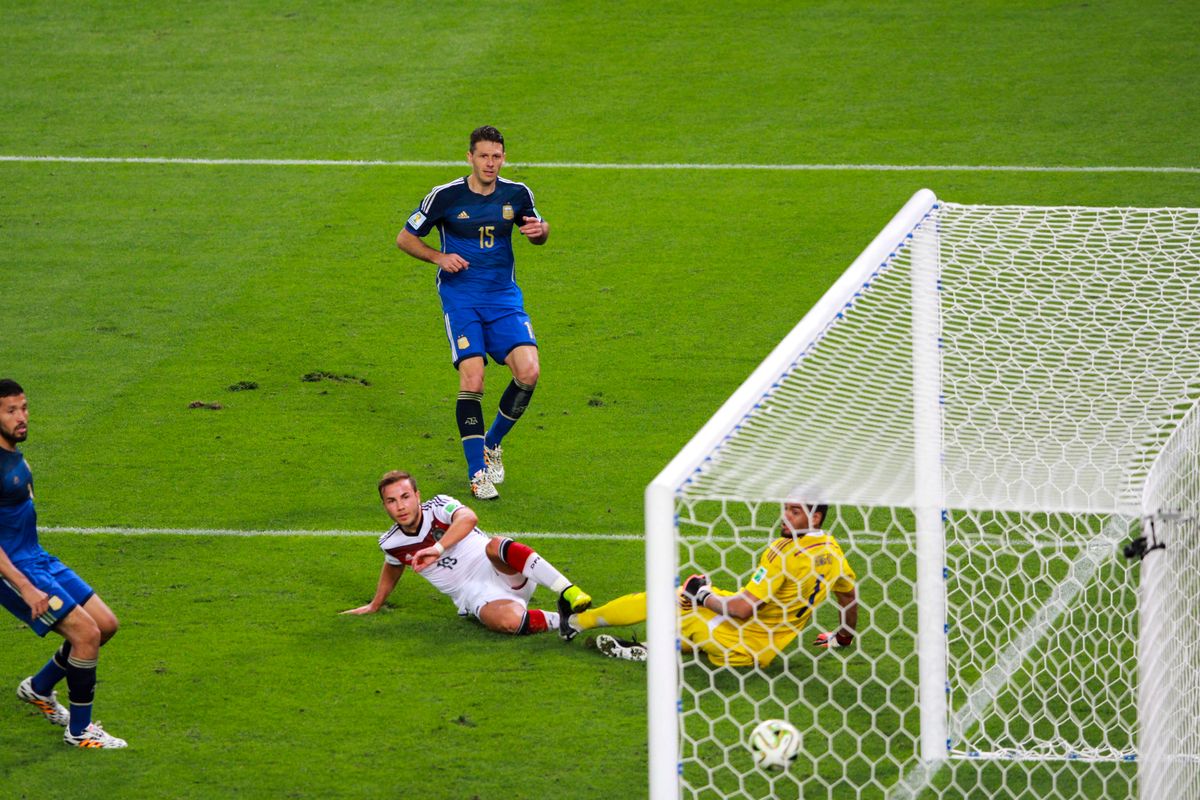
Are you looking to take your soccer skills to the next level? In this article, we will delve into expert tips to help you advance from an amateur to a pro player. From mastering ball control to improving shooting accuracy and enhancing tactical awareness, these tips will elevate your game on the field. Let’s explore the key takeaways from each section:
Key Takeaways
- Practice dribbling techniques consistently to enhance your ball control skills.
- Focus on your first touch drills to improve your control and precision during gameplay.
- Work on your shooting accuracy by mastering placement shots and power strikes.
- Develop your tactical awareness through positioning strategies and effective team communication.
- Read the game by analyzing the movements of players and anticipating plays to make informed decisions.
Mastering Ball Control
Dribbling Techniques
As we delve into the art of dribbling, it’s crucial to recognize the moments that call for a deft touch or a rapid change of pace. Mastering 1v1 situations is essential, as it often determines whether we can break through an opponent’s defense. To excel, we must understand the dynamics of when to take on a defender directly.
- Evaluate the defender’s position and stance
- Assess your own speed and control
- Decide on the most effective move to create space
Remember, the goal is not just to get past the defender, but to do so in a way that maintains possession and advances the play.
Incorporating these steps into our training will ensure that our dribbling becomes a powerful tool in our arsenal. By practicing with intent and focusing on these key aspects, we can enhance our ability to make decisive moves on the pitch.
Turning Skills
As we delve into the art of turning, it’s essential to recognize that the ability to change direction swiftly is a game-changer on the pitch. Turning on the ball is a crucial skill, especially when navigating tight spaces or evading opponents. To enhance this skill, we’ve compiled a list of drills that focus on agility and spatial awareness.
Turning should be as natural as breathing for a soccer player. Here’s a simple drill sequence to get started:
- Inside Cut
- Outside Hook
- Cruyff Turn
- La Croqueta
- Step Over Turn
Remember, the key to mastering turns is repetition and gradual increase in speed. Start slow to ensure proper technique, then build up pace as you gain confidence.
Incorporating these drills into your regular training routine will significantly improve your ability to turn under pressure, making you a more versatile and unpredictable player.
First Touch Drills
Mastering your first touch is crucial for maintaining possession and gaining an advantage over your opponents. We’ve developed a series of drills that focus on improving this skill. Each drill is designed to simulate match conditions, ensuring that you’re not just practicing, but also preparing for real game scenarios.
- Start with the Basic Control Drill: Trap and control the ball from various heights and speeds.
- Move on to the Directional Touch Drill: Control the ball with the intent to move towards a specific direction immediately.
- Practice the Pass and Move Drill: Receive a pass and make your first touch into space, followed by a quick pass back.
Remember, the key to a great first touch is not just stopping the ball, but also setting yourself up for the next move. It’s about thinking one step ahead and making the ball work for you.
Incorporate these drills into your regular training sessions, and you’ll notice a significant improvement in your ability to handle the ball under pressure. Consistency is key, so make sure to practice regularly and with purpose.
Improving Shooting Accuracy
Placement Shots
To elevate our game, we focus on the art of placement shots. This skill is crucial for outsmarting goalkeepers and securing goals where power isn’t the key, but precision is.
Perfecting placement shots requires practice and finesse. We start by setting up drills that mimic match scenarios, ensuring that we’re prepared for any situation on the pitch.
- Identify the goalkeeper’s position
- Choose the corner of the goal
- Use the inside of your foot for better control
- Follow through towards your target
Consistency is key. Regularly practicing these steps will lead to more accurate and confident shooting during matches.
Remember, the goal isn’t just to hit the ball hard, but to place it where the keeper can’t reach. With dedication and the right technique, we can all become masters of placement shots.
Power Strikes
When we talk about scoring goals, the ability to unleash a powerful strike can be a game-changer. We’ve all witnessed moments where a player’s power strike turns the tide of a match. To develop this skill, we focus on three core elements: technique, leg strength, and timing.
Technique is paramount when it comes to power strikes. It’s not just about hitting the ball as hard as possible; it’s about striking it correctly. Here’s a simple breakdown of the technique:
- Plant your non-kicking foot beside the ball
- Keep your body over the ball
- Hit the ball with the laces of your boot
- Follow through towards your target
To enhance leg strength, incorporate exercises such as squats, lunges, and plyometric drills into your training routine. Consistent practice will translate into more forceful shots on the pitch.
Timing is the final piece of the puzzle. Striking the ball at the right moment is crucial for maximizing power. Work on anticipating the ball’s movement and connecting with it at the optimal point. Remember, a well-timed power strike can be unstoppable.
Finesse Finishes
After mastering the power and placement of our shots, we turn our attention to the art of finesse finishes. These are the types of goals that make the crowd gasp in admiration, the curling shots that bend around defenders and leave goalkeepers rooted to the spot.
Finesse shots are a real weapon, especially when we find ourselves outside the penalty area. It’s a skill that requires precision and composure, and here’s how we can start to perfect it:
- Position the ball slightly ahead of your standing foot.
- Use the inside of your foot to generate curve.
- Strike the ball with a smooth follow-through.
Remember, the key to a successful finesse shot is not the power, but the placement and the spin you impart on the ball. It is best used in one-on-one duels with the goalkeeper and for shots from distance.
By incorporating these techniques into our training, we can begin to add an extra layer of sophistication to our finishing repertoire. With practice, we’ll be able to confidently execute finesse shots that can change the course of a game.
Enhancing Tactical Awareness
Positioning Strategies
In our journey from amateur to pro, we understand that the essence of soccer lies not only in the flair of individual skill but also in the strategic placement on the field. Maintaining a strong defensive shape is crucial. This involves positioning players to cover the field efficiently, denying spaces for opponents to exploit. Our guide, A Guide To Defensive Positioning in Soccer – Be Your Best, emphasizes the importance of this aspect.
To excel in positioning, one must be constantly aware of their surroundings, anticipating the opponent’s next move and adjusting accordingly.
Here’s a simple breakdown of key positioning strategies:
- Always stay goal-side of your opponent to shield the goal effectively.
- Communicate with teammates to ensure coverage of all attacking threats.
- Adjust your position based on the ball’s location, keeping the play in front of you.
- Learn to read the opponent’s body language to predict their next move.
Team Communication
In our journey from amateur to pro, we’ve learned that clear and concise communication is the cornerstone of effective teamwork. It’s not just about shouting directions; it’s about conveying the right message at the right time. For instance, a simple call such as "Man on!" can alert a teammate to an approaching opponent, potentially averting a turnover.
Verbal cues are essential, but so are non-verbal signals. A pointed gesture or a nod can convey as much information as a shouted instruction. To ensure we’re all on the same page, we’ve developed a set of standard calls and gestures that are universally understood within our team.
We must always be attuned to the flow of the game, ready to communicate at a moment’s notice. This silent understanding between players can be the difference between a good team and a great one.
Here’s a simple table outlining some of the basic communication calls we use:
| Call | Meaning |
|---|---|
| "Man on!" | Alert of an approaching player |
| "Time!" | Indicate space and time |
| "Switch!" | Command to change the play |
By mastering these communication techniques, we’re not just improving as individual players; we’re elevating our collective performance to new heights.
Reading the Game
Understanding the flow and dynamics of a soccer match is crucial for making intelligent decisions on the field. We’ve all experienced moments when the game seems to move too fast to keep up. However, by enhancing our ability to read the game, we can anticipate the opponent’s moves and react more swiftly.
Reading the game involves more than just watching the ball. It’s about recognizing patterns, understanding the strengths and weaknesses of both teams, and being aware of the positioning of players. Here are a few tips to improve this skill:
- Always keep your head up and scan the field.
- Pay attention to the body language of opponents and teammates.
- Study professional matches to observe how top players position themselves.
By consistently practicing these strategies, we can develop a more tactical approach to the game, allowing us to be one step ahead of the competition.
Remember, soccer is not just a physical sport; it’s a mental challenge as well. The more we train our minds to strategize and predict outcomes, the better players we become.
Conclusion
In conclusion, advancing your soccer skills from amateur to pro requires dedication, practice, and expert guidance. By following the expert tips provided in this article, you can enhance your technique, strategy, and overall performance on the field. Remember, continuous learning and improvement are key to mastering the sport. Stay updated with Soccer Rondo for more valuable insights, tips, and reviews to elevate your game to the next level.
Frequently Asked Questions
What are some essential dribbling techniques to master for better ball control?
Some essential dribbling techniques to master include the inside cut, outside cut, step-over, and drag-back.
How can I improve my first touch in soccer?
You can improve your first touch by practicing receiving the ball with different parts of your body, focusing on cushioning the ball and controlling its direction.
What is the key to executing placement shots accurately in soccer?
The key to executing placement shots accurately is to pick your spot on the goal, keep your body balanced, and use the inside of your foot to place the ball precisely.
How can I increase the power of my strikes when shooting in soccer?
To increase the power of your strikes, focus on your technique, plant your non-kicking foot firmly, and follow through with your kicking leg to generate more power.
What is the difference between finesse finishes and power strikes in soccer?
Finesse finishes involve using finesse and precision to place the ball into the net, while power strikes rely on generating maximum power to shoot the ball with force.
Why is positioning important in soccer and how can I improve my positioning on the field?
Positioning is crucial in soccer as it allows you to anticipate plays, support your teammates, and create scoring opportunities. You can improve your positioning by studying the game, communicating with your teammates, and analyzing your own performance.