
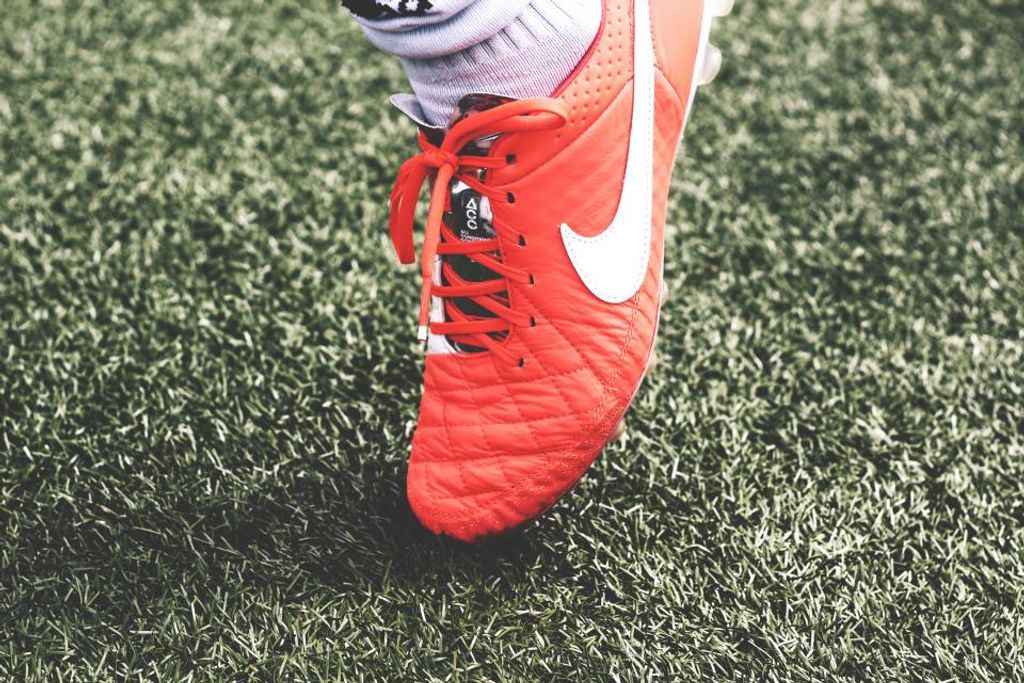
Choosing the right cleats for each type of playing surface is crucial for traction, comfort, and injury prevention. In this comprehensive guide, we’ll compare the top football cleats for different playing surfaces and help you decide which is best for your needs.
Key Takeaways
- Choosing the right cleats for different playing surfaces is important for traction and safety.
- For natural grass, look for cleats with shorter studs for quick cuts and pivots.
- Artificial turf requires cleats with grippy TPU studs for exceptional traction.
- Hard ground surfaces like concrete and asphalt call for durable cleats with good shock absorption.
- On soft ground surfaces like muddy fields and wet grass, cleats with longer studs provide better traction.
Grass Playing Surfaces
Natural Grass
Natural grass provides solid traction with the right cleats. The yielding and uneven terrain requires flexible cleats with many short studs. This allows for quick cuts and pivots. Longer studs may get caught in thicker or more overgrown grass. Look for cleats with 3/4-inch or shorter studs. Exchangeable studs are ideal to adjust length as needed. Natural grass is softer underfoot than artificial turf. Prioritize comfort through a molded footbed. Look for pliable uppers that conform to your foot.
Artificial Grass
Artificial grass is a synthetic surface that requires numerous short studs spaced close together to engage the surface. Look for cleats with at least 10-12 short studs for optimal traction. Since artificial grass is flat and hard, cleats with thicker outsoles and studs are recommended to cushion impacts. Thermoplastic polyurethane (TPU) studs compress and spring back underfoot, providing stability and support. Additionally, abrasion-resistant uppers are important to prevent wear and tear on the cleats. Prioritizing comfort with a molded footbed and pliable uppers will enhance your performance on artificial grass surfaces.
Turf Playing Surfaces
Indoor Turf
When playing on indoor turf, it is important to wear the right footwear that provides the necessary traction. Indoor soccer shoes are not suitable for this surface as they do not offer the required grip. Instead, look for turf soccer shoes that have short rubber studs or multi-directional nubs. These features enhance traction and prevent excessive stud pressure on the turf. Additionally, prioritize comfort by choosing shoes with a molded footbed and pliable uppers that conform to your foot. Thicker outsoles and studs are also recommended to cushion impacts on the flat and hard artificial turf.
Outdoor Turf
Outdoor turf is a type of playing surface that is commonly found in outdoor sports fields and stadiums. It is made of synthetic materials that mimic the look and feel of natural grass. Outdoor turf provides a consistent and durable surface for athletes to play on, regardless of weather conditions. One important factor to consider when choosing cleats for outdoor turf is the traction they provide. Cleats with short studs or spikes are ideal for outdoor turf, as they allow for quick movements and prevent slipping. Additionally, cleats with cushioned insoles can provide added comfort and support during intense gameplay. When selecting cleats for outdoor turf, it is important to choose a pair that fits well and provides the necessary support and stability for your feet. This will help prevent injuries and enhance your performance on the field.
Hard Ground Playing Surfaces
Concrete
When playing on concrete surfaces, it is important to have cleats that provide excellent traction and durability. Concrete can be a hard and unforgiving surface, so having cleats with a high-traction rubber outsole can help prevent slipping and provide stability. Additionally, cleats with reinforced toe caps and cushioned padding can offer extra protection against impacts. It is also important to choose cleats that are comfortable and provide good support, as playing on concrete can be tough on the feet. Overall, finding cleats that are specifically designed for hard ground surfaces like concrete can greatly enhance performance and reduce the risk of injuries.
Asphalt
Asphalt is a hard ground playing surface that can be quite unforgiving on the feet. When playing on asphalt, it is important to choose cleats that provide excellent traction and durability. Look for cleats with firm ground/FG studs that are designed to penetrate compacted surfaces. These cleats typically have conical studs that allow for gripping on uneven terrain. Additionally, consider cleats with cushioning features such as EVA/TPU midsoles and sockliners to provide comfort and support on the hard surface.
Soft Ground Playing Surfaces
Muddy Fields
When playing on muddy fields, it is crucial to have soccer cleats that provide optimal traction and stability. These cleats are designed specifically for soft and wet natural surfaces, making them perfect for rainy game days and early morning matches. They are equipped with features such as conical studs that allow gripping on uneven terrain and ensure multi-directional traction. Additionally, they prioritize cushioning through EVA/TPU midsoles and sockliners to provide comfort and support on the firm ground. The uppers of these cleats should flex and mold comfortably around your foot, allowing for ease of movement and durability in the outdoor environment. With the right soccer cleats for muddy fields, you can confidently navigate through the challenging conditions and focus on your performance.
Wet Grass
When playing on wet grass, it is important to prioritize traction and stability. The slippery surface can make it difficult to maintain balance and make quick movements. Look for cleats with deep, multidirectional studs that can dig into the ground and provide grip. Additionally, consider cleats with a water-resistant upper to keep your feet dry. It is also a good idea to bring an extra pair of socks to change into during halftime or breaks to ensure maximum comfort. Remember to regularly clean and dry your cleats after playing on wet grass to prevent mold and odor buildup.
Conclusion
Choosing the right cleats for different playing surfaces is crucial for traction, comfort, and injury prevention. In this comprehensive guide, we compared the top football cleats optimized for various surfaces. The Adidas Adizero 8.0 is the best choice for artificial turf, providing exceptional traction with its grippy TPU studs and lightweight mesh upper. For hard natural grass, the Nike Alpha Menace Pro 2 with its conical and bladed studs is the ideal option. Remember to select cleats based on the specific playing surface to maximize performance and minimize the risk of injuries.
Frequently Asked Questions
Why is choosing the right cleats important for different playing surfaces?
Choosing the right cleats for different playing surfaces is important for traction, comfort, and preventing injury. The type of surface can affect how well you grip the ground and move, so having the appropriate cleats can enhance your performance and reduce the risk of accidents.
What are the different types of playing surfaces in football?
There are several types of playing surfaces in football, including natural grass, artificial grass, turf (indoor and outdoor), and hard ground (concrete and asphalt). Each surface has its own characteristics and requires specific cleats for optimal performance.
What are the best cleats for natural grass?
For natural grass, cleats with shorter studs are recommended. These provide good traction without getting caught in the grass. Look for cleats with 3/4-inch or shorter studs for optimal performance on natural grass.
Are there specific cleats for artificial grass?
Yes, there are cleats designed specifically for artificial grass. These cleats often have longer and more numerous studs to provide better traction on the artificial surface. They are designed to prevent slipping and provide stability.
What type of cleats are suitable for turf surfaces?
Turf surfaces, both indoor and outdoor, require cleats with shorter studs or rubber nubs. These cleats are designed to provide traction on the turf without damaging the surface. They offer good grip and stability for quick movements.
Can the same cleats be used for different playing surfaces?
While some cleats are versatile and can be used on different playing surfaces, it is generally recommended to use cleats specifically designed for each surface. This ensures optimal performance and reduces the risk of injury.