
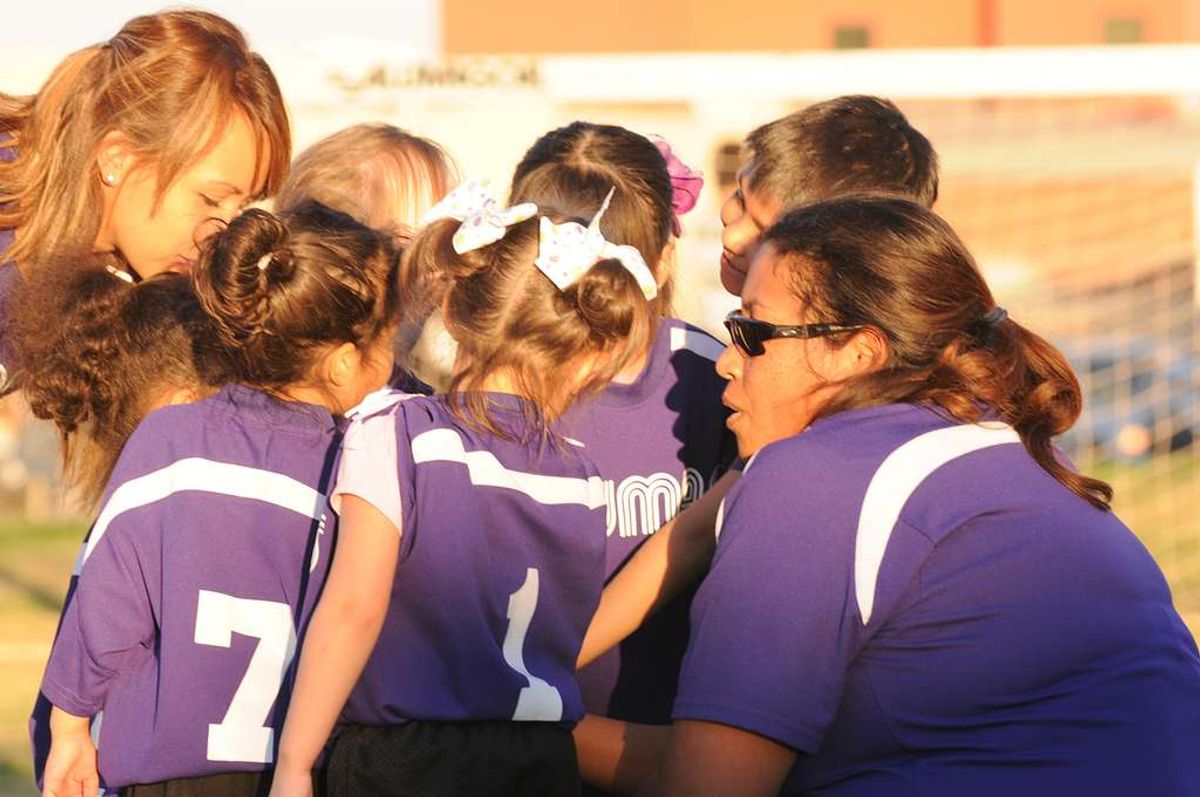
Effective communication is essential for success on the field, whether you are a player or a coach. It plays a crucial role in building trust, resolving conflicts, and enhancing leadership skills. In this article, we will explore key strategies and techniques that can improve communication among team members and contribute to a positive and productive sports environment.
Key Takeaways
- Active listening is a fundamental skill for effective communication on the field.
- Clear and concise instructions help avoid confusion and improve team performance.
- Feedback and encouragement are vital for motivating players and fostering a positive team dynamic.
- Establishing open communication channels builds trust and enhances team cohesion.
- Conflict resolution through constructive dialogue and finding common ground promotes a harmonious team environment.
Effective Communication Strategies for Players
Active Listening Techniques
As we step onto the field, we recognize that active listening is as crucial as any physical skill. We must give our full attention to the speaker, ensuring we understand their message and intent. This means avoiding interruptions and reflecting on what’s being said before responding.
- Maintain eye contact
- Nod and show understanding
- Ask clarifying questions
- Paraphrase to confirm understanding
By practicing active listening, we not only grasp the strategy and tactics being communicated but also foster a sense of respect and cooperation among the team. It’s about being present in the conversation, which in turn enhances our performance on the field.
Clear and Concise Instructions
In our quest to enhance our performance on the field, we’ve learned that the ability to convey instructions clearly and concisely is paramount. We must strip away any ambiguity to ensure that every player understands their role and responsibilities. This is not just about what we say, but also how we say it.
Clarity is the cornerstone of effective instruction. Here’s a simple list to help us remember the key components:
- Use simple language
- Avoid jargon unless it’s commonly understood
- Be direct and to the point
- Repeat key instructions when necessary
By focusing on these elements, we foster an environment where instructions are not just heard, but comprehended and executed.
Remember, time on the field is limited, and every second counts. Ensuring that our messages are received the first time can be the difference between a good play and a great one. Let’s make our communication count.
Feedback and Encouragement
As we strive to improve our performance on the field, we understand the vital role of feedback in fostering growth. It’s not just about pointing out what went wrong; it’s about crafting actionable suggestions that can lead to behavior shifts and seeking improvement.
- Focus on specific behaviors rather than personal attributes.
- Ensure feedback is timely and relevant to the situation.
- Encourage players to reflect on their performance and identify areas for growth.
Feedback should be a two-way street, where encouragement is just as important as constructive criticism. It’s about building each other up, not tearing down.
By providing motivation feedback, we not only address the present but also empower our teammates for future challenges. Remember, the goal is to create a positive and supportive environment where everyone feels valued and driven to excel.
Building Trust and Rapport
Establishing Open Communication Channels
In our quest to build a cohesive team, we recognize the importance of establishing open communication channels. This is not just about talking more; it’s about creating an environment where every player and coach feels comfortable sharing their thoughts and concerns.
Transparency is key to this process. We strive to ensure that information is shared openly and without barriers. This includes both the good and the bad, as honesty fosters trust and understanding among team members.
- Encourage players to speak up in team meetings
- Provide regular one-on-one check-ins
- Create a safe space for sharing feedback
By promoting an atmosphere of openness, we lay the groundwork for a team that can communicate effectively under any circumstances.
We also draw upon lessons from other fields, such as sports media relations, where establishing trust and open communication channels is crucial. This not only benefits us on the field but also in how we are perceived by the wider community.
Empathy and Understanding
In our journey as a team, we’ve learned that empathy is more than a buzzword; it’s a crucial element of successful communication. We must strive to understand each individual’s unique perspective and challenges on and off the field. This understanding fosters a supportive environment where players and coaches alike can thrive.
By putting ourselves in the shoes of others, we create a foundation of trust that is essential for any team’s success.
To cultivate empathy and understanding, consider the following steps:
- Actively listen to concerns without judgment
- Acknowledge the emotions and experiences of others
- Show genuine interest in the well-being of team members
Remember, empathetic leadership in sports transcends the mere comprehension of plays; it involves grasping the nuances of human interaction and emotion.
Consistent Communication
In our journey to foster a cohesive team environment, consistent communication is the cornerstone. It’s not just about the frequency of our interactions, but also about the reliability and predictability of our messages. We must ensure that our words and actions are in harmony, reinforcing trust within the team.
Consistency in our dialogue helps to establish a routine that players and coaches can depend on. This routine becomes a part of the team’s culture, making it easier for everyone to know what to expect and when to expect it. Here’s a simple list to help us maintain consistency in our communication:
- Establish regular team meetings and one-on-one check-ins.
- Use a shared platform for updates and announcements.
- Set clear guidelines for in-game communication.
By embedding consistency into our communication practices, we create a stable environment where players feel secure and focused on their performance.
Clear, concise, and precise directions are a hallmark of effective communication in coaching. They serve as a roadmap guiding the athlete’s journey toward skill development and team success.
Conflict Resolution on the Field
Addressing Misunderstandings Promptly
In our quest to foster a positive environment on the field, we recognize that misunderstandings can arise. Addressing these promptly is crucial to maintaining team harmony. When a misunderstanding occurs, our first step is to engage in a dialogue where we ask questions and actively listen to the answers. This ensures that all parties feel heard and valued.
It’s important to acknowledge each person’s perspective. By doing so, we validate their experiences and pave the way for a constructive resolution.
To effectively address misunderstandings, we follow these steps:
- Identify the issue clearly without assigning blame.
- Encourage open and honest communication from all involved parties.
- Seek to understand the underlying reasons for the misunderstanding.
- Work collaboratively to find a solution that satisfies everyone.
- Reaffirm the team’s goals and commitment to unity.
By adhering to these steps, we can resolve conflicts swiftly and ensure that our focus remains on achieving our collective goals.
Encouraging Constructive Dialogue
We understand that conflicts on the field can be intense, but it’s crucial to encourage open dialogue among team members. Open dialogue is the cornerstone of resolving conflicts and promoting a deeper understanding within the team. It’s important to create an environment where players feel comfortable expressing their concerns and opinions without fear of judgment or reprisal.
Mediation may be necessary in more severe cases, where emotions run high and common ground seems out of reach. In such situations, having a neutral party can help facilitate communication and guide the team towards a resolution. Remember, the goal is not to win an argument, but to find a solution that benefits the entire team.
We must always strive to maintain a culture where every voice is heard and respected. This is the secret ingredient to building a winning sports team.
Here are some steps to foster constructive dialogue:
- Establish ground rules for discussions to ensure respect and fairness.
- Actively listen to each other’s perspectives without interrupting.
- Focus on the issue at hand, not personal attacks.
- Agree to disagree when necessary, and move forward with mutual respect.
Finding Common Ground
In our quest to resolve conflicts on the field, we’ve learned that finding common ground is essential. It’s about identifying shared goals or values that can act as a foundation for agreement. For instance, we all want to win, to improve, and to enjoy the game. Recognizing these shared desires can be a powerful starting point for any discussion.
Mediation has become a common means of resolving conflict, not just in our personal lives but also in professional sports. By focusing on common interests rather than positions, we can move towards a resolution that benefits everyone involved. Here’s a simple list to help us remember the key steps:
- Acknowledge each party’s interests and concerns.
- Identify overlapping interests as potential common ground.
- Explore new possibilities that satisfy the common interests.
It’s not just about compromise; it’s about creating solutions that everyone can support. This approach not only resolves the immediate issue but also strengthens the team’s unity and morale.
Leadership Communication Skills
Setting Clear Expectations
As leaders on the field, we understand the importance of setting clear expectations for our team. It’s not just about the goals we aim to achieve, but also about the standards of behavior and performance we set. Clear expectations provide a roadmap for success and help to minimize confusion and misunderstandings.
To ensure everyone is on the same page, we use a simple but effective method:
- Define the objectives for the season, including both team and individual goals.
- Outline the roles and responsibilities of each player, making sure they understand their part in the team’s success.
- Establish the consequences for not meeting these expectations, which should be fair and consistent.
By communicating these expectations early and revisiting them regularly, we create a culture of accountability and drive within the team. This approach not only fosters a sense of security among players but also encourages them to strive for excellence, knowing exactly what is expected of them.
Motivating Through Effective Communication
As we strive to lead our team to success, we understand that motivation is a key component. Effective communication is the cornerstone of inspiring and motivating our players. It’s not just about what we say, but how we say it that ignites the drive within our team members.
To motivate effectively, we must convey our messages with enthusiasm and conviction. We should also tailor our approach to the individual needs and personalities of our players. This means recognizing when a player needs a pep talk, when they require technical advice, or when they need to be challenged to push their limits.
- Recognize individual achievements and efforts
- Set achievable, yet challenging goals
- Provide constructive feedback in a supportive manner
- Celebrate team successes together
By fostering an environment where players feel valued and believed in, we create a positive atmosphere that naturally encourages them to give their best. This is the essence of motivation through communication.
Remember, the goal is not just to instruct, but to inspire. When we communicate with purpose and passion, we help our players to see the vision of what they can achieve, and more importantly, believe in their ability to reach those heights.
Adapting Communication Styles
In our quest to lead effectively, we recognize that one size does not fit all when it comes to communication. Adapting our communication style to the individual needs of our team members is crucial for fostering a positive and productive environment. By being flexible in our approach, we can ensure that our messages are not only heard but also understood.
Adaptability in communication involves being aware of and sensitive to the diverse personalities and learning styles within our team. Here are a few strategies we employ:
- Observing individual responses and adjusting our tone and language accordingly.
- Providing information in various formats (verbal, visual, written) to cater to different preferences.
- Asking for feedback on our communication methods to continuously improve.
It’s essential to remember that effective leadership communication is not about changing our message, but rather about delivering it in a way that resonates with each team member.
By embracing adaptability, we create a more inclusive atmosphere where every player feels valued and understood. This, in turn, strengthens team cohesion and enhances overall performance.
Conclusion
In conclusion, effective communication is crucial for success on the field for both players and coaches. By following the tips and strategies outlined in this article, individuals can improve their communication skills and enhance their overall performance. Remember, clear and concise communication fosters teamwork, builds trust, and leads to better outcomes in sports. Stay tuned for more insightful articles and tips on soccer from Soccer Rondo, a blog dedicated to educating users about the sport and the latest equipment.
Frequently Asked Questions
What are some active listening techniques for players on the field?
Active listening techniques include maintaining eye contact, nodding to show understanding, and paraphrasing what the speaker has said.
How can players ensure their instructions are clear and concise during a game?
Players can ensure clear and concise instructions by using simple language, avoiding jargon, and providing specific details.
Why is feedback and encouragement important in effective communication on the field?
Feedback and encouragement help players understand their performance, boost morale, and foster a positive team environment.
How can coaches establish open communication channels with their players?
Coaches can establish open communication channels by being approachable, actively listening to players’ concerns, and setting aside time for one-on-one conversations.
What role does empathy and understanding play in building trust with players?
Empathy and understanding show players that their coach cares about their well-being and fosters a sense of trust and camaraderie.
How can conflicts be resolved effectively on the field?
Conflicts can be resolved effectively by addressing misunderstandings promptly, encouraging open and constructive dialogue, and finding common ground for resolution.