
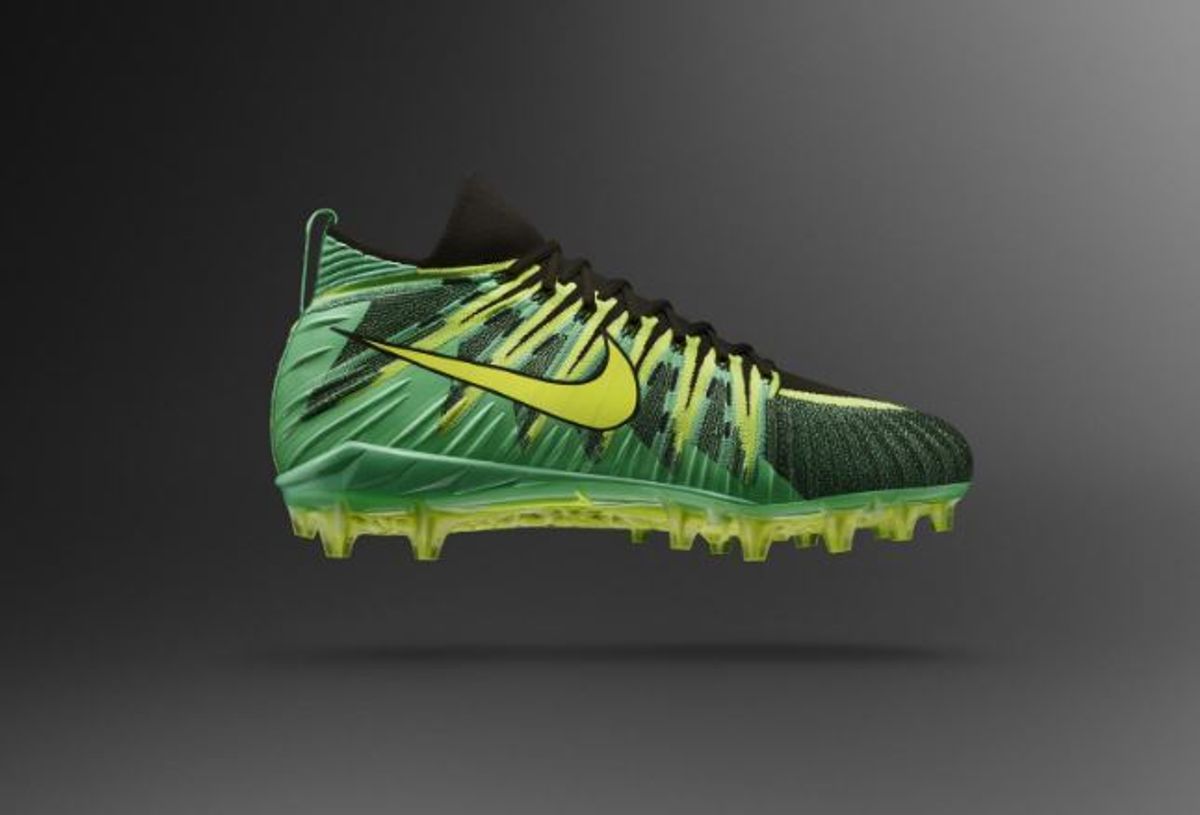
Choosing the right soccer cleats is crucial for any player looking to improve their game and ensure safety on the pitch. This ultimate guide, brought to you by Soccer Rondo, will delve into the various aspects of selecting the perfect pair of cleats. From understanding different types and their purposes to ensuring the right fit and comfort, as well as considering safety and performance features, this guide covers it all. We’ve also taken into account the latest research, player reviews, and expert opinions to help you make an informed decision and find the cleats that will elevate your play.
Key Takeaways
- The type of soccer cleats you choose should be compatible with the pitch you play on and should enhance your performance with innovative technologies.
- A proper fit and comfort are non-negotiable for soccer cleats as they can significantly impact your playing ability and reduce the risk of injury.
- Safety features such as traction patterns and stability, ankle support, and the weight of the cleats are crucial for optimal performance and injury prevention.
- Different playing positions require different types of cleats, with forwards needing speed and agility, midfielders requiring control and comfort, and defenders and goalkeepers focusing on protection and precision.
- Regular maintenance and timely replacement of soccer cleats are essential to preserve their condition and ensure ongoing performance and safety on the field.
Understanding Soccer Cleat Types and Their Purposes
Pitch Type and Cleat Compatibility
When we step onto the field, the type of pitch we’re playing on dictates the kind of cleats we should wear. Choosing the right cleats for the specific surface is crucial not only for our performance but also to minimize the risk of injury. For instance, firm ground cleats are designed for natural grass pitches and offer optimal traction and stability.
It’s essential to match our cleats to the playing surface:
- Firm Ground (FG) for natural grass
- Artificial Ground (AG) for synthetic turf
- Soft Ground (SG) for wet and muddy conditions
- Indoor (IN) and Turf (TF) for harder, flat surfaces
Remember, using cleats designed for a different type of pitch can lead to poor performance and even injury.
Each type of cleat has its own unique features that cater to the demands of the surface. For example, AG cleats typically have a multitude of short studs to distribute pressure evenly on artificial grass, while SG cleats have fewer, longer studs for better penetration in soft ground. It’s not just about comfort; it’s about playing smarter and safer.
Material Matters: Leather vs. Synthetic
When we’re on the hunt for new soccer cleats, the material is a pivotal factor that can greatly influence our game. Leather cleats are renowned for their comfort and ability to mold to the shape of our feet, offering a personalized fit over time. On the other hand, synthetic materials are celebrated for their durability and ability to withstand various playing conditions.
The choice between leather and synthetic materials extends beyond personal preference; it’s about finding the balance between comfort, performance, and longevity.
Here’s a quick comparison to help us weigh our options:
- Leather: Offers a supple feel, molds to the foot, and generally provides better touch and control.
- Synthetic: Typically lighter, more water-resistant, and maintains its shape longer.
While synthetic boots give a middle ground between traditional and modern styles, it’s crucial to consider the specific needs of our feet and our playing style. Expensive cleats might boast advanced technologies, but comfort should always be a top priority.
Cleat Technologies: Enhancing Performance
We’ve seen a significant evolution in soccer cleat technology, aimed at boosting players’ performance on the field. Advanced technologies in cleats are not just a marketing gimmick; they are critical in enhancing ball control, providing better traction, and improving overall comfort. For instance, the grip technology intentionally placed in the adidas Predator Accuracy.1 Firm Ground Soccer Cleats has been recognized for its superior performance.
When we consider the latest innovations, we’re looking at features like 3D grips for improved ball handling and specialized sole patterns that offer optimal movement on the pitch. These advancements are the result of extensive research and collaboration with professional athletes, ensuring that the cleats meet the high demands of the game.
It’s essential to remember that while high-end cleats come with impressive features, the best cleat for you is one that fits well and feels comfortable throughout the game.
Finally, it’s worth noting that while some players prioritize style and comfort, the technological enhancements in cleats can make a significant difference, especially for those looking to maximize their performance. Whether you’re a beginner or an advanced player, there’s a cleat technology designed to cater to your needs.
The Importance of Fit and Comfort in Soccer Cleats
Finding the Right Size and Shape for Your Foot
We’ve all heard the mantra: Start with focusing on the importance of fit. The most crucial aspect is how the soccer cleats feel on your feet. Remember, it’s not just about the size; the shape of the cleat must complement the contours of your foot for optimal comfort and performance. Here’s a quick checklist to ensure you’re on the right track:
- Bring your own soccer socks to the store to replicate the conditions you’ll play in.
- Look for a snug fit with just enough room to wiggle your toes.
- Pay attention to the width of the cleats—some of us need a wide, normal, or narrow fit.
- Consider laces for added adjustability and a more personalized fit.
When trying on soccer cleats, trust your instincts. If they don’t feel right in the store, they won’t feel right on the pitch. Comfort should never be compromised.
Lastly, don’t forget to consider the playing surface. Cleats are designed specifically for different types of pitches, and using the wrong kind can lead to discomfort and even injury. Make the smart choice and select cleats that are suited for the ground you’ll be playing on most often.
The Role of Insoles and Lacing Systems
We understand that the insoles and lacing systems of soccer cleats play a crucial role in both comfort and performance. Advanced insole technology provides superior underfoot cushioning and promotes natural foot movement, which can significantly enhance your playing experience. The right insole can reduce pressure on the toes and improve flex, making those quick pivots and sprints more comfortable.
Insoles are not the only aspect to consider; the lacing system is equally important. A well-designed lacing system ensures a snug fit, minimizing internal foot movement and reducing the risk of blisters. It also allows for personalized tightness, accommodating the unique shape of your foot. Here’s a quick list of benefits provided by a good lacing system:
- Improved foot stability
- Customizable fit to match foot shape
- Reduced likelihood of internal movement and injury
Remember, the combination of a supportive insole and a secure lacing system can make a significant difference in your game. It’s not just about preventing discomfort; it’s about enhancing your overall performance on the pitch.
Breaking In Your Cleats: Tips and Tricks
Once you’ve found the perfect pair of soccer cleats, the next step is to break them in for optimal comfort and performance. Start by wearing your new cleats around the house for short periods to gradually stretch the material and mold them to the shape of your feet. Avoid the temptation to rush this process; patience is key to preventing blisters and discomfort.
To further aid in the breaking-in process, consider these steps:
- Wear thick soccer socks to protect your feet and provide a cushioned barrier.
- Flex and bend the soles by hand to soften them before putting them on.
- If they’re leather, apply a leather conditioner to help soften the material.
Remember, your cleats should feel snug but not painfully tight. If you experience significant discomfort, they may not be the right fit.
Some players suggest more unconventional methods, like submerging your cleats in warm water, but we recommend sticking to tried-and-true techniques to preserve the integrity of your cleats. After all, a good pair of cleats is an investment in your game.
Safety and Performance Features to Consider
Traction Patterns and Stability
We understand that the traction pattern of soccer cleats is crucial for maintaining stability and preventing injuries on the field. The right traction pattern can significantly enhance your performance by providing the necessary grip for quick turns, sprints, and stops. Different surfaces require different types of traction patterns for optimal play.
Pitch Type
- Firm Ground (FG): Best for natural grass fields in dry to slightly wet conditions.
- Soft Ground (SG): Ideal for wet, muddy fields, often with removable studs.
- Artificial Ground (AG): Designed for synthetic turf with shorter, densely packed studs.
- Turf (TF): Suited for older, carpet-style turf with many small rubber studs.
- Indoor (IC): Flat soles for hard, indoor surfaces.
Italics are used here to emphasize the importance of matching the cleat type to the playing surface to prevent slippage and injuries. For instance, Nike’s Cyclone 360 sole pattern is engineered to reduce friction and facilitate safer pivoting, especially on grass.
When selecting soccer cleats, always consider the traction pattern in relation to the pitch you’ll be playing on most frequently. This consideration is not just about performance; it’s about your safety as well.
Remember, while a unique traction pattern may offer benefits like added support during fast turns, it’s essential to ensure that the overall fit is comfortable. Some players with wider feet may find certain models more accommodating, though attention should be paid to any potential discomfort in areas like the heel counter.
Ankle Support and Protective Elements
When we’re on the pitch, the last thing we want to worry about is an injury. That’s why ankle support in soccer cleats is crucial, especially for those of us with weaker ankles. Special football boots with added ankle support reduce the chance of rolling or twisting during play, making us more stable and confident in our movements.
The right cleat can make all the difference in preventing injuries and enhancing performance. It’s essential to choose a pair that offers both protection and flexibility, allowing for natural foot movement while safeguarding against potential harm.
Our selection of cleats includes features like optimized heel design and advanced insole technology, which work together to provide a snug fit and superior underfoot cushioning. This not only improves stability but also ensures that every step on the field is supported. Remember, a well-protected player is a player who can focus on the game without hesitation.
Comfort and safety go hand in hand, and with our range of protective shin guards and functional training equipment, you’re set to elevate your game while minimizing the risk of injury.
The Impact of Cleat Weight on Play
When we consider the weight of soccer cleats, we’re looking at a crucial factor that can significantly affect a player’s agility and stamina. Lighter cleats can enhance a player’s speed and endurance, allowing for more dynamic play and less fatigue over time. However, it’s essential to balance the desire for lightweight cleats with the need for durability and protection.
- Lightweight Cleats: Ideal for players who rely on speed and agility.
- Heavier Cleats: Offer more protection and may be more durable.
The right balance between weight and other features depends on individual play style and position. While a forward might prioritize speed, a defender will likely value protection more.
It’s not just about the weight; the distribution of weight across the cleat also matters. A well-designed cleat will have a weight distribution that complements the player’s natural movement, enhancing performance without sacrificing comfort or safety. Remember, the ultimate goal is to find a cleat that feels like an extension of your foot, allowing you to play at your best.
How to Choose Cleats Based on Playing Position
Cleats for Forwards: Speed and Agility
As we delve into the world of soccer cleats for forwards, speed and agility are paramount. The right cleats can make a significant difference in a forward’s ability to dash past defenders and make those game-changing plays. We’ve analyzed the best speed cleats of 2023, including top picks like the Nike Mercurial Superfly 9, adidas x CrazyFast+, and Puma Ultra Ultimate, each offering a unique blend of lightweight construction and traction for explosive movements.
When selecting cleats, it’s crucial to consider the fit. A snug, supportive fit ensures maximum control and responsiveness, allowing you to make quick turns and sprints without losing your footing. Remember, comfort is key to maintaining peak performance throughout the match.
Here are a few tips to keep in mind:
- Look for cleats with a lightweight upper, such as Vaporposite+, which provides agility without sacrificing comfort.
- Ensure the cleat offers a stabilizing grip, especially important for forwards who need to change direction quickly.
- Consider the cleat’s traction pattern, as it should promote both speed and stability during rapid movements.
Midfielders: Control and Comfort
As midfielders, we’re the heart of the team, constantly on the move and connecting plays. Comfort is paramount; any discomfort can undermine our performance. We’ve handpicked soccer cleats that are renowned for their comfort and feel lightweight on the pitch, ensuring we can maintain our stamina throughout the game.
Safety is another critical aspect we consider. Our selection includes cleats with a firm grip and additional features like ankle collars or advanced traction patterns, which are essential for those quick pivots and turns. It’s about finding that perfect balance between protection and the ability to feel the ball, enhancing both our safety and performance.
When it comes to choosing the right cleats, it’s not just about the aesthetics; it’s the fit, the feel, and the technology that will elevate our game.
Here’s a quick look at some of the top choices for midfielders:
- Nike Phantom GX 2
- Puma Future 7 Ultimate
- adidas Predator Elite Laceless
- Nike Tiempo Legend
- adidas Predator Elite FT
Remember, the right cleat can make all the difference on the field. It’s not just about the brand or the latest model; it’s about what complements your playing style and keeps you comfortable and secure.
Defenders and Goalkeepers: Protection and Precision
We understand that as defenders and goalkeepers, the need for protection and precision is paramount. Our selection of soccer cleats is tailored to meet these demands, ensuring that you have the support needed to make those critical clearances and saves. For defenders, a cleat that offers a balance between a secure fit and the ability to move quickly is essential. Goalkeepers benefit from cleats that provide stability and grip when making those game-changing dives.
When choosing cleats, consider the following aspects to ensure optimal performance:
A firm grip to maintain stability during quick directional changes.
Adequate cushioning to absorb impacts from tackles and jumps.
A snug fit that still allows for agile movements.
Here’s a quick list of our top picks for defenders and goalkeepers, based on player feedback and safety features:
- Nike Tiempo Legend
- adidas Copa Pure II
- adidas X Crazyfast
- Puma Ultra Ultimate
- Nike Phantom GX 2
Remember, the right cleat can make all the difference on the field. It’s not just about the look; it’s about how they enhance your game.
Maintaining and Caring for Your Soccer Cleats
Proper Cleaning Techniques
After a grueling match or intense practice, our soccer cleats can be caked with dirt and grass. Proper cleaning not only prolongs the life of our cleats but also ensures optimal performance for the next game. Start by removing loose dirt with a soft-bristled brush or a specialized cleat cleaner like the Boot Buddy, which is designed to remove dirt and grime quickly and easily.
To deep clean, create a mixture of mild soap and warm water. Use a soft cloth or sponge to gently scrub the cleats, paying special attention to areas where dirt accumulates. Rinse thoroughly with clean water and wipe down with a dry towel. It’s important to let the cleats air dry naturally; avoid direct heat sources as they can damage the material.
Remember, never submerge your cleats in water as it can compromise the integrity of the materials and adhesives.
Finally, check the manufacturer’s guidelines for any specific cleaning recommendations. Some materials may require special care or products to maintain their condition and functionality.
Storage and Moisture Management
After a grueling match or intense training session, it’s crucial to store our soccer cleats properly to ensure they remain in top condition. Proper storage is not just about organization; it’s about preserving the life of our cleats. We’ve found that keeping cleats in a well-ventilated area helps prevent the buildup of unwanted odors and moisture, which can degrade the materials over time.
To tackle moisture, we recommend using a few simple yet effective techniques:
- Remove insoles and laces to allow air to circulate freely inside the cleats.
- Stuff the cleats with newspaper or a specialized drying product to absorb excess moisture.
- Place the cleats in a breathable bag or open space, away from direct heat sources.
By following these steps, we not only extend the lifespan of our cleats but also maintain a more hygienic environment for our feet. It’s a small effort that can make a big difference in performance and comfort.
Additionally, consider using odor-control inserts or regularly sprinkling baking soda inside the cleats between uses. This can help prevent future odors and keep our cleats fresh for the next game.
When to Replace Your Soccer Cleats
We all want our soccer cleats to last as long as possible, but there comes a time when we must acknowledge the need for a new pair. Regularly check the condition of your cleat studs and replace them if they show signs of wear or damage to maintain optimal traction and stability. Most brands recommend replacing soccer cleats after every season, particularly if you’re practicing several times a week. This typically means changing your cleats about once every six months to a year.
It’s crucial to recognize that discomfort and lack of stability during a game can not only hurt your performance but also lead to injury. Therefore, being proactive about cleat replacement is a key aspect of maintaining both safety and performance on the field.
Here’s a simple checklist to help you decide when it’s time to invest in a new pair of cleats:
- The cleat studs are worn down or damaged.
- The material, especially if it’s leather, has stretched or become too loose.
- You’re experiencing discomfort or lack of stability.
- Visible signs of severe wear and tear.
- Your playing needs or position have changed.
Conclusion
Choosing the right soccer cleats is a crucial decision that can significantly impact your performance on the field. Throughout this guide, we’ve explored the importance of fit, playing surface, material preferences, and innovative technologies that cater to different playing styles and needs. Whether you’re a beginner looking for a simple and budget-friendly option or an advanced player seeking the latest features, there’s a pair of cleats out there for you. Remember, the best soccer cleats are the ones that feel like an extension of your feet, offering comfort, safety, and a seamless touch. As you lace up your new cleats and step onto the pitch, you’re not just gearing up for a game; you’re arming yourself with the confidence and support needed to unleash your full potential. So choose wisely, play passionately, and may your new soccer cleats carry you to victory!
Frequently Asked Questions
What factors should I consider when choosing soccer cleats?
When choosing soccer cleats, consider the fit, the type of playing surface, the material (leather vs. synthetic), and any specific technologies or features that enhance performance and safety.
How do I know if my soccer cleats fit properly?
Proper soccer cleats should be snug but not too tight, allowing for some movement without slipping. Ensure there’s a thumb’s width of space between your toes and the cleat’s front, and consider the width and arch support for your foot shape.
Are there different cleats for different positions in soccer?
Yes, forwards often wear lightweight cleats for speed and agility, midfielders opt for cleats that offer control and comfort, while defenders and goalkeepers choose cleats that provide protection and precision.
What is the importance of cleat material in soccer shoes?
Cleat material affects comfort, durability, and ball touch. Leather cleats usually offer a better fit and touch but may require more care, while synthetic cleats are lighter and often more durable.
How can I ensure my soccer cleats last longer?
To extend the life of your soccer cleats, clean them after each use, store them in a cool, dry place, and manage moisture. Avoid wearing them on hard surfaces and replace them when they show significant wear or discomfort.
What are the safety features I should look for in soccer cleats?
Look for soccer cleats with a firm and stabilizing grip, suitable traction patterns for your playing surface, and additional features like ankle collars that improve security and prevent injuries.