
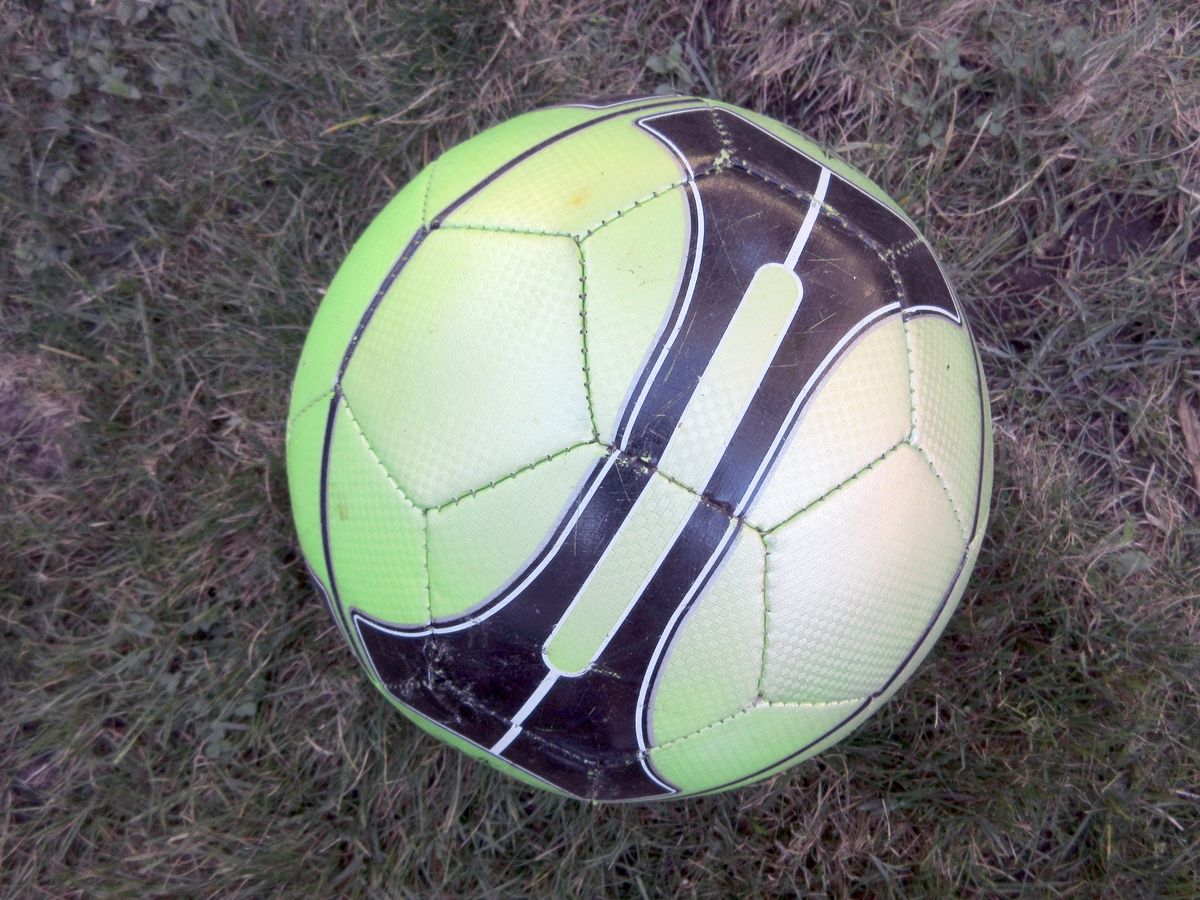
The soccer ball, an essential element of the world’s most popular sport, has undergone a remarkable transformation over the years. From its humble beginnings made of leather patches and animal bladders to today’s high-tech spheres, the evolution of the soccer ball reflects both the history of the game and the advancements in materials and technology. This article, brought to you by Soccer Rondo, delves into the pivotal developments that have made the soccer ball not just a piece of sports equipment, but a symbol of innovation and design.
Key Takeaways
- Early soccer balls were crafted from animal bladders and leather, significantly influencing the game’s dynamics.
- The Charles Goodyear revolution introduced rubber, transforming ball design and enhancing sphericity and durability.
- FIFA standards have played a crucial role in ensuring uniform performance, leading to the creation of laceless balls.
- Iconic designs like the Telstar and Adidas Brazuca have left a lasting legacy, setting new benchmarks for aesthetics and function.
- The future of soccer balls lies in sustainable materials and cutting-edge technologies such as AI, promising further advancements.
The Early Days: Crafting the First Soccer Balls
Materials and Methods of the Pioneers
In our journey through the history of soccer, we find ourselves reflecting on the humble beginnings of the soccer ball. The balls at this time were usually made with brown leather, and were comprised of eighteen different sections arranged in six panels. This early design was far from perfect, but it set the stage for the evolution of the soccer ball.
The process of creating these early soccer balls was labor-intensive and required skilled craftsmanship. Here’s a brief rundown of the steps involved:
- Selecting high-quality leather
- Cutting the leather into patches
- Stitching the patches together around an inflated animal bladder
- Reinflating the bladder to ensure the ball’s shape
The materials and methods used by these pioneers were rudimentary by today’s standards, yet they were instrumental in shaping the game we know and love. The leather patches and the stitching technique not only affected the ball’s durability but also its flight and how it could be controlled by the players.
The quest for a more uniform and predictable soccer ball was driven by the desire to improve the game. The early balls were unpredictable, making the game more about chance than skill.
The Impact of Early Ball Design on Gameplay
We’ve seen how the rudimentary design of early soccer balls significantly influenced the way the game was played. The unpredictable nature of the ball’s movement made it difficult for players to control, leading to a more chaotic and less strategic form of play. The consistency of the ball’s shape and bounce was not guaranteed, which often resulted in a lack of confidence among players, making them more tentative as so many passes went astray.
The ball had the dual impact of causing players to lack of confidence in their ability, making them more tentative as so many passes went astray.
As we delve deeper into the history, we notice that the evolution of the ball paralleled the evolution of soccer tactics and skills. Here’s a brief overview of the changes:
- Early balls absorbed water and became heavier during play, affecting speed and flight.
- Stitching and materials were inconsistent, leading to irregular shapes.
- The transition to leather and improved manufacturing techniques offered more predictability.
These developments paved the way for a more sophisticated approach to the game, where skill and strategy began to flourish over mere physicality.
Evolution from Animal Bladders to Leather
As we delve into the history of the soccer ball, we find that the animal bladder balls were eventually covered with leather for better shape retention. This significant transition occurred in the 1800s, marking a pivotal moment in the evolution of the soccer ball. The leather coverings not only improved the ball’s durability but also its ability to maintain a consistent shape during play.
The introduction of vulcanized rubber by Charles Goodyear in 1836 was a game-changer. Goodyear’s patent for vulcanized rubber meant that balls could be made rounder, more elastic, and weather-resistant. This innovation laid the groundwork for the modern soccer ball, as it allowed for a more predictable and controlled gameplay experience.
The shift from organic to processed materials was not just a technological leap; it was a cultural one, reflecting the growing popularity of soccer and the need for a more standardized game.
The following list outlines the key benefits of transitioning from animal bladders to leather and then to vulcanized rubber:
- Improved shape retention and durability
- Enhanced elasticity and weather resistance
- More consistent gameplay and ball control
- Standardization across the sport, leading to fairer competition
The Quest for Perfect Sphericity: Advances in Soccer Ball Design
Introduction of Rubber and the Charles Goodyear Revolution
We’ve come a long way since the early days of soccer, and the introduction of rubber was a pivotal moment in the evolution of the soccer ball. Charles Goodyear’s innovation in the mid-19th century brought about a revolution in ball design, moving away from unpredictable animal bladders to a more uniform and reliable material. The vulcanization process he developed enabled rubber to be more durable and resistant to weather conditions, which was essential for outdoor sports like soccer.
Rubber wasn’t just a new material; it was the foundation for the modern soccer ball. With its introduction, balls could be made rounder, more elastic, and easier to control. This had a profound impact on the game, as players could now expect a consistent bounce and behavior from the ball.
- The vulcanization process made rubber less sticky and more stable.
- Balls became more spherical, improving their roll and flight.
- The risk of the ball deflating during a game was greatly reduced.
The quest for perfect sphericity was not just about improving the game’s playability; it was about ensuring fairness and uniformity in a sport that was rapidly growing in popularity around the world.
From Laced to Laceless: The Shift in Construction
We’ve witnessed a significant transformation in soccer ball construction over the years. The move from laced to laceless designs marked a pivotal moment in the sport’s history. The laceless ball offered a more uniform surface, enhancing the game for players worldwide. This change wasn’t just about aesthetics; it was a functional evolution that improved the ball’s performance.
italics Laceless soccer balls provided several advantages:
- Improved water resistance, reducing weight gain during wet conditions
- A smoother exterior for more predictable ball trajectory
- Fewer external variables affecting the ball’s movement
The seamless design of modern soccer balls is a testament to the sport’s ongoing quest for perfection.
The Superball was revolutionary in many ways. Its unique, laceless construction provides a more consistent playing surface. The innovative design made the ball more predictable in flight, a crucial factor for high-stakes matches. As we continue to explore the evolution of soccer balls, it’s clear that the shift to laceless construction was more than a trend; it was a leap forward in the quest for a flawless football.
FIFA Standards and the Quest for Uniform Performance
We’ve witnessed a remarkable journey in the quest for the perfect soccer ball, and a pivotal chapter in this story is the establishment of FIFA standards. Uniformity in performance is crucial in a game where milliseconds and millimeters can decide the outcome. FIFA’s rigorous criteria ensure that every ball used in professional play meets specific requirements for weight, size, rebound, and water absorption.
FIFA’s standards have evolved over time, reflecting advancements in technology and materials. Here’s a brief overview of the key specifications that a soccer ball must adhere to:
- Circumference: 68-70 cm
- Weight: 410-450 grams
- Rebound: 120-165 cm on first bounce
- Water absorption: No more than 10% weight increase
The relentless pursuit of a ball that performs consistently across all conditions has led to innovations that benefit players and fans alike. This quest has not only improved the quality of play but also the integrity of the game.
As we continue to push the boundaries of what’s possible, we remain committed to the spirit of fair play. The ball is, after all, at the heart of the beautiful game, and its evolution is a testament to our love for soccer.
The Modern Era: High-Tech Materials and Smart Balls
Synthetic Fabrics and Foam Layers
As we delve into the construction of modern soccer balls, we find that the outer casing and panels are often made from polyurethane or polyvinyl chloride (PVC), materials known for their durability and weather resistance. The transition to synthetic fabrics has been a game-changer, allowing for more precise control and a consistent feel under varying conditions.
The inclusion of foam layers beneath the outer shell has further enhanced the ball’s performance. These layers provide cushioning, which improves touch and reduces the ball’s bounce on impact, making it easier for players to control.
- Enhanced durability and weather resistance
- Consistent performance in different playing conditions
- Improved touch and control for players
The synergy between synthetic fabrics and foam layers has culminated in a soccer ball that not only withstands the rigors of the game but also aids in the skillful display of talent on the pitch.
Incorporating Electronics: The Advent of Smart Soccer Balls
We’ve witnessed a significant leap in soccer ball technology with the introduction of electronics. Smart soccer balls are now equipped with sensors that provide instant feedback on performance, transforming how players train and improve their skills. These balls can connect to apps, allowing for a detailed analysis of each kick.
The benefits of smart soccer balls include enhanced training sessions, immediate data on ball spin, speed, and trajectory, and the ability to track progress over time. Here’s a quick look at some of the best options available:
- DribbleUp Smart Soccer Ball
- Nightmatch Light Up Soccer Ball
- Kickerball Curve and Swerve Soccer Ball
- SenseBall Smart Soccer Kick Trainer
Embracing these technological advancements, we’re not just kicking a ball; we’re engaging in an interactive experience that pushes the boundaries of traditional soccer training.
Aerodynamics and the Role of Surface Patterns
We’ve come to understand that the surface of a soccer ball is not just about aesthetics; it plays a crucial role in how the ball behaves in flight. Surface patterns, such as grooves and texturing, directly affect the ball’s aerodynamics. These designs can alter the airflow around the ball, influencing its speed, stability, and even the way it curves through the air.
Recent studies have highlighted the significance of these patterns. For instance, the Effect of Surface Groove Structure on the Aerodynamics of Soccer Balls shows that the absence of grooves can lead to a significant change in the drag coefficient when the panel orientation is altered. This insight has propelled manufacturers to meticulously engineer the ball’s exterior to optimize its flight characteristics.
We’ve seen a transformation in the design philosophy of soccer balls, where the focus has shifted from merely durability and shape retention to also include the intricate science of aerodynamics.
Here’s a brief overview of how surface patterns have evolved:
- Initially, balls had simple, smooth surfaces.
- Introduction of synthetic materials allowed for more complex designs.
- Current balls feature intricate grooves and textures for better aerodynamic control.
Iconic Soccer Balls: Designs That Made History
The Telstar: A Cultural Symbol of the 1970 World Cup
We remember the 1970 World Cup for many reasons, but one of the most enduring legacies is the introduction of the Adidas Telstar soccer ball. Its iconic black and white paneled design not only made it more visible on black and white televisions but also left an indelible mark on the cultural consciousness of the sport. The Telstar was more than just a ball; it was a symbol of the modern game.
The design of the Telstar represented a significant departure from previous balls. Its 32-panel configuration was engineered for improved symmetry, ensuring a more consistent flight path. This was a leap forward in soccer ball design, influencing how the game was played and perceived.
The Telstar’s legacy is evident in the countless variations and improvements that have since become standard in soccer ball design. Here’s a brief look at its impact:
- Pioneered the use of the 32-panel configuration
- Enhanced visibility with its distinctive pattern
- Set a new standard for international soccer ball design
The Telstar not only revolutionized the design of soccer balls but also became a tangible representation of the sport’s evolution during a pivotal era.
Adidas Brazuca: Breaking New Ground in 2014
In 2014, we witnessed a significant milestone in the history of soccer balls with the introduction of the Adidas Brazuca. This ball was a revolution in design and performance, setting a new standard for future tournaments. Unlike its predecessors, the Brazuca boasted a unique six-panel design, which enhanced its symmetry and provided a more predictable trajectory.
The materials used in the Brazuca were also a departure from traditional soccer balls. Adidas employed a combination of polyurethane and a textured surface to improve grip, control, and stability in various weather conditions. The ball’s innovation didn’t stop at its exterior; the interior bladder was made to retain air pressure more consistently, ensuring that the ball remained spherical and performed reliably throughout a match.
The Brazuca’s impact on the game was immediate, with players noting its precise flight and responsive touch. It became a favorite among professionals and amateurs alike, symbolizing the blend of tradition and technological advancement in soccer.
Here are some key features of the Adidas Brazuca:
- Six-panel design for improved symmetry
- Textured surface for better grip and control
- Enhanced bladder for consistent air retention
- FIFA-approved for weight, water uptake, shape, and size retention
The Brazuca set the stage for future innovations, showing us that the evolution of the soccer ball is a continuous journey towards perfection.
The Evolution of Official Match Balls in Major Tournaments
We’ve witnessed a remarkable transformation in the official match balls used in major tournaments. Each tournament brings its own unique ball, designed not only to capture the spirit of the event but also to enhance performance on the pitch. The FIFA World Cup, for instance, has seen a series of iconic balls that reflect both technological advancements and aesthetic trends.
The Adidas Telstar set a new standard in 1970 with its black and white panels designed for better TV visibility. Since then, the quest for the perfect ball has led to innovations in materials, aerodynamics, and even embedded technology. Here’s a brief overview of how official match balls have evolved over the years:
- 1970: Adidas Telstar – Introduction of the iconic black and white panel design
- 1986: Adidas Azteca – The first fully synthetic FIFA World Cup ball
- 2002: Adidas Fevernova – Notable for its radical color and design departure
- 2010: Adidas Jabulani – Criticized for its unpredictable flight characteristics
- 2014: Adidas Brazuca – Praised for its improved grip, touch, and stability
- 2018: Adidas Telstar 18 – A nod to the original with a digitally connected ball
The evolution of soccer balls is not just about changing designs or materials; it’s about the relentless pursuit of perfection. Every stitch, panel, and curve is a testament to the ingenuity and passion that drives this sport forward.
The Future of Soccer Balls: Sustainability and Innovation
Eco-Friendly Materials and Production Processes
As we delve into the realm of eco-friendly materials and production processes, we’re not just talking about a trend; we’re addressing a responsibility. The soccer ball industry is undergoing a transformation, with sustainability at its core. Over 40 million soccer balls are produced each year, and the environmental impact of this production is significant.
To mitigate this, manufacturers are exploring materials that have a lower ecological footprint. Recycled plastics, organic cotton, and natural rubber are becoming more prevalent in soccer ball construction. These materials not only reduce waste but also promote a circular economy.
Embracing eco-friendly practices isn’t just beneficial for the planet; it also resonates with consumers who are increasingly conscious of their purchasing decisions.
Here’s a snapshot of the materials being considered for sustainable soccer ball production:
- Recycled PET (polyethylene terephthalate) fibers
- TPU (thermoplastic polyurethane) derived from renewable sources
- Biodegradable foams and bladders
- Water-based adhesives and inks
The shift towards sustainability is not without its challenges. The performance and durability of eco-friendly materials must meet the rigorous demands of the sport. However, the industry’s commitment to innovation ensures that the future of soccer balls will not compromise on quality or the health of our planet.
The Potential of AI and Machine Learning in Ball Design
As we delve into the realm of artificial intelligence (AI) and machine learning, we’re beginning to see a transformative impact on soccer ball design. AI employs machine learning algorithms to scrutinize game footage meticulously, enhancing our understanding of ball dynamics and performance. This in-depth analysis paves the way for more refined and responsive ball designs.
The integration of AI in the design process can be broken down into several key areas:
- Data Collection: Gathering extensive data from actual gameplay to inform design decisions.
- Performance Analysis: Using AI to analyze ball movement and player interactions.
- Material Selection: AI-driven simulations to predict how different materials affect ball behavior.
- Design Optimization: Machine learning algorithms that iterate on design features to achieve optimal performance.
By harnessing the power of AI, we’re not just creating soccer balls; we’re engineering a more thrilling and fair game. The potential for AI to revolutionize ball design is immense, with the promise of balls that can adapt to different playing conditions, respond to player actions, and even improve over time through self-optimization.
Exploring the Limits: What’s Next for the Soccer Ball?
As we venture into the future, we’re not just asking what’s next for the soccer ball; we’re actively shaping it. The horizon gleams with possibilities, from materials that self-repair to designs that defy our expectations. We’re on the cusp of a new age of smart soccer balls, where technology enhances every aspect of the game.
italics Smart soccer balls are not a distant dream but an imminent reality. They promise to revolutionize the sport by enhancing player development, refining coaching strategies, and captivating audience engagement. These intelligent spheres have the potential to transform the beautiful game as we know it.
In our pursuit of innovation, we’re committed to sustainability. The soccer balls of tomorrow will not only be smarter but also kinder to our planet. We envision a future where every kick contributes to a greener world.
Here’s a glimpse at what we’re exploring:
- Advanced materials that are both durable and eco-friendly
- Embedded sensors for real-time data analytics
- AI-driven design for optimal aerodynamics
- Interactive features to engage fans in new ways
The journey ahead is thrilling, and we invite everyone who loves the game to join us in this adventure. Together, we’ll discover the limits of what a soccer ball can be and, perhaps, even go beyond them.
Conclusion
The journey of the soccer ball, from its humble beginnings stitched together from leather patches to the high-tech spheres used in today’s professional leagues, is a testament to the evolution of sports equipment. As Soccer Rondo has explored, each iteration of the soccer ball reflects not just advancements in technology but also changes in the game itself. The modern soccer ball, with its precise design and materials, enhances player performance and the overall spectacle of the sport. This evolution mirrors the passion and innovation that continue to drive soccer forward, ensuring that the ball remains not just a piece of equipment, but a key player in the beautiful game’s unfolding story.
Frequently Asked Questions
How have soccer balls evolved from their early designs?
Soccer balls have evolved significantly from their early designs, which were made from animal bladders and leather patches. Over time, they have incorporated rubber bladders, synthetic materials, and advanced design techniques to improve their sphericity, durability, and performance.
What was the Charles Goodyear revolution in soccer ball design?
The Charles Goodyear revolution refers to the introduction of vulcanized rubber, which Goodyear patented in 1844. This innovation allowed for more durable and spherical soccer balls, significantly impacting the game’s development.
What are FIFA standards for soccer balls?
FIFA standards for soccer balls ensure uniformity in size, weight, shape, and performance. These standards are crucial for fair play and consistency across professional soccer matches globally.
What are smart soccer balls and how do they work?
Smart soccer balls are equipped with sensors and electronics that track and analyze data such as speed, spin, and trajectory. This technology provides valuable feedback to players and coaches for training and performance improvement.
What is the significance of the Adidas Telstar and Brazuca balls?
The Adidas Telstar was a cultural symbol of the 1970 World Cup, notable for its iconic black and white panel design that improved visibility on black and white televisions. The Adidas Brazuca, introduced in 2014, broke new ground with its innovative six-panel design and improved aerodynamics.
How is sustainability being addressed in soccer ball production?
Sustainability in soccer ball production is being addressed through the use of eco-friendly materials, reducing waste, and implementing more sustainable manufacturing processes to minimize the environmental impact.