
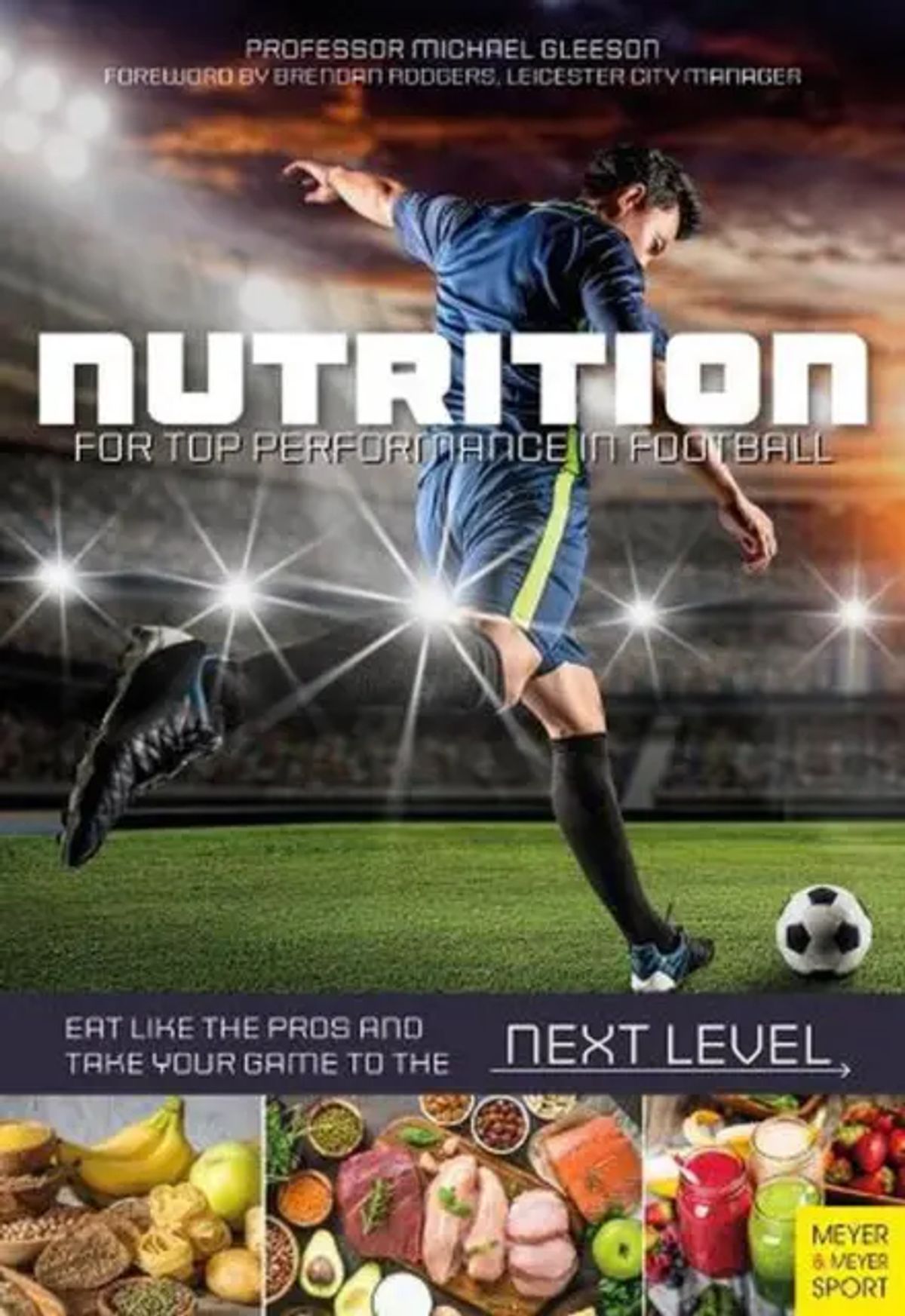
Soccer Nutrition 101: What to Eat for Peak Performance is a comprehensive guide designed to help soccer players understand the importance of nutrition in achieving their best on the field. This article delves into various aspects of dietary planning, from game day nutrition to post-game recovery, and provides insights on how to integrate plant-based proteins and manage dietary restrictions for optimal health and performance.
Key Takeaways
- Timing meals correctly on game day can significantly enhance performance, and meals should be planned and tested in advance.
- Macronutrients such as carbohydrates, proteins, and fats play distinct and crucial roles in a soccer player’s energy levels, muscle recovery, and overall health.
- Incorporating plant-based proteins into an athlete’s diet can offer benefits for resilience and recovery, and should be balanced with traditional protein sources.
- Athletes with gluten sensitivities can maintain high performance by choosing alternative gluten-free carbohydrate sources and planning their meals accordingly.
- Post-game nutrition is vital for recovery, with strategies including proper meal timing and advanced techniques like IV therapies to replenish nutrients efficiently.
Mastering Game Day Nutrition
Timing Your Meals for Optimal Performance
To achieve peak performance on the soccer field, we must identify time slots for meals around our training sessions. This ensures we have adequate fuel before exertion and proper replenishment afterward. It’s crucial to allocate moments in our day for quick, nutrient-packed snacks to maintain energy levels.
By tailoring our meal prep to our unique schedules, we can optimize nutrition to complement our athletic performance. This synchronization not only enhances our energy levels but also promotes overall well-being and resilience.
When planning our meals, we include a mix of lean proteins, complex carbohydrates, healthy fats, and a variety of fruits and vegetables to ensure a well-rounded diet.
Here’s a simple guideline to follow:
- Outline your weekly training and competition schedule.
- Plan meals that align with your energy expenditure.
- Incorporate snack times between meals to keep energy levels consistent.
- Cook in bulk to save time and ensure you have healthy options readily available.
Pre-Game Meal Planning and Preparation
As we approach game day, our focus shifts to the final preparations of our pre-game meal. This meal is pivotal, not just for the energy it provides, but also for the comfort and confidence it instills in us. We’ve learned that the pre-game meal should be the largest of the day, rich in carbohydrates, with adequate protein, and a touch of healthy fats. Here’s how we ensure our meal planning is on point:
- We start by planning our meals 3-4 days in advance, aligning them with our training and daily activities.
- The night before the game, we emphasize a balanced meal, practicing what works best for us well ahead of time.
- Ensuring 7-9 hours of sleep is crucial, and we often include a small protein and carb snack before bed.
Consistency in consuming balanced meals and snacks leading up to game day is essential for peak performance. We can’t expect to excel if our nutrition hasn’t been a priority.
Remember, the goal is not just to fill up but to fuel up. We avoid trying new foods that could cause discomfort and instead, stick to tried-and-true meals that have proven to be effective. For inspiration, we often refer to our ’30 Days of Recipes’ for meal prep ideas that are both delicious and performance-enhancing.
Hydration Strategies for Soccer Players
We understand the critical role that hydration plays in maintaining peak performance on the soccer field. Proper hydration is not just about drinking water; it’s about maintaining fluid balance throughout the day. To ensure we’re adequately hydrated, we follow a simple yet effective routine.
- Upon waking, we make it a habit to drink 10-20 oz of water to kickstart our hydration.
- Throughout the day, we aim for a minimum of 90-120 oz of fluids, including water and other hydrating beverages like milk during meals.
- For every pound lost during intense training, we replenish with 16-24 oz of fluid to compensate for the sweat loss.
It’s essential to recognize that even a 1-2% loss of body weight due to dehydration can significantly impair our speed, power, strength, and agility. Therefore, we prioritize hydration as a key component of our training regimen.
We also pay close attention to the color of our urine as a quick hydration status check. A pale yellow color indicates good hydration, while a darker shade suggests a need for more fluids. By staying vigilant and proactive with our hydration strategies, we can avoid the increased risk of injury, depression, poor performance, and muscle loss associated with dehydration.
The Role of Macronutrients in Soccer Performance
Carbohydrates: The Primary Energy Source
We understand the pivotal role of carbohydrates in fueling both our muscles and brain, which is why we emphasize their importance in a soccer player’s diet. Carbohydrates are the optimal fuel for athletes, providing the necessary energy to maintain high performance levels throughout the game. Unlike fats, carbohydrates can quickly restore depleted glycogen stores and efficiently replace ATP within working cells, ensuring that players have the energy they need when they need it.
It’s crucial to find the right balance of nutrients, and working with a dietitian can help tailor a carbohydrate-rich diet that aligns with your energy needs and performance goals.
Here’s a simple breakdown of how carbohydrates support an athlete’s performance:
- Glycogen restoration: Carbs replenish muscle glycogen, the primary energy reserve during intense physical activity.
- ATP production: Carbs are more efficient than fats in rapidly generating ATP, the energy currency of cells.
- Oxygen efficiency: Utilizing carbs for energy requires less oxygen than converting fats, making it a more efficient process during high-intensity exercise.
The performance benefits of increased carbohydrate intake are well-documented, with studies indicating that endurance athletes, in particular, require carbohydrates for optimal performance. This has led to the practice of ‘gut training’ to ensure athletes can perform at their best, especially during prolonged periods of exertion.
Proteins: Building Blocks for Muscle Recovery
As we push our bodies to the limit on the soccer field, it’s crucial to understand that proteins are the building blocks for muscle recovery. Proteins are essential for repairing the microtears that occur in our muscles during intense physical activity. Without adequate protein intake, our muscles would not recover properly, leading to decreased performance and increased risk of injury.
Italics are often used to emphasize the importance of protein in an athlete’s diet. Here’s a simple list of high-quality protein sources that we can include in our post-game meals:
- Grilled chicken breast
- Tuna or salmon
- Cottage cheese or Greek yogurt
- Eggs or egg whites
- Plant-based options like tofu or tempeh
Remember, the timing of protein intake is just as important as the amount. Consuming protein shortly after a game or practice can significantly enhance muscle recovery and prepare us for the next challenge.
Incorporating a variety of protein sources ensures that we’re not only rebuilding our muscles but also supplying our body with essential amino acids. A balanced approach to protein consumption can help maintain muscle mass and support overall athletic performance.
Fats: Sustained Energy and Health
We understand the importance of fats in a soccer player’s diet, not just for energy, but for overall health. Fats are crucial for long-term energy, especially during extended periods of play when glycogen stores might be running low. However, it’s essential to focus on the right types of fats—those that provide anti-inflammatory benefits and support hormone health.
Monounsaturated and polyunsaturated fats, found in foods like avocados, nuts, and certain oils, should be the cornerstone of your fat intake. These fats can help reduce inflammation, which is vital for athletes who put their bodies under immense stress during training and matches. On the other hand, we should limit our consumption of saturated fats and avoid trans fats altogether, as they can lead to health issues that may impede performance.
Here’s a simple list to help you choose the right fats:
- Avocados
- Nuts (almonds, walnuts, etc.)
- Seeds (flaxseeds, chia seeds)
- Olive oil
- Fatty fish (salmon, mackerel)
Remember, while fats are essential, they cannot replace the quick energy provided by carbohydrates nor restore depleted glycogen as efficiently. Balance is key in your diet, and working with a dietitian can help you find the optimal mix of nutrients for your performance.
Lastly, it’s important to note that adapting to a higher fat intake for energy requires more oxygen to convert fat to energy. This is not as efficient as the process for carbohydrates, so ensure your diet is not overly reliant on fats at the expense of other macronutrients.
Integrating Plant-Based Proteins into an Athlete’s Diet
Benefits of Plant Proteins for Athletes
We’ve seen a significant shift towards plant-based diets in the athletic world, and for good reason. Plant proteins offer a myriad of benefits for athletes, including the essential amino acids necessary for muscle repair and growth. Unlike animal proteins, plant proteins come with additional nutrients like fiber, vitamins, and minerals, which are crucial for overall health and performance.
Italics are often used to emphasize the importance of protein in an athlete’s diet, and plant proteins are no exception. They provide a clean and sustainable source of protein that can support the high demands of training and competition. Moreover, plant proteins can reduce inflammation, aiding in quicker recovery times and less muscle soreness post-exercise.
- Reduced risk of heart disease
- Lower blood pressure
- Improved cholesterol levels
- Enhanced recovery and muscle repair
Embracing plant proteins doesn’t mean compromising on taste or variety. There are numerous delicious and nutritious plant-based options that can easily be incorporated into an athlete’s meal plan.
Comparing Plant-Based Meats and Animal Proteins
When we delve into the nutritional profiles of plant-based meats and animal proteins, we find significant differences that can impact our performance on the field. Plant-based proteins often contain more fiber, which is beneficial for overall health and can aid in weight management. However, it’s crucial to note that the nutrition label does not reveal the full story.
While both sources may appear similar on a nutrition facts panel, a deeper analysis reveals that animal proteins provide more bioavailable nutrients. This means that the nutrients from animal proteins are more readily absorbed and utilized by the body.
Here’s a quick comparison of key nutrients found in beef versus plant-based "burgers":
| Nutrient | Beef (per serving) | Plant-Based "Burger" (per serving) |
|---|---|---|
| Protein | Higher | Lower |
| Iron | More bioavailable | Less bioavailable |
| Zinc | More bioavailable | Less bioavailable |
| Vitamins | Richer in B vitamins | Fewer B vitamins |
It’s evident that while plant-based meats are a viable alternative for those seeking variety or adhering to dietary preferences, they are not interchangeable with meat from a nutritional standpoint. Athletes should consider their individual nutritional needs and the role these proteins play in their diet.
Incorporating Whole Foods for Athletic Resilience
We understand the importance of resilience and focus in soccer. Proper nutrition is the cornerstone of athletic performance, and it’s crucial to fuel the body with a balance of macronutrients and micronutrients. Whole foods, such as bread, cereals, pasta, fruits, and vegetables, provide a rich source of these nutrients, supporting energy levels and recovery while preventing injury.
In our experience, athletes who integrate whole foods into their diet not only perform better but also enjoy greater health benefits. Here’s a simple list of whole foods we recommend:
- Whole grains (e.g., brown rice, quinoa)
- Fresh fruits (e.g., bananas, berries)
- Leafy greens (e.g., spinach, kale)
- Nuts and seeds (e.g., almonds, chia seeds)
- Legumes (e.g., lentils, chickpeas)
While convenience is often a concern, especially during intense training or competition, whole foods can be prepared in ways that are both convenient and palatable. It’s about finding the right balance that works for your body and your schedule.
Remember, incorporating whole foods isn’t just about the physical benefits; it’s about nurturing the spirit of the athlete. By choosing nutrient-dense options over fast food, you’re investing in your long-term health and performance.
Navigating Dietary Restrictions: Gluten-Free Fueling
Understanding Gluten Sensitivity in Athletes
We understand that for athletes, every aspect of their diet is crucial for optimal performance. Food sensitivity, particularly to gluten, can significantly impact an athlete’s health and their ability to perform. Gluten is a protein found in wheat, rye, and barley, and for some, it can cause adverse reactions.
For those with Celiac Disease, an autoimmune condition, consuming gluten leads to serious health issues, including gastrointestinal distress and malnutrition. However, it’s important to note that gluten sensitivity isn’t limited to Celiac Disease. Non-celiac gluten sensitivity can also cause discomfort and impair performance, necessitating a gluten-free diet for affected individuals.
While gluten-containing foods are safe for most athletes, those with gluten sensitivities must be vigilant in avoiding it to maintain their health and performance levels.
Here are a few tips for gluten-free athletes:
- Always check food labels for gluten content.
- Understand that ‘gluten-friendly’ does not mean gluten-free.
- Opt for certified gluten-free products to ensure safety.
Research indicates that there are no performance benefits from a gluten-free diet for non-celiac athletes. Therefore, unless medically necessary, there’s no advantage in avoiding gluten. It’s all about knowing your body and what works best for you.
Gluten-Free Carbohydrate Sources for Energy
As we navigate the dietary needs of gluten-sensitive athletes, it’s crucial to identify gluten-free carbohydrate sources that provide the necessary energy without compromising health. We’ve compiled a complete list of gluten-free carbohydrates to ensure our athletes have access to the best options for their performance.
- Amaranth
- Arrowroot
- Buckwheat
- Cassava
- Chia Seeds
- Coconut Flour
- Kaniwa
- Quinoa
- Teff
- Tapioca
It’s important to remember that while gluten-free grains offer a safe alternative, they should be integrated into a balanced diet that supports the athlete’s overall nutritional needs.
We encourage athletes to explore these options and find what works best for their bodies and training routines. Consistency in gluten-free fueling is key, especially for those with Celiac Disease. Always look for certified gluten-free labels to avoid any cross-contamination risks.
Meal and Snack Ideas for the Gluten-Free Athlete
As we navigate the dietary needs of gluten-free athletes, it’s essential to focus on allergy-friendly sports snacks that provide the necessary energy without compromising health. We’ve compiled a list of snacks that are not only gluten-free but also free from dairy, soy, and nuts, ensuring a safe and nutritious option for all athletes, including those with multiple food sensitivities.
- Popcorners (Sea Salt flavor)
- Kind bars
- Purely Elisabeth granola
- Canyon Bakehouse breads
- Kodiak Cake GF Pancake mix
Remember, consistency in your gluten-free diet is key, especially for those with Celiac Disease. It’s not just about avoiding gluten; it’s about finding nutritious substitutes that keep you at the top of your game.
While fresh fruit is a staple for any athlete, these snacks offer variety and convenience. Always check the labels for certification to ensure they meet your dietary requirements. And don’t forget, hydration is just as important as what you eat—keep that water bottle filled!
Recovery Nutrition: Replenishing After the Final Whistle
The Importance of Post-Game Nutrition
After the final whistle, our focus shifts to recovery. Proper post-game nutrition is crucial for replenishing energy stores and repairing muscles. We aim to consume a mix of carbohydrates and proteins within a short window after the game. This practice helps to restore muscle glycogen and facilitate muscle repair.
- Carbohydrates quickly replenish depleted energy reserves.
- Proteins provide the amino acids necessary for muscle recovery.
- Hydration is essential to replace fluids lost during the match.
It’s not just about what we eat, but also when we eat. Timing is everything in post-game recovery.
For structured recovery, consider the following table outlining a simple nutrient timing strategy:
| Time Post-Game | Nutrient Focus | Example Foods |
|---|---|---|
| 0-30 minutes | Carbohydrates | Banana, sports drink |
| 30-60 minutes | Proteins | Chocolate milk, yogurt |
| 1-2 hours | Balanced Meal | Chicken breast, brown rice, vegetables |
Remember, the goal is to replenish and repair. By following these guidelines, we can ensure that our bodies are ready for the next challenge.
Recovery Foods and Meal Timing
After the final whistle, our bodies need the right nutrients to kickstart the recovery process. Timing is crucial; we aim to refuel within 45 minutes post-game, when our muscles are most receptive to replenishment. A combination of carbohydrates and proteins is essential to restore glycogen stores and repair muscle tissues.
Here’s a simple guide to post-game nutrition:
- Immediately after: A quick source of protein and carbs, like a protein shake or chocolate milk.
- Within 45 minutes: A more substantial meal that includes a balance of proteins, carbs, and fats.
- 2 hours later: A snack to continue the recovery process, such as yogurt with berries or hummus with carrots.
By tailoring our meal prep to our unique schedule, we can optimize nutrition to complement our athletic performance. This synchronization not only enhances our energy levels but also promotes overall well-being and resilience.
Remember, it’s not just about what we eat, but also when we eat. Identifying time slots for meals around our training sessions ensures we have adequate fuel before and replenishment after. Work with a nutrition coach to build habits that support your goals and lifestyle.
IV Therapies and Other Recovery Techniques
We’ve seen firsthand the impact of IV therapies on recovery. These treatments are tailored to replenish essential nutrients and optimize hydration, crucial for athletes who regularly push their bodies to the limit. Our goal is to support your body’s recovery mechanisms through a holistic approach.
- IV High Dose Vitamin C Therapy
- IV Infusion Therapy
- IV Iron Infusions
- IV Regenerative Therapy
By integrating IV therapies into your recovery plan, you’re taking a significant step towards maintaining peak athletic performance.
Remember, while IV therapies can be beneficial, they should complement a balanced diet and proper hydration. It’s essential to consult with healthcare professionals to ensure these treatments are right for you.
Conclusion
In the dynamic world of soccer, nutrition plays a pivotal role in an athlete’s performance and recovery. Throughout this article, we’ve explored the essential nutrients, timing strategies, and meal planning necessary to fuel the body for peak performance. Remember, it’s not just about what you eat, but also when and how you eat that can make a significant difference on the field. By incorporating the principles of balanced meals, hydration, and recovery nutrition, you can elevate your game to new heights. Whether you’re a weekend warrior or a professional athlete, the right nutrition plan can help you achieve your goals and maintain a healthy lifestyle. So, take these tips, tailor them to your individual needs, and enjoy the benefits of being a well-nourished soccer player. Good luck, and don’t forget to have fun!
Frequently Asked Questions
What should I eat the night before a soccer game?
It’s recommended to eat a balanced meal with a focus on carbohydrates for energy, along with moderate protein and low fat. Examples include pasta with a lean meat sauce, chicken with rice, or a turkey sandwich with veggies. Avoid heavy, greasy, or unfamiliar foods.
How can I ensure I’m properly hydrated for a soccer match?
Start hydrating the day before the game by drinking plenty of water. On game day, continue to drink water regularly leading up to the match, and consider a sports drink during the game to replenish electrolytes if it’s especially hot or if you’re sweating a lot.
Are plant-based proteins effective for soccer athletes?
Yes, plant-based proteins can be effective for athletes and can provide all the necessary amino acids when a variety of sources are consumed, such as beans, lentils, tofu, and quinoa. They can aid in muscle recovery and provide additional health benefits.
What are some gluten-free carbohydrate sources for soccer players?
Gluten-free carbohydrate sources include rice, potatoes, quinoa, gluten-free pasta, corn, fruits, and vegetables. These can provide the necessary energy for soccer players without gluten.
What is the importance of post-game nutrition?
Post-game nutrition is crucial for recovery. It should include carbohydrates to replenish glycogen stores, proteins for muscle repair, and fluids to rehydrate. A balanced meal or a recovery shake within 30 minutes after the game is ideal.
Can IV therapies help with soccer performance recovery?
Some athletes use IV therapies for hydration and nutrient delivery post-game. While they can be effective for rapid rehydration and replenishment, they should be used under medical supervision and are not a substitute for proper nutrition and hydration practices.