
Soccer Rondo is not just a game within the game; it’s a skill-enhancing exercise that has become a cornerstone for soccer players aiming to improve their touch, decision-making, and teamwork. This article delves into the secrets of mastering Soccer Rondo, offering invaluable tips for players at every level. From understanding the basics to learning from the pros, we’ll explore the techniques, gear, training drills, and more that can elevate your play on the field.
Key Takeaways
- Mastering Soccer Rondo requires a deep understanding of its basics, advanced strategies, and the mental and physical benefits it offers.
- The right gear, including well-chosen soccer cleats, quality soccer balls, and appropriate protective equipment, is crucial for effective Rondo practice.
- Incorporating both solo and group drills into your training can significantly enhance touch, control, and team coordination within the Rondo context.
- Optimal nutrition, recovery techniques, and hydration strategies are essential for soccer players to maintain high performance and benefit from Rondo sessions.
- Learning from professional players and adapting their insights can provide a competitive edge in mastering Soccer Rondo and improving overall gameplay.
The Art of Soccer Rondo: Elevating Your Game
Understanding the Basics of Rondo
We begin our journey into the world of soccer rondo by grasping its fundamental principles. At its core, rondo is a game of keep-away, designed to enhance a player’s quick thinking and agility. The objective is simple: maintain possession and outmaneuver the opposition. It’s a dance of swift passes and constant movement, where the ball is the lead partner, and we are all in step with its rhythm.
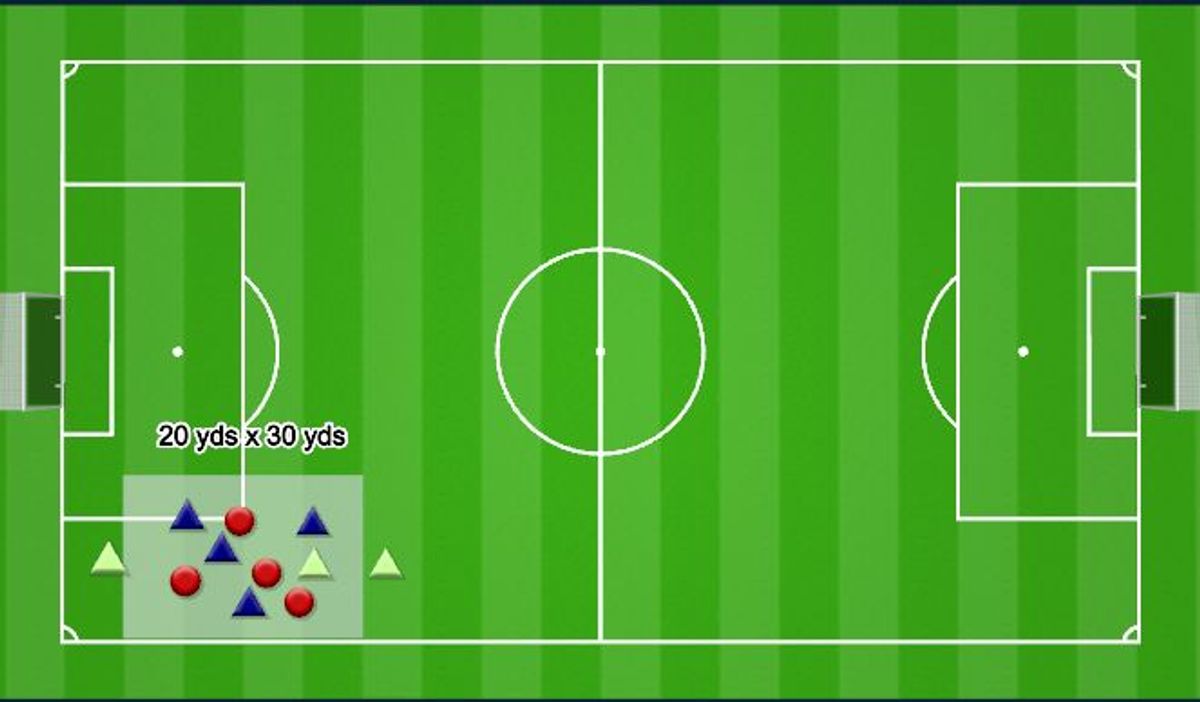
To truly appreciate the essence of rondo, we must acknowledge its role as a building block for teamwork and individual skill. Here’s a quick rundown of the basic setup:
- One or two players are designated as defenders, tasked with intercepting the ball.
- The remaining players form a circle or a grid, working together to keep the ball away from the defenders.
- The size of the playing area can be adjusted to increase difficulty or focus on specific skills.
Embracing the rudiments of rondo is crucial for any player looking to elevate their game. It’s not just about the drills; it’s about adopting a mindset that values possession, precision, and patience.
As we delve deeper into the nuances of rondo, we’ll explore various drills and scenarios that challenge our abilities and build our confidence on the ball. Remember, the key to escaping the rondo is not just physical prowess, but also mental sharpness and strategic thinking.
Advanced Techniques and Strategies
As we delve deeper into the Rondo, we recognize its potential to sharpen a player’s first touch, awareness, and speed of thought. These are not just skills but the foundation of a player’s soccer intelligence.
To elevate our Rondo practice, we focus on dynamic positioning and decision-making. Here’s a simple list to follow:
- Increase the difficulty with smaller spaces and fewer touches.
- Introduce variables like one-touch passing or directional play.
- Use time constraints to simulate match pressure.
By consistently challenging ourselves with these advanced techniques, we not only improve our technical abilities but also our mental agility.
Remember, the ultimate goal is to translate these drills into fluid match situations. With each session, we aim to make the transition from practice to game play seamless, enhancing our overall performance on the pitch.
Mental and Physical Benefits of Rondo Practice
We’ve all experienced the thrill of a well-executed rondo. Beyond the excitement, there are tangible benefits that impact both our mental and physical game. The repetition of quick and instinctive passes in rondos drastically improves our speed of play, allowing us to make decisions under pressure with greater ease. This not only sharpens our technical skills but also enhances our cognitive abilities, such as spatial awareness and anticipation.
Resilience is another key benefit. Rondo drills push us to maintain focus and composure even when fatigued, which translates to better performance during matches. Here’s a quick list of the mental and physical benefits we gain from regular rondo practice:
- Improved reaction time and decision-making
- Enhanced ball control and passing accuracy
- Greater stamina and endurance
- Boosted confidence and on-field communication
By integrating rondo into our training, we not only refine our technical prowess but also foster a stronger, more resilient mindset. It’s a holistic approach to soccer that prepares us for the challenges of the game, both mentally and physically.
Essential Gear for Soccer Rondo Enthusiasts
Choosing the Right Soccer Cleats
When we step onto the field, the cleats we choose become an extension of our skills. Having the right cleats is crucial for any soccer player, especially when practicing Rondo soccer drills. A pair that fits snugly enhances our control of the ball and provides the necessary support and comfort.
To ensure we make the best choice, here’s what we consider:
- Fit: The cleats should have a snug fit, leaving little to no room between the foot and the ball.
- Surface: The type of surface we’ll be playing on determines the cleat’s soleplate.
- Style of Play: Our individual style influences the cleat design that will complement our game.
- Support: Adequate support is essential to prevent injuries and maintain performance.
Investing in new soccer cleats is a considerable outlay, and aligning our choice with our style and game is pivotal.
Remember, the best type of soccer cleat is the one that meets your specific needs. Whether it’s for a casual game or a rigorous Rondo session, the right cleats can make a world of difference.
The Importance of Quality Soccer Balls
We often overlook the significance of a quality soccer ball, but it’s a pivotal element in Rondo practice. A well-crafted ball can greatly enhance our touch and the precision of our passes. The right soccer ball can make all the difference in developing our skills.
When selecting a soccer ball, we consider factors such as size, weight, and material. For instance, a size 5 ball is standard for adults, while younger players might use a size 4. The weight should be consistent with FIFA standards, and the material should be durable to withstand regular use. Here’s a quick guide to help you choose:
- Size 5: Standard for players aged 12 and above
- Size 4: For players aged 8 to 12 years
- Size 3: For children under 8 years
Durability is key, as a ball that retains its shape and air retention over time will provide a consistent experience during Rondo drills. Moreover, the texture of the ball affects grip and control, which are crucial for executing quick passes under pressure.
In our quest to master the Rondo, we must not underestimate the role of a quality soccer ball. It’s the centerpiece of every drill, and its characteristics can either hinder or enhance our performance.
Remember, the basic idea behind Rondo is to receive the ball away from pressure and to play quickly away from pressure. This requires a ball that responds well to our touch and doesn’t deviate unpredictably. A quality soccer ball ensures a quick tempo and a smooth flow, which are essential for effective Rondo practice.
Protective Equipment: Shin Guards and More
When we step onto the pitch, our safety is paramount. That’s why we always emphasize the importance of protective gear, especially shin guards. Choosing the right shin guards is crucial for both comfort and safety during intense rondo sessions. We’ve compiled a list of the best shin guards of 2024 to help you make an informed decision:
- Northdeer Shin Guards
- Franklin Superlight Shin Guards
- newox Youth Shin Guards
- Nike J Guard
- Noper Shin Guards
Beyond shin guards, we also consider other protective equipment like padded socks, ankle guards, and even mouthguards for those unexpected moments. Remember, the right gear can make all the difference in preventing injuries and ensuring that we can enjoy the game to its fullest.
As we push our limits in training, let’s not forget that the gear we choose is our first line of defense against potential injuries. It’s an investment in our passion for soccer and our commitment to the sport.
Training Drills to Master Soccer Rondo
Solo Drills: Improving Touch and Control
We’ve all experienced the challenge of keeping our skills sharp when we’re on our own. Solo drills are essential for developing the finesse and control that make a difference on the pitch. Start with simple juggling to get a feel for the ball’s weight and response. As you progress, introduce variations like using only your weaker foot, or alternating between your thigh and foot to keep the ball aloft.
Consistency is key in solo practice. Here’s a basic weekly routine to help you improve your touch and control:
- Monday: Juggling with alternating feet (20 mins)
- Tuesday: Dribbling through cones (15 mins), followed by targeted passing against a wall (15 mins)
- Wednesday: Rest day
- Thursday: Juggling with weaker foot only (20 mins)
- Friday: Ball control drills, such as receiving and turning (20 mins)
- Saturday: Speed dribbling (10 mins) and precision shooting (10 mins)
- Sunday: Review and practice any weak areas (30 mins)
Remember, the goal is to build muscle memory and a natural feel for the ball. Each touch should be deliberate and controlled, aiming for precision over power. This discipline will pay dividends when you’re back in the rondo circle, facing the dynamic challenges of the game.
Group Drills: Enhancing Team Coordination
In our quest to master soccer rondo, we’ve discovered that group drills are pivotal for enhancing team coordination. The synergy of movement and communication is what transforms a group of individual players into a cohesive unit. We focus on drills that require us to work together, often completing separate tasks that contribute to a common goal. This not only improves our communication but also our ability to anticipate each other’s moves.
- Start with basic passing patterns and gradually increase complexity.
- Introduce dynamic movements, such as overlaps and runs, to mimic game scenarios.
- Emphasize the importance of eye contact and verbal cues among players.
By consistently practicing these drills, we develop a deeper understanding of each other’s playing styles, which is crucial during high-pressure match situations. It’s about moving beyond individual skill and embracing the collective rhythm of the team.
Remember, the objective is not just to keep the ball away from the center player but to create goals as quickly as possible. This approach makes our sessions a test of skill, game knowledge, and team work. It’s a challenging yet rewarding aspect of our training that echoes the popular MOJO drills, which focus on team-based skills like communication.
Incorporating Rondo into Your Regular Training Regimen
We’ve all experienced the thrill of a well-executed rondo in practice, but the true challenge lies in seamlessly integrating these drills into our regular training regimen. Consistency is key; by dedicating a portion of each training session to rondo exercises, we ensure that the skills and reflexes honed during these drills become second nature.
To effectively incorporate rondo into our routine, we start with a clear plan. Here’s a simple weekly breakdown to get us started:
- Monday: Focus on basic rondo drills to warm up and build fundamental skills.
- Wednesday: Introduce more complex patterns and challenge the team with advanced variations.
- Friday: End the week with a high-intensity rondo session, simulating match conditions.
Variation in rondo drills is crucial to keep the sessions engaging and to cover different aspects of the game. We can draw inspiration from resources like ‘10 Rondo Soccer Drills‘ to keep our practices fresh and effective. Remember, the goal is to blend rondo seamlessly into our training, not to view it as a separate entity.
By regularly incorporating rondo into our training, we not only improve our technical abilities but also foster a stronger sense of team unity and tactical understanding.
Nutrition and Recovery for Soccer Players
Optimizing Your Diet for Performance
We understand the importance of nutrition in achieving peak performance on the soccer field. A high-carbohydrate (CHO) diet is recommended to maintain performance and the ability to perform high-intensity bouts. This means incorporating a variety of whole grains, fruits, and vegetables into our meals.
Protein is also crucial, especially at breakfast, to promote sustained fullness and muscle recovery. Foods like eggs and lean meats can provide the high-quality protein we need. Here’s a simple guide to what a soccer player’s plate should look like:
- 50-60% Carbohydrates: Whole grains, fruits, vegetables
- 20-30% Proteins: Lean meats, eggs, dairy products
- 20% Fats: Nuts, seeds, avocados
Remember, it’s not just about the quantity of the food but the quality. Opt for nutrient-dense options that fuel your body and support your training needs.
Hydration is another key aspect of our diet. We must ensure we’re drinking enough water before, during, and after training and matches to stay hydrated and perform at our best.
Recovery Techniques Post-Training and Matches
After an intense session of soccer rondo or a competitive match, we understand the importance of proper recovery to maintain peak performance. Cooling down with light exercises such as jogging or stretching is crucial to reduce muscle stiffness and promote blood circulation.
We also emphasize the significance of post-exercise nutrition. A balanced meal with proteins, carbohydrates, and fats aids in muscle repair and energy replenishment. Here’s a simple guide to what your post-training meal could include:
- Protein: Grilled chicken or tofu
- Carbohydrates: Brown rice or sweet potatoes
- Fats: Avocado or nuts
- Hydration: Water or electrolyte-rich sports drinks
Remember, the timing of your recovery meal is just as important as its content. Aim to eat within 45 minutes after your training session to maximize the benefits.
Additionally, we advocate for adequate sleep and rest days to allow the body to fully recover. Incorporating active recovery activities such as yoga or swimming can further enhance your body’s ability to bounce back and prepare for the next challenge.
Hydration Strategies for Soccer Athletes
We all understand the importance of hydration in soccer, as it’s crucial for maintaining peak performance on the field. Fluid intake recommendations are essential to keep our hydration levels optimal during a game or training session. As we engage in intense physical activity, our bodies lose water and electrolytes through sweat, which must be replenished to avoid dehydration and its associated risks.
Hydration is not just about drinking water; it’s about ensuring we consume the right fluids at the right times. Here’s a simple guideline we follow:
- Before activity: Drink 17-20 ounces of water 2-3 hours prior.
- During activity: Sip 7-10 ounces of water every 10-20 minutes.
- After activity: Rehydrate with 16-24 ounces of water for every pound lost.
Maintaining proper hydration levels is not just a game-day practice; it’s a daily habit that benefits our overall health and athletic performance.
Remember, the signs of dehydration can be subtle, but they significantly impact our ability to play. Keep an eye out for symptoms such as fatigue, dizziness, and dry mouth, and always have a hydration plan in place.
Learning from the Pros: Insights into Soccer Rondo
Analyzing Professional Players’ Rondo Sessions
We’ve all witnessed the mesmerizing flow of a professional soccer rondo session. The rapid exchange of passes, the tight control, and the seamless movement are not just a spectacle but a masterclass in skill and strategy. By dissecting these sessions, we can unlock a treasure trove of insights that can elevate our own game.
The key to a successful rondo lies in the details. Observing the positioning, timing, and decision-making of professional players provides us with a blueprint for improvement. It’s not just about keeping the ball away from the defenders; it’s about creating space, maintaining rhythm, and developing a keen sense of anticipation.
- Positioning: Always be in a place where you can receive and pass the ball with minimal adjustments.
- Timing: Know when to hold the ball and when to release it quickly.
- Decision-making: Choose the best option under pressure, whether it’s a simple pass or a daring move.
The beauty of rondo is that it teaches us to think one step ahead, to be proactive rather than reactive. This mindset is crucial not only in rondos but in the dynamic environment of a match.
By incorporating these observations into our practice, we can begin to mimic the fluidity and intelligence of the pros. Remember, it’s not about copying their style, but rather understanding the principles that make their rondos so effective.
Interviews with Coaches: Rondo in Match Preparation
We’ve had the privilege of speaking with several top coaches to understand how they integrate rondo into match preparation. The consensus is clear: rondo drills are essential for developing quick thinking and adaptability on the pitch. Coaches emphasize the importance of rondo for simulating match conditions, where players must constantly assess their surroundings and make rapid decisions.
Through these interviews, we’ve compiled a list of key benefits as identified by the coaches:
- Enhancing spatial awareness and player positioning
- Improving passing accuracy and ball control
- Encouraging creative play and improvisation
- Building team chemistry and communication
One coach mentioned, ‘Rondo isn’t just a drill, it’s a philosophy that embodies the fluidity and dynamism of soccer.’
Additionally, we discovered a valuable resource for coaches and players alike: the podcast ‘Coaching Soccer Weekly‘, which shares training sessions, interviews, and commentary from WORLD CLASS COACHING. This platform offers a wealth of knowledge that can be tapped into for enhancing rondo practice and overall game strategy.
Adapting Professional Tactics to Your Game
We’ve all marveled at the seamless play of professional soccer teams during rondo sessions. It’s not just about skill; it’s about understanding the game at a deeper level. To bring some of that expertise into our own game, we start by breaking down the tactics and analyzing the movements of top players.
One key aspect we’ve learned from the pros is the importance of positioning and movement without the ball. It’s not enough to be skilled with the ball at your feet; knowing where to be and when to move creates the space and opportunities that define a successful rondo.
Here’s a simple list to get started with adapting professional tactics:
- Observe and study professional rondo sessions.
- Practice the fundamentals relentlessly.
- Emulate the pros’ off-ball movement patterns.
- Focus on quick, improvised responses.
- Incorporate these tactics into regular training.
By consistently applying these strategies, we can elevate our rondo game significantly. It’s about making the right decisions quickly and keeping the ball under control, just as the pros do.
Remember, the goal is to make these professional tactics second nature. With dedication and practice, we can all push ourselves to new heights in our soccer journey.
Conclusion
Mastering the soccer rondo is not just about skillful footwork and quick passes; it’s about understanding the synergy between player and gear. As we’ve explored in this article, the right equipment, particularly the best soccer cleats and insoles of 2023, can significantly enhance your performance on the field. From the precision required in every dribble to the comfort needed to stay focused, every detail counts. Remember, your cleats and insoles are more than just accessories; they are your allies in every match. So, equip yourself with knowledge, select your gear wisely, and step onto the field with confidence, ready to embrace the beautiful game at its best.
Frequently Asked Questions
What is Soccer Rondo and how does it improve my game?
Soccer Rondo is a training exercise that involves a circle of players passing the ball around with one or more players in the middle trying to intercept. It improves ball control, passing accuracy, spatial awareness, and teamwork.
How do I choose the right soccer cleats for Rondo practice?
Select cleats that offer comfort, a good touch on the ball, and suitable traction for the surface you’re playing on. Consider cleats with a snug fit and enhanced ball control features for Rondo drills.
Are there specific soccer balls recommended for Rondo sessions?
While any quality soccer ball can be used for Rondo, choose one that is the appropriate size and weight for your age group and has a consistent touch and feel to improve your practice.
What protective gear should I consider for Rondo practice?
Shin guards are essential to protect your legs during intense Rondo sessions. Additionally, consider padded clothing to safeguard against falls or collisions.
How can I incorporate Rondo into my regular training regimen?
Start with short Rondo drills at the beginning or end of training sessions to warm up or cool down. Gradually increase the complexity and duration of the drills as your skills improve.
What nutrition and recovery strategies should I follow as a soccer player?
Maintain a balanced diet rich in carbohydrates, proteins, and healthy fats for energy and muscle repair. Stay hydrated and use recovery techniques like stretching, foam rolling, and adequate rest to recuperate post-training and matches.