
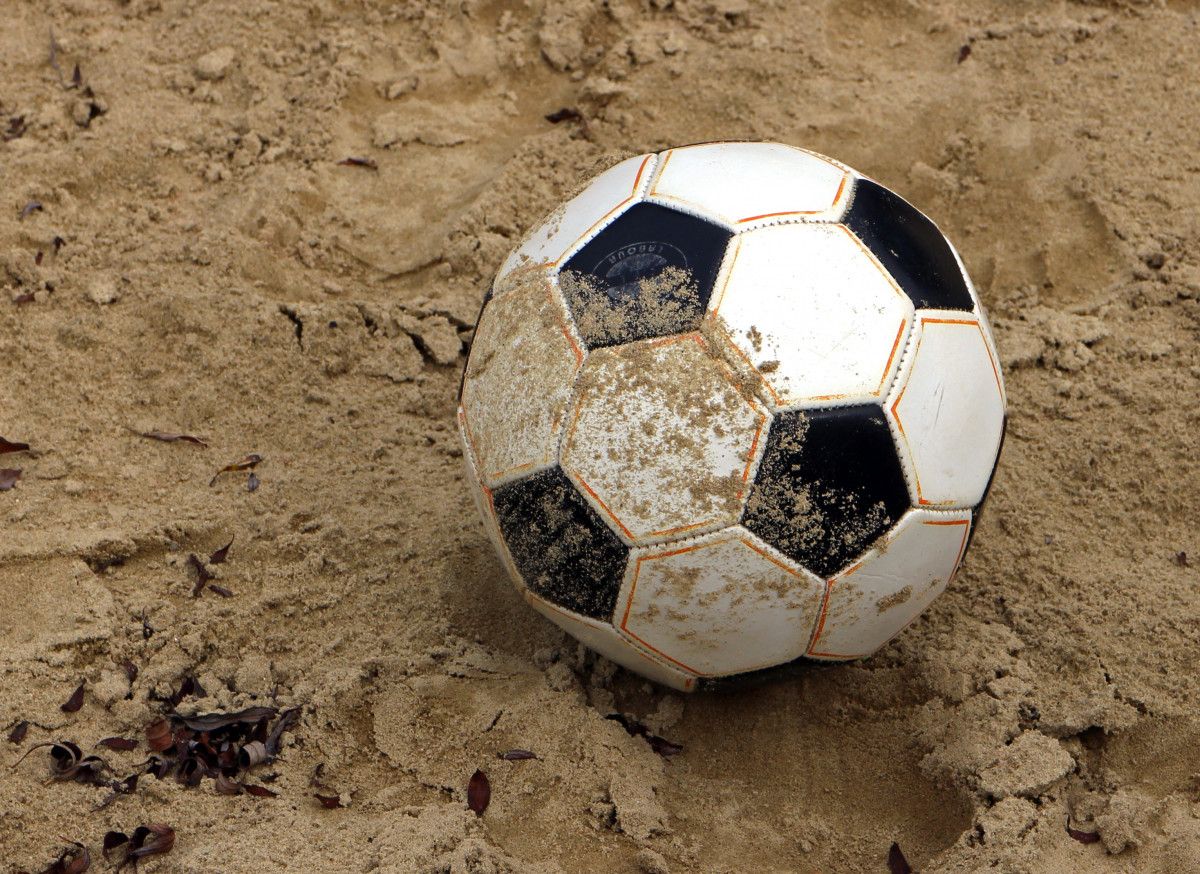
Welcome to ‘The Ultimate Guide to Soccer Equipment: What You Need for Every Level of Play,’ a comprehensive resource crafted by Soccer Rondo, your go-to blog for all things soccer. From beginner essentials to professional gear, and even futsal-specific equipment, this guide is designed to educate players on the necessary tools for enhancing their game at any level. Discover the latest equipment, tips, tricks, and insights to elevate your soccer experience, whether you’re just starting out or aiming for the pros.
Key Takeaways
- Beginners should focus on basic gear like the right soccer ball, comfortable cleats, and protective shin guards, while also utilizing training aids like cones and rebound nets.
- Intermediate players can benefit from specialized training equipment such as soccer tennis nets, quality training balls, and tools for position-specific skills.
- Professionals require high-performance gear, including specialized footwear, tools for game analysis, and nutrition accessories, along with self-promotion tools like a soccer CV.
- Futsal players need a different set of equipment, emphasizing the right type of balls and shoes, and protective gear that’s tailored to the indoor game.
- Maximizing training involves using advanced tools like rebound nets, biomechanics analysis, and leveraging technology such as fitness apps and multimedia resources for comprehensive development.
Essential Soccer Equipment for Beginners
Choosing the Right Soccer Ball
When we embark on the journey of soccer, the first piece of equipment we consider is the soccer ball. It’s not just about picking any ball; it’s about finding the one that suits our level of play and the conditions we’ll face. Choosing the right soccer ball is crucial for both skill development and enjoyment of the game.
For beginners, we recommend starting with a size 3 or 4 ball, as they are lighter and easier to control. As players grow and their skills improve, they can graduate to a size 5 ball, which is the standard for adults and professional play. It’s also important to consider the material; balls with a polyurethane (PU) cover offer durability and a better feel, which can enhance a player’s touch on the ball.
Remember, the ball you choose can significantly impact your learning curve and overall experience on the pitch.
Here’s a quick checklist to help you select the perfect soccer ball:
- Size appropriate for age and skill level
- Material suited for the playing surface
- Optimal weight for control and maneuverability
- Proper inflation for accurate performance
Lastly, with winter approaching, it’s worth looking into soccer balls designed for colder weather. According to SoccerWire, some of the top choices for winter soccer balls cater to youth soccer players of all ages, ensuring that the cold doesn’t hinder our game.
Selecting Comfortable and Durable Cleats
When we step onto the pitch, the cleats we choose can make all the difference. Comfort and durability are paramount, ensuring we can focus on the game without distraction. We’ve all heard the praise for Firm Ground Soccer Cleats
- they offer excellent grip and comfort, as noted in ‘The Best Soccer Cleats of 2024’ by Sports Illustrated.
But beyond grip, we must consider the fit. Wide soccer cleats are often recommended for the additional room and comfort they provide. For an even better fit, wide leather soccer cleats can mold to the shape of your foot, offering a personalized feel that synthetic materials can’t match.
Remember, the right cleats are not just about performance during the game, but also about preventing injuries and discomfort in the long run.
Outside of training, it’s crucial to care for our feet. Wearing barefoot shoes can help maintain foot health, ensuring we’re always ready to perform at our best. And when it comes to shin guards, it’s not one-size-fits-all. We should buy comfortable shin guards that suit our playing style, whether we prefer smaller, lightweight options or larger, more protective ones.
Protective Gear: Shin Guards and Goalkeeper Gloves
When we step onto the pitch, our safety is paramount. That’s why we always ensure we’re equipped with the right protective gear. Shin guards are a must-have, not just for beginners but for players at all levels. They shield our legs from potential injuries during tackles and collisions. It’s essential to buy comfortable shin guards that suit your playing style. Some of us prefer smaller, lighter guards for agility, while others opt for larger ones for maximum protection.
Goalkeeper gloves are another critical piece of equipment. They not only protect our hands but also enhance our grip on the ball, improving our performance between the posts. A good pair of gloves can make all the difference when it comes to making those game-saving catches.
Remember, the right gear can significantly reduce the risk of injury and improve your overall game experience. So, invest wisely in quality shin guards and goalkeeper gloves.
Here’s a quick checklist to help you choose the right protective gear:
- Ensure shin guards fit snugly and offer adequate coverage
- Look for goalkeeper gloves with good padding and grip
- Consider the level of breathability and comfort
- Check for durability and ease of maintenance
Training Essentials: Cones, Bibs, and Rebound Nets
As we delve into the world of soccer training, we understand the importance of having the right equipment. Rebound nets are a key component, offering a dynamic way to improve your game. These nets serve as a reliable partner for solo practice, returning the ball to you after each kick or throw.
Rebound nets elevate training sessions by providing a multitude of benefits:
- Improving Ball Control: They challenge players to refine their first touch and adapt to unpredictable ball movements.
- Enhancing Passing and Shooting Accuracy: Consistent practice against a rebound net helps in honing precision.
- Building Reflexes and Reaction Time: The fast-paced nature of soccer demands quick reflexes, which rebound nets help develop.
- Versatility in Training: Suitable for a variety of drills, they are invaluable for players looking to work on specific skills.
Investing in quality training equipment like rebound nets is not just about enhancing individual skills; it’s about elevating the entire team’s performance. As we strive for excellence, these tools become indispensable in our journey to become better soccer players.
Whether you’re a beginner or an experienced player, incorporating rebound nets into your training routine can lead to significant improvements on the field. So, why wait? Equip yourself with these essential tools and witness your game reach new heights.
Advanced Soccer Gear for Intermediate Players
Enhancing Footwork with Soccer Tennis and Ping Pong
We’ve discovered that incorporating games like soccer tennis and soccer ping pong into our training regimen offers a dynamic way to enhance our players’ footwork and technical skills. Playing soccer tennis not only hones our touch and ball control but also sharpens our reaction times. It’s perfect for warming up or organizing tournaments for a more competitive edge.
Similarly, soccer ping pong is an excellent tool for improving technique and overall gameplay. It’s a fun, engaging activity that can be used as a warm-up or for friendly competition among teammates. Both of these games encourage players to master the basic skills of soccer, such as passing, dribbling, and volleying, in a playful yet challenging environment.
By integrating these variations of soccer into our practice sessions, we create a more versatile and adaptable skill set for our players. This not only prepares them for the demands of the game but also keeps training sessions fresh and exciting.
Here’s a quick list of benefits we’ve observed:
- Enhanced touch and ball control
- Improved reaction times
- Better footwork and agility
- Increased competitiveness and team spirit
- Development of essential soccer skills in a fun setting
Investing in Quality Training Balls and a Ball Bag
We understand the importance of training with high-quality equipment to enhance the effectiveness of our practice sessions. Utilizing top-notch gear, such as NFHS-approved soccer balls, not only improves our skills but also maximizes our valuable training time.
To ensure our training is as efficient as possible, we invest in multiple soccer balls. This allows us to focus more on drills and less on retrieving balls, creating a more fluid training environment. A soccer ball bag is also essential for transporting these balls, making it easier to manage and organize our equipment.
Having a reliable ball pump is crucial. It ensures that our soccer balls are always at the perfect pressure for optimal performance.
Remember, the right equipment can make a significant difference in your development as a player. Here’s a quick checklist to keep in mind:
- Multiple training balls for continuous play
- A durable soccer ball bag for easy transport
- A dependable ball pump to maintain ball pressure
The Importance of a Reliable Ball Pump
We’ve all experienced the frustration of a soccer ball that’s lost its bounce right before a game. A reliable ball pump is crucial to ensure that our soccer balls are always at the perfect pressure for play. It’s not just about keeping the ball round; it’s about maintaining the integrity of the game.
- Always check the ball pressure before a match.
- Carry a pressure gauge to ensure accuracy.
- Use a pump to adjust the ball to the pressure standard.
Remember, a well-inflated ball can make all the difference in how it moves on the field and how players interact with it.
Investing in a quality ball pump may seem trivial, but it’s an investment in the quality of our training sessions and games. We make sure to follow the advice from the U.S. Soccer Learning Center: carry a pressure gauge and a pump to keep the balls within the pressure standard, especially before the game.
Specialized Equipment for Position-Specific Training
As we delve into the nuances of soccer, we recognize the importance of position-specific training. Midfielders, defenders, and strikers all require different skill sets, and the equipment we choose must reflect that. For instance, midfielders benefit from agility poles and speed hurdles to enhance their quick turns and sprints, while strikers might focus on goal target nets to perfect their shots.
To ensure comprehensive training, we’ve curated a selection of equipment tailored to each role on the field:
- Midfielders: Agility Ladder, Speed & Agility Set
- Defenders: Sled Harness, Field Markers
- Strikers: Goal Target Nets, Soccer Balls
It’s essential to train with quality equipment that mirrors the demands of your position. This not only improves the quality of your training sessions but also maximizes the limited time you have to hone your skills.
Moreover, our Soccer training equipment kit from FPRO™ is designed to elevate your game. The Ball Mastery Mat, coupled with our innovative APP, allows for smart, focused training. Remember, the right gear can be the difference between a good player and a great one.
Professional-Level Soccer Equipment
High-Performance Footwear: Indoor Soccer Shoes and Wide Cleats
When we step onto the pitch, we understand the importance of high-performance footwear. Indoor soccer shoes are designed for the fast-paced action on hard surfaces, offering better grip and control. For those with wider feet, finding the right fit is crucial for comfort and performance. Wide cleats provide the extra space needed to prevent cramping and blisters, ensuring you can focus on the game.
It’s essential to choose footwear that not only matches the playing surface but also fits the unique contours of your feet. This can make a significant difference in your playing experience.
Here’s a quick list of tips for selecting the best footwear:
- Look for shoes with a non-marking rubber sole for indoor play.
- Ensure the cleats have enough width for your feet.
- Consider materials; leather molds to your foot shape over time.
- Prioritize comfort and durability to withstand rigorous training.
Remember, the right footwear can elevate your game to the next level. Whether you’re dribbling through defenders or making that crucial pass, every touch counts.
Recording and Analyzing Games: Cameras and Software
We understand the importance of recording and analyzing our games to improve our performance. By capturing our matches, we can dissect our plays, understand our strengths, and identify areas for improvement. Pixellot offers a wide range of recording options, capturing soccer games from multiple angles and providing high-quality footage for analysis and review.
It’s not just about recording, but also about creating a comprehensive soccer CV. Compiling game footage into highlight reels alongside a detailed soccer resume can significantly boost your visibility to potential clubs.
Analyzing professional soccer games is equally crucial. We learn from the best by observing their techniques, decision-making, and tactical awareness. This practice helps us to elevate our own game by incorporating professional strategies and habits.
Here’s a simple checklist to ensure you’re fully equipped for game analysis:
- Invest in a reliable camera system like Pixellot
- Use software for detailed game analysis
- Create highlight videos for self-promotion
- Analyze games of professional players
- Develop a soccer CV to showcase your skills
Nutrition and Hydration Accessories for Optimal Performance
We understand the critical role that nutrition and hydration play in achieving peak performance on the soccer field. Proper fueling is essential, not just for maintaining energy levels, but also for recovery and overall health. To ensure you’re getting the right balance, consider these key points:
- Reload during the game and at halftime with carbs, electrolytes, and fluids to power you through the remaining game. A small snack can delay fatigue and help maintain focus.
- Sleep is a fundamental aspect of recovery. Optimizing your sleep schedule can significantly enhance your performance.
- Incorporating healthy snacks into your diet is crucial. Your body is a reflection of what you consume, so choose wisely.
Hydration is more than just drinking water; it’s understanding that foods can contribute to your hydration levels as well. Learn about what constitutes real hydration to keep your body in top condition.
Remember, the right accessories can make managing your nutrition and hydration simpler and more effective. Items like custom water bottles, electrolyte tablets, and portable snack containers are practical investments for any serious player.
Creating a Soccer CV: Tools for Self-Promotion
In our journey to professional soccer, we understand the importance of self-promotion. Creating a soccer CV is a crucial step in showcasing your skills and career achievements. This document serves as your professional soccer identity, highlighting your experience and potential to clubs and scouts.
To begin, we recommend organizing your playing history in a clear and concise manner. Use a template to create subheadings for each club or team you’ve played for, listing your role, club name, and location. Here’s a simple structure you can follow:
- Role: Starting Midfielder
- Club Name, Location: Gotham City FC, Gotham
Remember, your soccer CV should not only list your past teams but also include your personal statistics, any awards or recognitions, and references from coaches or mentors. It’s also beneficial to link to a highlight video that captures your best moments on the pitch.
As we guide you through the process, keep in mind that a well-crafted soccer CV can open doors to new opportunities and is an investment in your soccer career.
Futsal-Specific Equipment and Gear
The Essentials of Futsal: Appropriate Balls and Shoes
In our journey through the world of soccer, we recognize that futsal demands its own unique set of equipment. The most important piece of equipment is having the correct type of futsal ball, designed to accommodate the fast-paced and skill-intensive nature of the game. Unlike traditional soccer balls, futsal balls are smaller and have less bounce, which promotes better control and a faster game.
Equally crucial are the shoes. The right kind of futsal or indoor soccer shoes ensure players can maneuver with precision and agility on the court. These shoes typically feature a flat, non-marking rubber sole that provides both grip and flexibility, essential for the quick turns and rapid movements inherent to futsal.
While the game is less tactical than outdoor soccer, the emphasis on technical skill and ball mastery is paramount. This is why selecting the right equipment is not just a matter of comfort, but a significant contributor to performance enhancement.
Here’s a quick checklist of futsal essentials:
- Correct type of futsal ball (e.g., Franklin Sports Futsal Ball, SENDA Rio Match Futsal Ball)
- Appropriate futsal shoes
- Comfortable shin guards
- Proper training gear (socks, shorts, shirts)
Remember, the quality of your gear can have a direct impact on your ability to train effectively and perform at your best.
Protective Gear and Comfort: Shin Guards and Team Socks
When it comes to futsal, the right protective gear is essential for both safety and comfort. Choosing shin guards that match your playing style is crucial. Some players prefer smaller, lighter guards for greater mobility, while others opt for larger, more protective ones. It’s all about personal preference and the level of protection you require.
In addition to shin guards, the socks you wear can significantly impact your comfort on the court. Many players find that standard team socks can be restrictive or uncomfortable. We’ve discovered that investing in high-quality grip socks can make a world of difference. You can even customize your fit by cutting your team socks and wearing them over your preferred grip socks for an optimal combination of comfort and team uniformity.
- Buy comfortable shin guards that suit your playing style
- Consider cutting your team socks
- Invest in quality grip socks for better comfort and performance
Remember, the right gear not only protects you but also enhances your performance by allowing you to move freely and confidently on the court.
Training Gear: Apparel and Accessories for Futsal
When we delve into the world of futsal, we quickly realize the importance of specialized training gear. Unlike traditional soccer, futsal demands a unique set of apparel and accessories that cater to its fast-paced nature. Essential gear includes not only the futsal ball but also the appropriate attire for agility and comfort during play.
To ensure we’re fully equipped, we focus on the basics: comfortable and breathable jerseys, shorts, and socks that allow for maximum movement and sweat absorption. Grip socks are particularly crucial, providing the stability needed for quick turns and sprints. Additionally, training aids such as cones, agility poles, and field markers are indispensable for setting up drills that mimic the high-intensity environment of a futsal match.
It’s not just about having the right gear; it’s about integrating these tools into our regular practice to enhance our technical skills and tactical understanding.
While futsal can complement traditional soccer training, it’s essential to remember that it serves as a separate discipline with its own set of rules and strategies. Encouraging players to participate in local futsal leagues or pick-up games can significantly improve their ball control and technical abilities.
Goalkeeping in Futsal: Specialized Equipment
In futsal, the role of the goalkeeper is crucial, and having the right equipment can make all the difference. Goalkeepers must be equipped with gloves that offer both grip and protection to handle the smaller, heavier futsal ball. It’s essential to choose gloves specifically designed for futsal, as they differ from traditional soccer gloves in padding and fit.
Comfort is key when it comes to gear, so ensure that the goalkeeper’s attire is flexible and allows for quick movements. Here’s a list of specialized equipment every futsal goalkeeper should have:
- Futsal-specific goalkeeper gloves
- Padded goalkeeper shorts or pants
- Knee and elbow pads for protection during dives
- A jersey with padded elbows
Remember, the right equipment not only enhances performance but also minimizes the risk of injuries. Investing in quality gear tailored for futsal goalkeeping will pay off in the goalkeeper’s agility and safety on the court.
Maximizing Your Training with the Right Equipment
Utilizing Rebound Nets and Soccer Nets for Skill Improvement
We understand the importance of refining our skills, and that’s where rebound nets and soccer nets come into play. These tools are not just for practice; they are a bridge to superior performance on the pitch. Rebound nets, in particular, are invaluable for enhancing passing and shooting accuracy. They simulate real-game scenarios, allowing us to practice with the intensity and precision required during matches.
The versatility of rebound nets is unmatched. They can be used for a variety of drills, from shooting and passing to volleys and goalkeeper training. This makes them an essential component of our training arsenal. For instance, Goalrilla offers two types of soccer goal including the Striker Trainer soccer goal rebounder net and the Gamemaker soccer goal, which cater to different training needs.
By integrating rebound nets into our routine, we’re not just practicing; we’re evolving our game, building reflexes, and enhancing our reaction time to meet the demands of the fast-paced nature of soccer.
Here’s a quick rundown of the benefits of using rebound nets in our training sessions:
- Refinement of technique: Improve passing and shooting skills.
- Reaction time: Sharpen reflexes and anticipate the ball’s movement.
- Versatility: Suitable for individual and team drills.
- Convenience: Easy to set up and use in various environments.
In conclusion, incorporating these tools into our training is not just beneficial; it’s a strategic move towards excellence. As we continue to push our limits, the quality of our equipment will play a pivotal role in our journey to becoming better soccer players.
The Role of Biomechanics in Soccer Training
We understand that kicking is the defining action of soccer, and it’s crucial to delve into the biomechanics behind this skill. By focusing on the elasticity of our fascia and improving body control, we can optimize our training beyond traditional weightlifting methods.
To truly excel, we must embrace a holistic approach to training, incorporating not just physical but also mental and recovery aspects. This ensures a well-rounded development that’s essential for peak performance.
Listening to podcasts about training and biomechanics can be an invaluable resource. ‘The Art of Move’ is one such podcast that offers insights into essential training topics. Additionally, cross-training in other sports can enhance coordination and reduce injury risk, making it a beneficial part of our training regimen.
Here’s a quick list of training components we focus on:
- New dribbling, passing, and juggling techniques
- Physical strength and speed exercises
- Fundamental skills for beginners
- Mental training strategies
- Recovery sessions and stretches
Incorporating Technology: Apps and Wearables for Soccer Fitness
In our quest to maximize training efficiency, we’ve embraced the power of technology. Apps and wearables have become indispensable tools for soccer players at all levels. They offer a range of features from performance tracking to skill improvement exercises.
One standout example is the Techne Soccer Training App, which allows players to practice anytime, anywhere. It provides fresh soccer drills weekly and a comprehensive guide to self-improvement. The app’s tracking tools and Training Sock System help players visualize their progress, while leaderboards foster a sense of community and motivation.
With the CITYPLAY Smart Soccer Tracker for Cleats by Playermaker, athletes can track over 25 technical and physical metrics. This device, coupled with a 12-month access to the CITYPLAY Soccer Training App, offers a detailed analysis of a player’s performance.
Subscription models for these apps ensure that players can choose a plan that best fits their needs and goals. Here’s a quick look at the pricing for the Techne Soccer Training App:
- Monthly Membership: $37.99
- Annual Membership: $279.99
By integrating these technological advancements into daily practice, players can gain a competitive edge and achieve their soccer fitness goals more effectively.
Leveraging Multimedia Resources: Books, Documentaries, and Podcasts
In our quest to maximize training, we’ve discovered that multimedia resources are invaluable. Books offer deep dives into the strategies and mentalities of the greatest players, providing insights that can transform our approach to the game. Documentaries, on the other hand, give us a behind-the-scenes look at the sport’s most iconic moments and figures.
Podcasts have become a staple for staying updated and learning on the go. They cover a wide range of topics, from training and biomechanics to interviews with soccer legends. Here’s a quick list of some of the best soccer podcasts in 2024:
- The Game Football Podcast
- Men In Blazers
- Sunday Supplement
- ESPN FC
- The Totally Football Show with James Richardson
- The Gary Neville Podcast
Embracing these resources can significantly enhance our understanding of soccer, providing us with a richer, more nuanced appreciation of the beautiful game.
Conclusion
As we’ve explored throughout this ultimate guide, the right soccer equipment can make a significant difference in your performance and enjoyment of the game, no matter your level of play. From the essential gear for futsal to the various training tools that enhance your skills, each item serves a purpose in your soccer journey. Remember to stay hydrated, protect yourself, and invest in quality equipment that suits your playing style. Whether you’re a beginner or an aspiring professional, taking the time to select the right equipment is an investment in your soccer dreams. Keep training, stay passionate, and let Soccer Rondo be your guide to navigating the vast world of soccer equipment.
Frequently Asked Questions
What basic equipment do I need to start playing soccer?
To start playing soccer, you’ll need a soccer ball, a pair of comfortable and durable cleats, shin guards, and appropriate athletic clothing. For goalkeepers, gloves are also essential.
How do I choose the right soccer ball?
Choose a soccer ball based on the size and weight appropriate for your age group. Beginners should look for a durable ball suitable for practice and rough surfaces.
Are shin guards really necessary for soccer?
Yes, shin guards are crucial to protect your legs from injuries during play. They’re mandatory equipment in most leagues.
What additional gear might I need as an intermediate soccer player?
Intermediate players should consider investing in quality training balls, a ball bag for transport, a reliable ball pump, and specialized equipment for position-specific training.
What is the difference between regular soccer cleats and futsal shoes?
Regular soccer cleats are designed for outdoor fields and have studs to provide traction on grass or turf. Futsal shoes are for indoor use, with a flat outsole for grip on flat surfaces.
How can I improve my soccer skills at home?
You can improve your soccer skills at home by practicing with a soccer ball, using rebound nets for passing and shooting, playing soccer tennis or ping pong to enhance footwork, and engaging with multimedia resources like books, documentaries, and podcasts.